Ahead of Party Congress, farmers call for looser rules to unlock agricultural growth
VOV.VN - As Vietnam prepares for the 14th National Party Congress, farmers and agribusinesses in the Southeastern region, the country’s key agricultural hub, are voicing hopes for policy reforms to ease administrative hurdles, improve access to finance and accelerate digital infrastructure.
Producers say Vietnam’s agriculture has shown strong potential to move up the global value chain, but outdated procedures and rigid regulations continue to limit expansion, particularly for small businesses and cooperatives seeking to scale up.
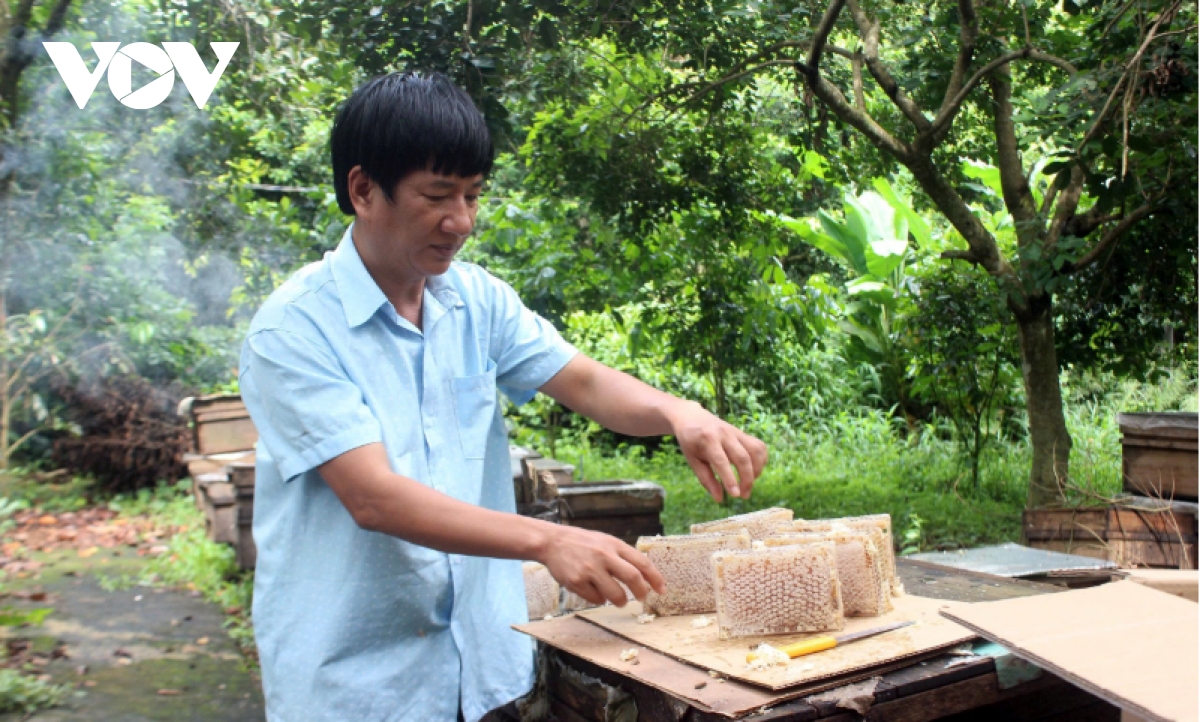
Beekeeper Le Loc Quan says exporters urgently need better access to credit and modern equipment to optimise production and meet international standards
In Dong Nai province, a centre for high-tech agriculture, beekeeper Le Loc Quan has successfully exported honeycomb products to demanding markets such as the Republic of Korea and Europe. Yet, he says turning a household operation into a full-fledged export business remains difficult without targeted policy support.
Exporters urgently need better access to credit and modern equipment to optimise production and meet international standards, he says, calling for more practical incentives tailored to farmers.
Similar concerns are shared by larger agribusinesses. Pham Quoc Liem, chief executive of Unifarm, an agricultural company operating in Ho Chi Minh City, says Vietnam could become a global leader in durian and banana exports if it invested more heavily in science and technology, especially plant breeding.
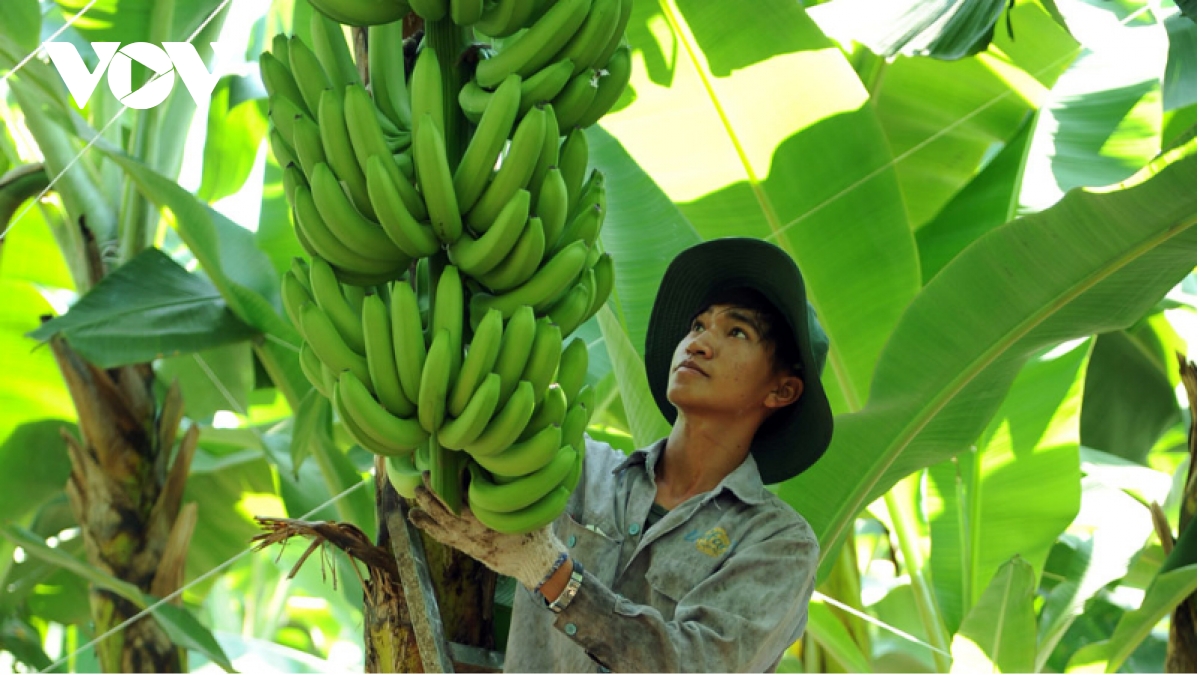
The new variety of banana developed by Unifarm has a resistance rate of up to 98%, but commercialisation has been delayed by lengthy and complex approval procedures for plant variety protection
According to Liem, Unifarm has developed a banana variety resistant to Panama disease, a fungal infection that causes billions of dollars in losses worldwide. The variety has a resistance rate of up to 98%, but Liem points out commercialisation has been delayed by lengthy and complex approval procedures for plant variety protection.
Under current regulations, registering and certifying a new crop variety can take up to two years, and some testing requirements are difficult to meet due to limited accredited facilities. As a result, businesses risk losing competitive advantages even with proven innovations, he confides.
Beyond procedures, access to capital and digital infrastructure remains a major constraint for collective economic models such as cooperatives.
In Dong Nai, the Suoi Cat Cocoa Agricultural Cooperative manages a 100-hectare production area with around 100 members, generating annual incomes of VND500 million to VND800 million per hectare after securing contracts with major buyers and building a recognised brand in Asia. However, its plans to expand into agri-tourism have stalled due to limited funding.
Cooperatives need stronger support in financing, agricultural inputs, seedlings and technology transfer to help farmers adopt new methods and scale up production, says Truong Van My, director of the cooperative.
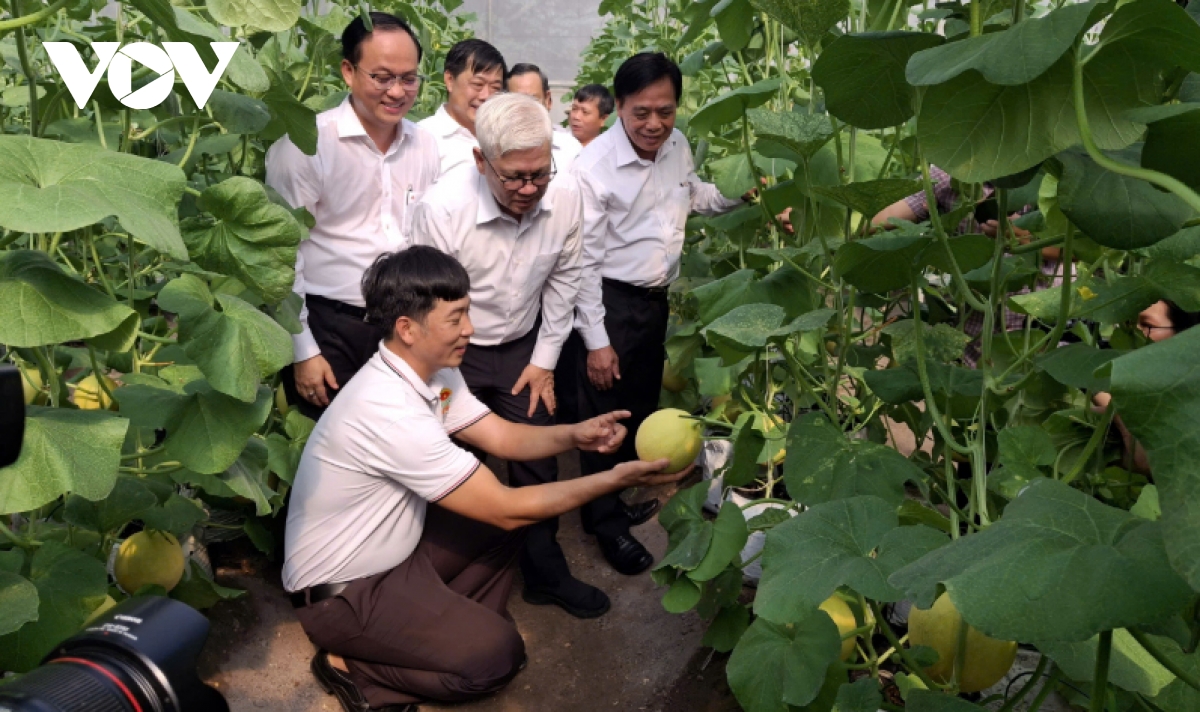
Farmers expect further policy reforms to ease administrative hurdles, improve access to finance and accelerate digital infrastructure
In neighbouring areas, farmers also point to difficulties in securing bank loans. Nguyen Hong Quyet, head of a high-tech agricultural cooperative in Phu Giao, notes banks typically value only agricultural land as collateral, while high-cost assets such as greenhouses and smart irrigation systems are excluded, forcing farmers to rely on higher-interest commercial loans.
Weak telecommunications infrastructure in rural areas is another barrier, limiting the adoption of digital tools for production management, traceability and market access, he says.
From the perspective of farmers and businesses, expectations are high that the upcoming Party Congress will introduce more flexible policies, cut red tape and unlock domestic constraints. With global markets increasingly open to Vietnamese agricultural products, they say institutional reform at home will be key to helping the sector seize opportunities and achieve sustainable growth.
VOV.VN - Circular economy in agriculture is increasingly recognised as a vital approach to building a modern, sustainable sector that maximises value, reduces costs, and minimises environmental impacts.
VOV.VN - The Dak Lak provincial Department of Industry and Trade, in coordination with the Vietnam Trade Promotion Agency recently hosted a trade exchange programme for a delegation of foreign enterprises to the Central Highlands to explore sourcing and purchasing opportunities for local agricultural products.
VOV.VN - Asia continues to be the largest market for Vietnam’s agricultural exports, with shipments of coffee, fruits and vegetables, cashew nuts and pepper hitting all-time highs in the January – November period this year. according to the Ministry of Agriculture and Environment.









.JPG&w=640&q=100)








Bình luận
Bình luận của bạn sẽ được xét duyệt trước khi đăng