Middle East tensions drive up logistics costs, pressure farm and seafood exports
VOV.VN - Geopolitical tensions in the Middle East are disrupting shipping routes along the Asia–Europe corridor, driving up logistics costs and increasing supply chain risks, creating significant pressure on Vietnam’s agricultural and seafood exports.
Middle East an important market for Vietnam’s farm exports
Rising logistics costs and supply chain risks linked to Middle East tensions are putting pressure on Vietnam’s agricultural and seafood exports
According to the Ministry of Agriculture and Environment, the Middle East has strong demand for imported food and is becoming an increasingly important market for Vietnamese agricultural products.
In 2025, Vietnam’s agricultural exports to the region reached around US$1.2 billion, up 22.5% from 2024. The United Arab Emirates alone accounted for more than US$445 million, rising nearly 24%, with key products including cashew nuts, pepper, rice and fruits and vegetables.
In the seafood sector, the Vietnam Association of Seafood Exporters and Producers (VASEP) reported that exports to the Middle East totaled US$401 million in 2025, up 9.6% year on year and nearly double the figure recorded in 2020.
Pangasius was the largest export item at US$175.9 million, followed by tuna at about US$94.4 million and shrimp at over US$54 million. Pangasius and tuna together accounted for roughly 70% of Vietnam’s seafood exports to the region.
Beyond seafood, the Middle East is also a major market for Vietnamese pepper, spices, cashews and fruits.
According to Le Viet Anh, secretary general of the Vietnam Pepper and Spice Association, the region accounts for about 15% of Vietnam’s total pepper and spice exports, equivalent to 35,000–40,000 tonnes annually.
Vietnamese cashew exports are also shipped to markets such as Israel, Jordan and Turkey, largely through the Suez Canal and Red Sea shipping corridor.
As the Middle East accounts for a growing share of Vietnam’s export markets, geopolitical instability in the region not only affects consumption but also impacts the international transport network on which many agricultural and seafood industries rely.
According to VASEP, the most immediate impact on the seafood sector has been rising shipping costs as some carriers limit voyages through high-risk areas.
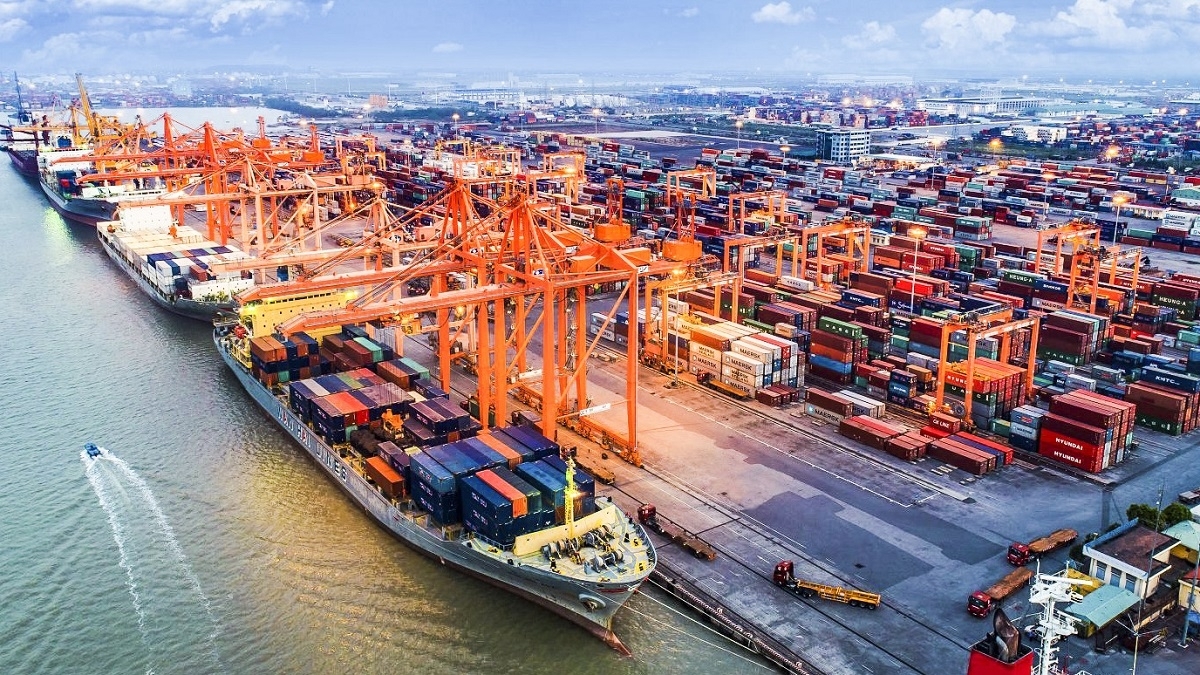
Many vessels are now rerouting via the Cape of Good Hope instead of the Red Sea – Suez Canal route. This detour adds 7–14 days to transit times, increasing fuel costs and causing shortages of containers, particularly refrigerated containers used for seafood exports.
Freight rates on the Asia–Dubai route have nearly doubled, while war-risk surcharges have risen to US$1,500–4,000 per container.
For seafood exporters, these costs directly raise production expenses. Since export contracts are often signed in advance, companies have limited flexibility to adjust prices.
VASEP warned that the biggest risks include potential disruptions to the cold chain, shortages of refrigerated containers and delayed deliveries, which could lead to contract violations.
The tuna industry faces additional pressure as rising oil prices push up fishing costs. Raw tuna prices in Bangkok are currently fluctuating between US$1,500 and US$1,700 per tonne, with an upward trend as supply tightens.
These increases are raising processing and export costs, reducing profit margins for businesses.
The impact extends beyond seafood. The Middle East lies along key maritime routes linking Asia with Europe and North Africa, meaning disruptions to shipping corridors are affecting many of Vietnam’s major export commodities.
Products such as tuna, pepper, cashews and fresh fruits are all facing higher logistics, insurance and delivery costs, particularly for contracts with fixed prices and delivery schedules.
Diversifying markets to reduce risks
Tran Gia Long, deputy director of the Planning and Finance Department at the Ministry of Agriculture and Environment, the ministry has developed preliminary scenarios to assess the impact of Middle East tensions on Vietnam’s agricultural, forestry and fisheries exports.
If the conflict lasts about one month, total export turnover for the sector could fall by around US$1 billion. If tensions persist for three months, losses could reach US$3–3.5 billion.
Exports to the Middle East alone could decline by US$500–600 million, while shipments to Europe could drop by US$1–1.6 billion and exports to North Africa could fall by US$200–250 million.
Should tensions continue longer, exports to the Middle East could face intermittent disruptions, while exports to Europe and North Africa could decline by up to 50%.
The ministry said it would closely monitor developments while preparing plans to adjust export structures and diversify markets to minimise risks.
Meanwhile, VASEP recommended that seafood exporters closely monitor shipping conditions, fuel prices and maritime insurance policies.
Companies should proactively coordinate with partners and shipping lines to adjust delivery schedules, prepare alternative transport options, review contract terms, secure adequate insurance coverage and diversify export markets to mitigate risks.
VOV.VN - Geopolitical tensions in the Middle East are pushing up oil prices and maritime freight rates, increasing cost pressure on businesses, particularly exporters and manufacturers that rely heavily on logistics and imported inputs.
VOV.VN - A liquefied natural gas (LNG) carrier transporting about 63,000 tonnes of fuel from the Middle East arrived at Vietnam’s Thi Vai LNG terminal on March 10, helping strengthen the country’s energy supply amid rising demand.
VOV.VN - Tensions in the Middle East are pushing global oil prices and energy costs higher, adding pressure on inflation, exchange rates and production costs. In that context, many Vietnamese businesses, particularly in fuel-intensive industries, export sectors and aviation, could face greater financial strain.
VOV.VN - Vietnam has not recorded any damage to export shipments to Israel despite rising military tensions in the Middle East, according to officials at a trade promotion conference held in Hanoi on March 12.








.JPG&w=640&q=100)









Bình luận
Bình luận của bạn sẽ được xét duyệt trước khi đăng