Private sector participation in supply chains - Key to sustainable export growth
VOV.VN - To achieve sustainable export growth, Vietnam must boost the role of domestic private enterprises in supply chains to leverage opportunities from multinational corporations and reduce reliance on foreign direct investment (FDI ) businesses.
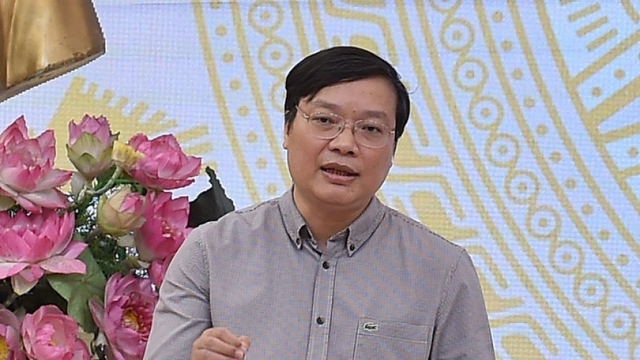
The private sector is encouraged to engage deeply in supply chains to leverageopportunities from multinational corporations and reduce reliance on foreign direct investment (FDI) enterprises
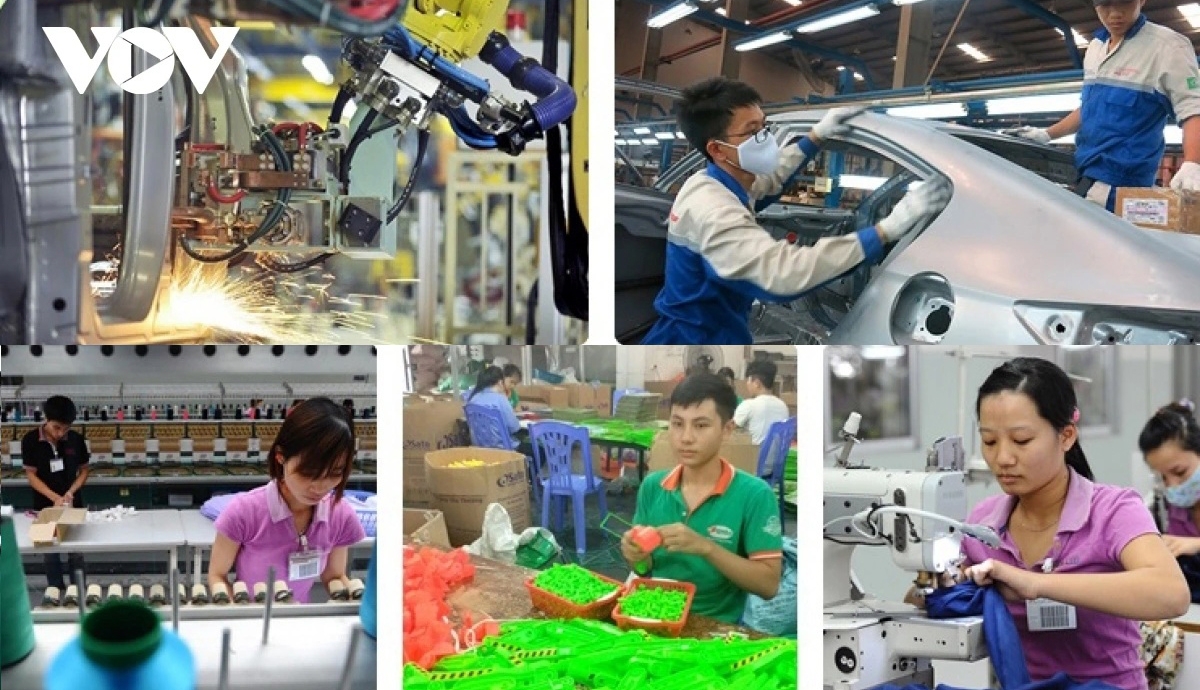
Vietnam’s import-export activities have seen strong growth over the past decade, maintaining a trade surplus for more than ten consecutive years. However, most export value continues to come from FDI enterprises, and their share has been steadily increasing.
Previously, the export ratio of 70/30 (with 70% of the value generated by FDI enterprises and the remaining 30% by domestic enterprises) already reflected a significant gap. Today, this gap has steadily widened. Statistics show FDI enterprises accounted for 72.9% of Vietnam’s total export earnings in 2021; 74.4% in 2022; over 73% in 2023; and over 71% in 2024. In the first 11 months of 2025, their share rose to more than 76%.
Dau Anh Tuan, deputy secretary general of the Vietnam Chamber of Commerce and Industry (VCCI), noted that although export turnover has grown strongly, domestic private enterprises still make a relatively modest contribution compared to their potential.
“While FDI is crucial, the rapid exit of foreign investors poses risks to export stability. The strength of the national economy heavily depends on the health and resilience of domestic private enterprises,” he said.
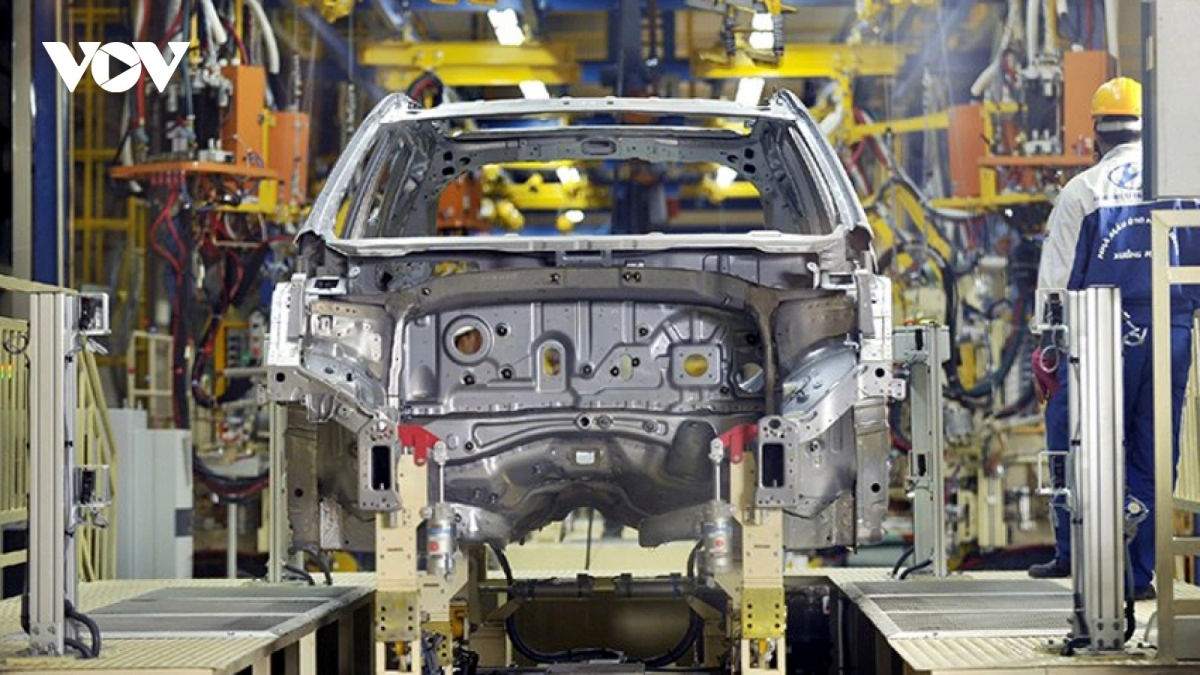
While the export structure has shifted toward high-value, high-tech goods such as electronics, computers, textiles, and footwear, FDI enterprises dominate high-tech production. Domestic enterprises have yet to fully integrate into multinational supply chains.
Participating in multinational corporations' supply chains help private businesses improve their competitive capacity
According to Dr. Vo Tri Thanh, director of the Institute for Brand and Competitiveness Strategy, Vietnam needs comprehensive research and statistics on export structure, investment, supply chains, high-tech sectors, and strategic products.
“When small and medium-sized enterprises participate in supply chains, for example supplying products to corporations like Samsung, they are indirectly contributing to exports, adding value to the national economy and enhancing domestic competitiveness,” he told VOV.
Promoting the participation of domestic private enterprises in the supply chains of FDI enterprises and multinational corporations is a crucial solution for sustainable export growth. Dr. To Hoai Nam, secretary general and chairman of the Vietnam Association of Small and Medium Enterprises, further emphasised that this effort must be aligned with Vietnam’s economic strengths.
“Domestic private enterprises must be developed based on the country’s economic strengths and supported by a policy ecosystem that enhances autonomous production capacity, he said.
“Currently, Vietnam’s export challenges include low profit margins, reliance on imported inputs, and underutilised strengths in sectors such as agriculture and tourism services. Integrating private enterprises into supply chains will allow benefits to ripple across multiple sectors while increasing export value.”
In addition, logistics infrastructure remains a challenge. Tran Tien Dung, vice president of the Vietnam Logistics Business Association, highlighted that Vietnam’s participation in international shipping is still limited, largely dependent on foreign fleets. He called for government and industry policies to encourage private enterprises to invest more deeply in logistics, expand container shipping fleets, and develop supporting industries such as shipbuilding, mechanical production, and technology.
Vietnam is approaching the top 15 economies in terms of trade volume. Diversifying export markets to leverage free trade agreements, enhancing domestic private enterprises’ capacity to meet global standards, and developing supporting industries are key strategies to reduce dependence on FDI, increase value-added exports, and ensure long-term sustainable growth.
Promoting the private sector’s role in supply chains is not only a strategic solution but also a necessary step for Vietnam to build a self-reliant, stable, and sustainable economy in the long term.
VOV.VN - The Asia Fashion Show 2025 (AFS) opened in Ho Chi Minh City on December 5, bringing together more than 200 companies and industry associations from Vietnam, China, Thailand, Malaysia, India and the Republic of Korea.
VOV.VN - The European Union (EU) is issuing and preparing to enforce new regulations on supply chain due diligence to closely monitor risks related to human rights and the environment.
VOV.VN - The Ministry of Industry and Trade (MoIT) will convene the third Vietnam Digital Industry and Trade Summit 2025 on December 3 in Hanoi, focusing on three key priorities: full digitalization of production and trade supply chains, broad application of emerging technologies, and promotion of green transformation in energy, logistics, and e-commerce.
VOV.VN - The Korea Overseas Resources & Energy Industry Association (K-RESOURCES) on December 2 announced that it had held the inaugural meeting of the “Vietnam Mining Investment Consultative Mechanism” in Seoul.







.JPG&w=640&q=100)






Bình luận
Bình luận của bạn sẽ được xét duyệt trước khi đăng