Resolution 20 opens new growth space for Vietnam’s coastal cities
VOV.VN - The Politburo’s Resolution 20 sets out a new direction for coastal urban development, promoting modern, smart and climate-resilient cities and opening up new growth potential in ports, logistics, tourism, industry and technology.
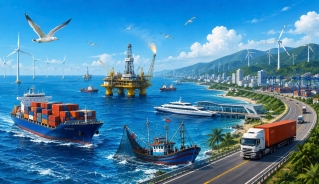
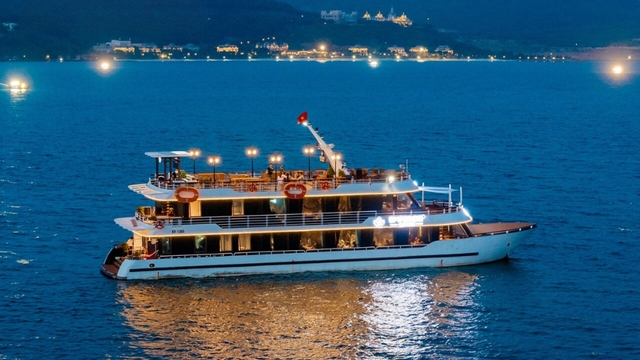
Politburo Resolution 20 sets a new direction for Vietnam’s coastal cities, linking urban growth with maritime economy, technology and sustainability. (Illustrative image)
Resolution 20-NQ/TW, adopted by the 14th Party Central Committee on July 28, 2026, on building and developing Vietnam into a strong maritime nation, emphasises the need to expand urban development toward the sea and building a modern, smart and climate-resilient coastal urban system.
The direction is particularly significant given Vietnam’s considerable advantages in the marine economy. Located along the East Sea, an important maritime route directly connecting to the Pacific Ocean, the country is well positioned to develop maritime industries, logistics, renewable energy and coastal tourism, strengthening its geoeconomic position and broadening its growth space.
In this context, coastal urban development is emerging as a trend in many localities, creating new momentum for economic growth and urbanisation along the country's coastline.
Dr. Nguyen Van Dinh, chairman of the Vietnam Association of Realtors, says coastal urban planning and development in Vietnam have made clear progress.
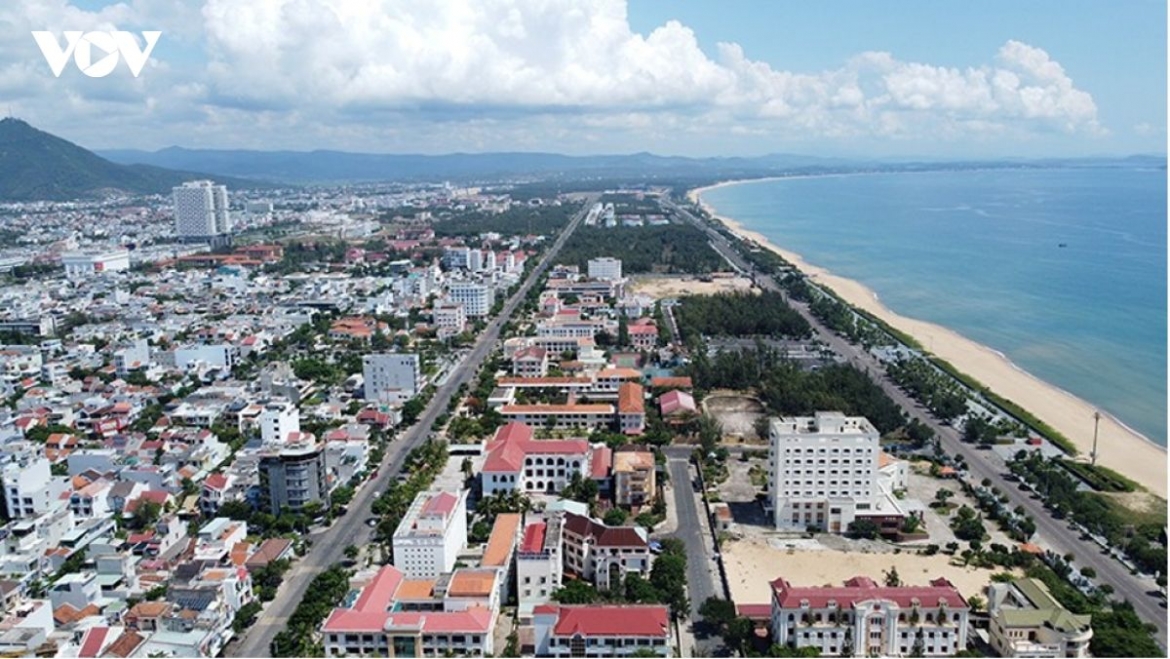
Da Nang is one example, combining tourism and services with coastal living spaces to build its image as a “livable city” and make tourism a key economic pillar.
In Khanh Hoa province, the Nha Trang-Bac Van Phong area also has potential to develop a large-scale ecosystem of coastal, island and eco-friendly cities, with a view to becoming a national and international tourism hub.
The appeal of coastal cities is further strengthened by large-scale, well-planned projects. Integrated resorts featuring golf courses, marinas, shopping centers and high-end amenities can attract high-spending tourists while enhancing the image of destinations.
Phu Quoc is a notable example. Once a small fishing village, the island has developed into one of Vietnam’s leading tourism destinations.
According to Dr. Dinh, who is also vice chairman of the Vietnam National Real Estate Association (VNREA), coastal urban development generates not only revenue from tourism and services but also spillover effects across trade, real estate, transport and logistics, while creating additional employment.
Hai Phong: From port city to new economic space
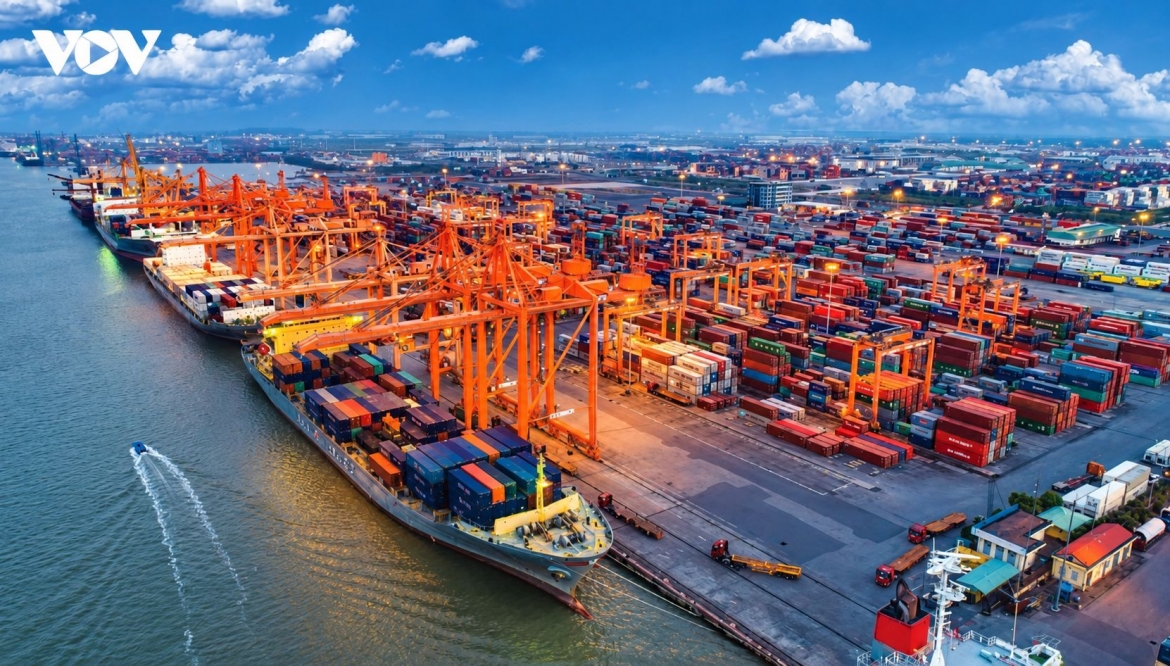
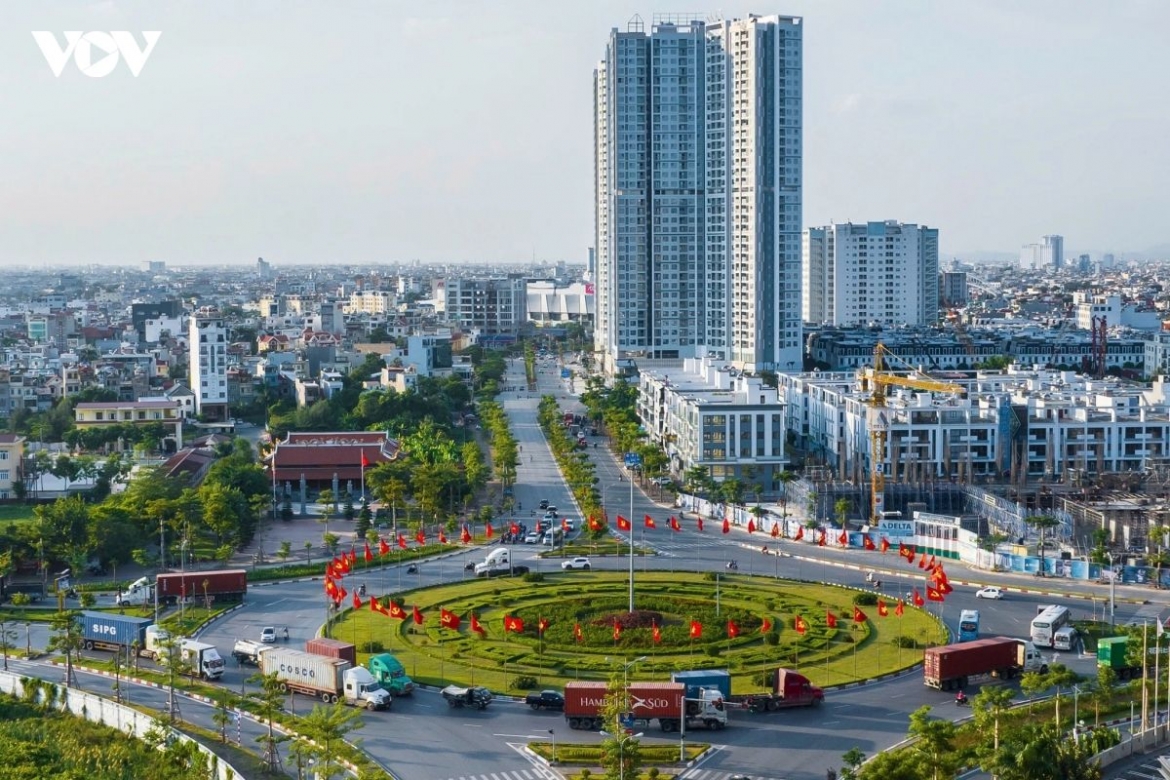
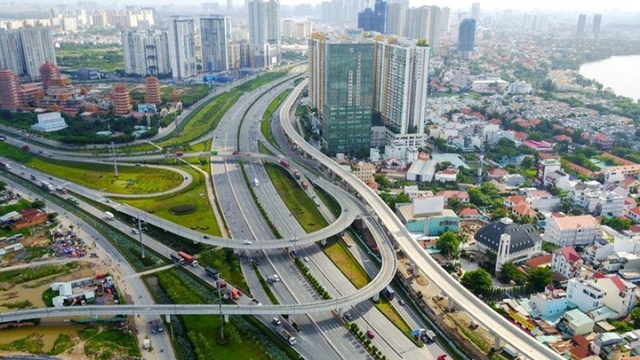
A corner of Hai Phong port city in northern Vietnam
As a major port city in northern Vietnam, Hai Phong has a strong foundation in seaport infrastructure, logistics services, industry and specialised training in maritime and marine economic sectors.
Following the administrative restructuring, Hai Phong has an economy worth nearly US$30 billion, ranking third nationwide, and has maintained double-digit growth for 11 consecutive years, reinforcing its role as a major growth pole in the northern coastal region.
At the ceremony announcing the 2025 Free Trade Agreement Implementation Index (FTA Index), organised by the Ministry of Industry and Trade on August 18, Hai Phong scored 35.62 out of 40 points, placing it among the country's five leading localities. The result further underscores the port city's position in international integration, investment attraction and trade promotion.
Hai Phong’s advantage stems from both its role as the northern gateway to the sea and its strong links to global supply chains. With a large maritime area, an expanding port system and increasingly integrated logistics infrastructure, the city is well positioned to apply technologies such as artificial intelligence (AI), 5G, digital twins, the Internet of Things (IoT) and unmanned aerial vehicles (UAVs) to urban management, logistics, production and business activities.
Alongside transport infrastructure, Hai Phong’s digital infrastructure is also being upgraded through broadband connectivity, data centres and an intelligent operations centre (IOC). The city ranked third nationwide in the 2025 Provincial Digital Transformation Index (DTI).
The city is also implementing a smart urban development plan, gradually shaping a data- and technology-driven urban model. Its innovation ecosystem has continued to grow, helping Hai Phong rank fourth nationwide in the Provincial Innovation Index (PII) and become the fourth Vietnamese locality to enter the global top 1,000 cities with innovation ecosystems.
Hoang Minh Cuong, vice chairman of the Hai Phong municipal People’s Committee, says the city is pursuing not only rapid growth but also sustainable and high-quality development, underscoring its responsibility as a national growth pole.
During a visit and working session with Hai Phong leaders, a delegation of US businesses and investors led by Patrick Sweeney, founder and representative of American Kestrel Global Strategies Group, described the city as an attractive investment destination, citing its impressive infrastructure and socioeconomic development.
Members of the delegation spoke highly of the city's increasingly open and flexible business environment, which they agreed provides a foundation for US corporations to establish long-term partnerships and optimise global supply chains, particularly in seaports, logistics, clean energy, petrochemicals, aviation and finance, as well as through incentive mechanisms offered by the Free Trade Zone (FTZ).
Assessing the Hai Phong FTZ, Shantanu Chakraborty, Country Director of the Asian Development Bank (ADB) in Vietnam, notes its greatest value lies not only in preferential mechanisms but also in its potential to establish a modern, transparent, integrated and digitalised economic governance model while strengthening links between the FDI sector and domestic businesses.
If implemented effectively, the Hai Phong FTZ could help shorten cargo transit times, increase domestic value added, promote technology transfer and strengthen the capacity of Vietnamese enterprises.
International experience and the sustainability imperative
Coastal urban development: Building livable and sustainable spaces
International experience shows that coastal urban and marine economic development can become a major growth engine when underpinned by sound planning, infrastructure and sectors in which a locality has competitive advantages.
Singapore has effectively leveraged its maritime space and port system to develop into a regional economic, financial and logistics hub. Dubai has combined its coastal advantages with infrastructure, tourism and services to build an international economic centre, while Thailand has capitalised on its marine tourism strengths to attract international visitors.
These experiences offer useful references for Vietnam as it organises development space, invests in infrastructure and connects marine economic sectors in ways suited to the conditions of individual localities.
However, Dr. Dinh stresses that coastal urban development needs to be guided by comprehensive, long-term and inter-regional planning, avoiding rushed or fragmented development. Integrated connectivity is equally important to maximise the benefits of coastal development and ease pressure on the environment.
Economic development must go hand in hand with environmental and social safeguards, following the principle of not sacrificing the environment for economic gains. This includes protecting landscapes and marine biodiversity, maintaining coastal ecological corridors, and ensuring effective waste and wastewater treatment systems.
A sustainable approach to coastal development also means embracing green and circular economic models, prioritising high technology and clean energy, and promoting environmentally friendly industries such as green shipbuilding and high-tech seafood processing.
Effective marine resource management also requires mechanisms for sharing the benefits of development with local communities. Coastal residents can play a greater role in marine environmental protection, with local communities benefiting from tourism and other marine economic activities.
Proactive measures to address climate change and natural disasters are equally important. Investment is needed in sea dikes, breakwaters and resilient infrastructure, including water supply and drainage, waste collection and disaster warning systems, to adapt to rising sea levels and increasingly extreme weather.
“With its exceptional natural advantages and strategic geoeconomic position, Vietnam is facing a major opportunity to make the marine economy one of the important engines of growth in the coming decades,” Dr. Dinh says.
Seen from this broader perspective, coastal tourism and modern coastal cities can provide a foundation for development, generating economic value, enhancing Vietnam’s image and helping transform the country from a destination rich in potential into a dynamic regional hub for tourism and the marine economy.
VOV.VN - Resolution 20 adopted recently by the Politburo marks a major shift in Vietnam’s development strategy, moving beyond marine economic growth to build a strong maritime nation, with the sea positioned as a strategic space, a key growth driver and a pillar of national strength in a new era of development.
VOV.VN - Khanh Hoa should build a tourism ecosystem centred on the night-time economy to capitalise on its coastal strengths and extend visitors' stays, tourism experts said at a workshop on June 30.
VOV.VN - Ca Mau, Vietnam’s southernmost province, is boosting cooperation with Dutch partners in green development and the marine economy, with a focus on sustainable shrimp farming, climate adaptation, logistics and renewable energy.
Lawmakers discussed at the first extraordinary session of the 16th National Assembly on August 22 mechanisms and policies for sea-reclaimed urban development projects to be incorporated into the draft Law on Urban Development, with a focus on unlocking marine resources and creating new growth poles.







.JPG&w=640&q=100)






Bình luận
Bình luận của bạn sẽ được xét duyệt trước khi đăng