
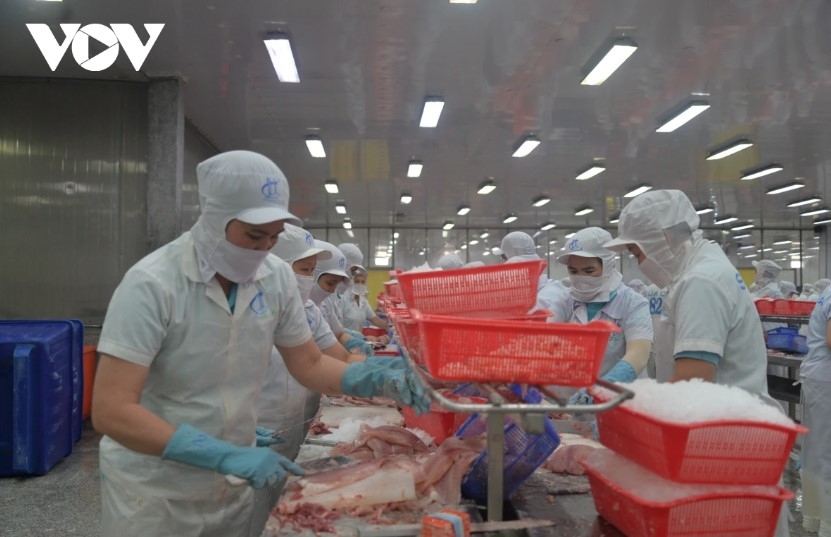

VOV.VN - Japanese consumers are turning to reasonably priced, easy-to-prepare products such as Vietnam’s tra fish (pangasius) as Japan’s economy remains sluggish and wild-caught fish supplies face tighter controls.
According to the Vietnam Association of Seafood Exporters and Producers (VASEP), Vietnam’s tra fish exports to Japan reached US$34 million during the nine-month period, up 14% year-on-year. September alone recorded a 12% increase, indicating a clear rise in import demand, particularly as supplies of wild-caught species such as pollock and cod continue to decline due to stricter catch quotas.
Frozen tra fish fillets remain the key export product, with nearly US$30 million in revenue, up 11% over the same period. Meanwhile, value-added tra fish products rose 47%, and fresh, frozen whole and cut tra fish increased 39%.
Within Japan’s whitefish consumption structure, tra fillets now rank just behind Alaska pollock fillets and are increasingly used across food processing, restaurant chains, and supermarkets. Tariff preferences under the Comprehensive and Progressive Agreement for Trans-Pacific Partnership (CPTPP) provide Vietnamese tra fish with a competitive price advantage aligning with consumer preferences for affordable, stable, and convenient protein sources.
Notably, Vietnamese tra fish has recently been introduced to the menu at Kura Sushi, one of Japan’s well-known sushi chains. This demonstrates the industry’s ability to meet Japan’s stringent requirements for food safety, farming systems, and processing standards.
However, VASEP cautioned that competition is expected to intensify as Russia moves to expand seafood exports to Asian markets, including Japan, to offset reduced shipments to Europe. If Russian supplies of processed pollock and cod increase, the current price gap could narrow.
VASEP recommended that Vietnamese enterprises further diversify value-added product lines, focusing on convenient formats such as portioned fillets, breaded options, ready-to-cook packs, and items tailored for foodservice. Strengthening quality certifications and supply-chain traceability is also essential to maintain credibility and secure long-term partnerships in the Japanese market.
With steady growth momentum, CPTPP tariff advantages, and Japan’s ongoing shift toward sustainably farmed seafood, the market remains a promising destination for Vietnam’s tra fish, VASEP affirmed.
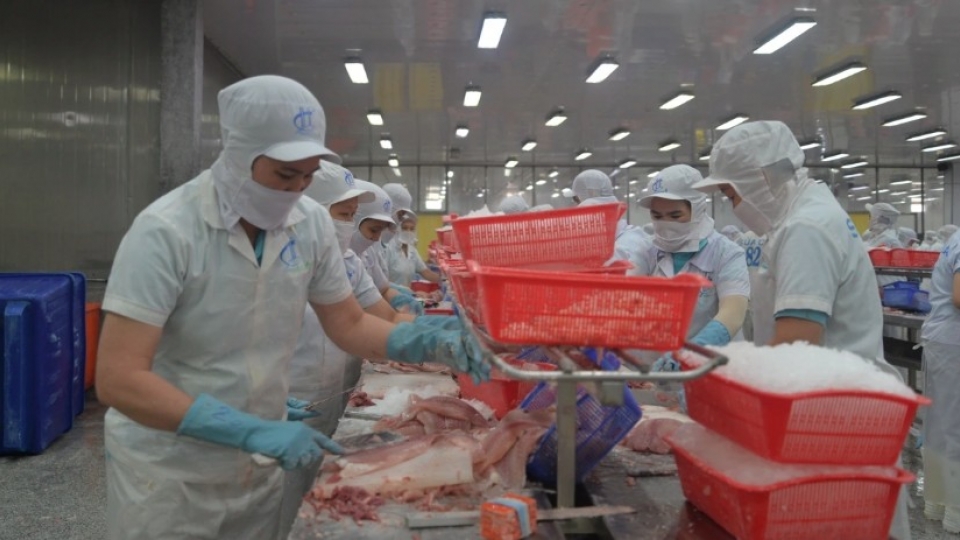
VOV.VN - The US has officially announced the results of its 20th administrative review (POR20) on anti-dumping duties for frozen pangasius (tra fish) fillets imported from Vietnam, with seven Vietnamese exporters granted a 0% tariff rate, according to the Vietnam Association of Seafood Exporters and Producers.

VOV.VN - Vietnam’s tra fish (pangasius) exports are projected to surpass US$2 billion this year after earning more than US$1.4 billion over the period January-August, according to the Vietnam Association of Seafood Exporters and Producers (VASEP).
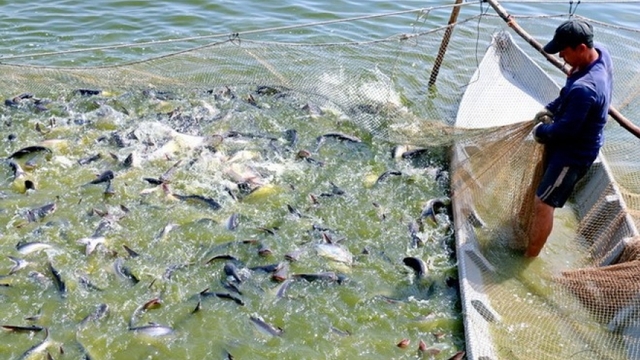
Although Vietnam’s tra fish has emerged as the global leader in Aquaculture Stewardship Council (ASC) certified tra fish production and steadily expanded its presence in premium markets, experts have advised aquaculture businesses and farmers to quickly adapt to the new, stricter ASC standards.






.JPG&w=640&q=100)












Bình luận
Bình luận của bạn sẽ được xét duyệt trước khi đăng