VOV.VN - Vietnam’s import-export turnover totaled US$41.67 billion in the first half of February, lifting cumulative trade value from the beginning of 2026 to February 15 to US$130.18 billion, up 36.9% year on year, according to Vietnam Customs.
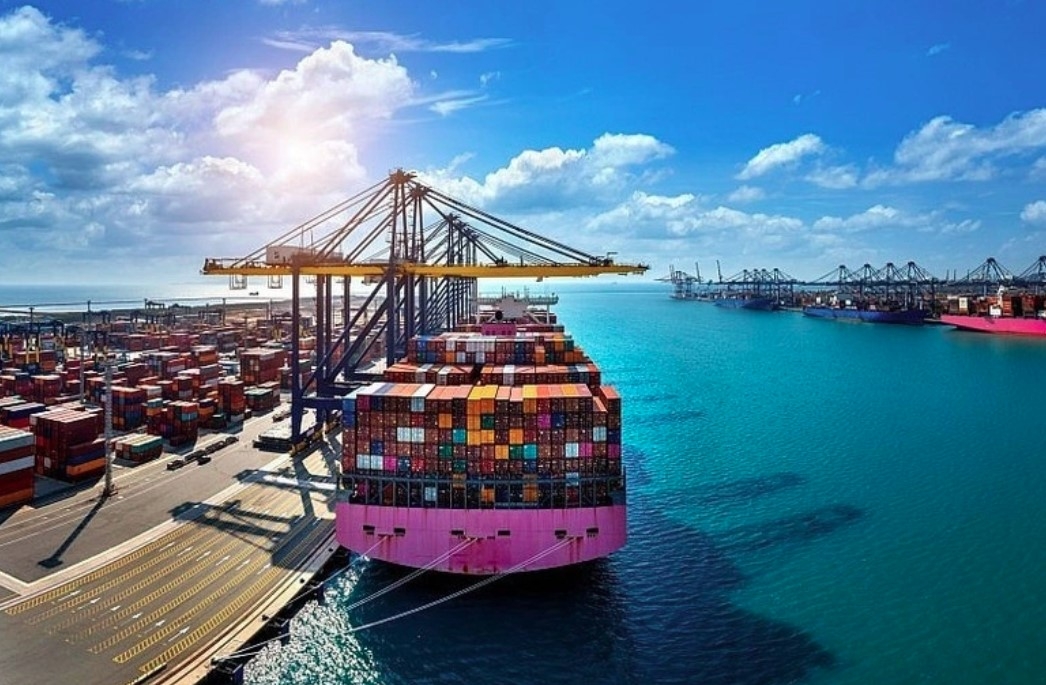
Trade growth sustains strong momentum in the opening months of 2026 (Photo: Illustrative image)
The country’s export turnover in the first half of February fell 18.8% to US$20.36 billion, compared to the second half of January. The decline was mainly seen in key product groups, with computers, electronic products and components falling by US$908 million (17.1%), phones and components down US$907 million (25.1%), machinery, equipment, tools and spare parts decreasing by US$788 million (24.1%), and wood and wood products dropping by US$223 million (23.7%).
However, cumulative exports from the start of the year to February 15 reached US$63.64 billion, up 33.7% year on year.
Several key export categories posted strong gains, with computers, electronic products and components rising by US$4.63 billion (49.4%), machinery, equipment, tools and spare parts increasing by US$2.36 billion (42.5%), and phones and components climbing by US$1.33 billion (18.9%).
Exports by foreign-invested enterprises (FIEs) in the first half of February totaled US$15.8 billion, down 19.2% compared to the second half of January. As of February 15, the FDI sector posted export turnover of US$49.51 billion, up 45% year on year, making up 78% of Vietnam’s total exports.
Meanwhile, total import turnover by February 15 surged 40% to US$66.54 billion, equivalent to an increase of US$19.02 billion.
Imports by FIEs amounted US$47.67 billion, up 56.5% (US$17.21 billion), accounting for 72% of the country’s total import value.
Several key import categories recorded robust growth, including computers, electronic products and components, up US$9.56 billion (62.3%), and machinery, equipment, tools and spare parts, up US$2.73 billion (46.4%).
Vietnam’s state budget revenue from import-export activities reached over VND261.37 trillion (US$9.97 billion) in the first seven months of 2025, equivalent to 63.6% of the annual estimate and 55.6% of the targeted goal, marking a 9.1% increase year-on-year, the Department of Customs reported.
VOV.VN - Rapid changes in global trade patterns are prompting calls for Vietnam to redesign its import-export strategy, shifting the focus from scale-driven growth to a more comprehensive approach that prioritises quality, value addition and economic resilience.
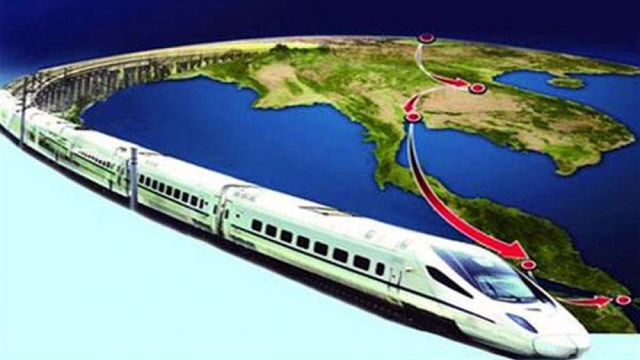
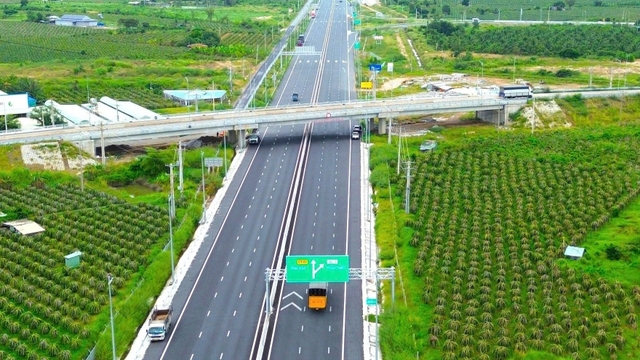
Vietnam’s logistics sector has not yet reached its full potential, affecting the country’s transportation capacity and competitiveness of local goods in the international market.








.JPG&w=640&q=100)










Bình luận
Bình luận của bạn sẽ được xét duyệt trước khi đăng