Unlocking domestic resources to drive post-Congress growth
VOV.VN - As Vietnam enters the implementation phase of the Resolution adopted at the 14th National Party Congress, the priority is no longer merely conveying its spirit, but translating it into concrete policies and measurable economic outcomes.
Effectiveness, experts say, must ultimately be reflected in growth, job creation and rising real incomes.
Measuring performance by economic outcomes
Resources should be mobilised for key areassuch as logistics infrastructure, processing and manufacturing industries, digital transformation and green transition. (Illustrative image)
Speaking to reporters, economic expert Hoang Trong Thuy stresses that after each Party Congress, the most critical task is not reiterating policy orientations but transforming the Resolution into actionable programmes.
“The 14th Congress Resolution sets out a long-term vision for national development. However, without early and concrete institutionalisation, there is a risk that sound policies remain slow in implementation,” he notes.
Drawing from previous terms, Thuy points out that the main bottleneck has often not been the content of resolutions, but the process of institutionalisation and execution. He calls for an urgent review and amendment of legal frameworks, alongside the timely issuance of action plans to bring the Resolution into economic life.
Each programme, he says, must define clear, measurable targets and focus on tangible outputs such as higher labour productivity, expanded production capacity, increased budget revenues and improved household incomes.
Parallel to institutional reform, Thuy emphasises the need to prioritise breakthrough programmes. With limited national resources, Vietnam cannot spread investments too thinly. Instead, it should concentrate on major economic bottlenecks, including logistics infrastructure, processing and manufacturing industries, digital transformation and green transition.
Early success in strategic projects, he argues, would create spillover effects, strengthen market confidence and stimulate private investment.
Unlocking private-sector potential
Efforts must be intensified to harness resources for the private sector to develop vigorously
Vietnam’s private sector currently contributes more than half of GDP and generates the majority of jobs. Yet, businesses continue to face hurdles in administrative procedures, land access, credit availability and the broader business environment.
“If these bottlenecks are not addressed promptly, efforts to unlock domestic resources will struggle to become a genuine growth engine,” Thuy warns.
He proposes a decisive roadmap to lower lending rates from the current 9-12% range to 6-8%, eventually reaching 5-6% in the coming years. Reduced capital costs, he argues, are key to encouraging enterprises to invest in technology, green transition and productivity enhancement.
“When capital costs improve, confidence in the private sector will be reinforced. Businesses can invest for the long term, integrate more deeply into supply and value chains, and create sustainable jobs and income. That is how the Resolution can become a real development driver,” Thuy says.
Job creation and income as the ultimate benchmarks
The 2026–2027 period is seen as crucial for prioritising infrastructure projects that directly generate jobs and income, according to experts
Beyond capital and institutions, Thuy underscores that economic development space must translate into tangible benefits for citizens. The 2026–2027 period is seen as crucial for prioritising infrastructure projects that directly generate jobs and income.
Major transport corridors, particularly the North–South axis, regional connectivity and logistics systems, are not merely construction projects but the arteries of the economy. Lower transport costs enhance competitiveness and create more room for private-sector expansion.
Meanwhile, Associate Professor Dr Bui Thi An, a former National Assembly deputy, highlights that although the new Resolution is well-crafted with clear objectives, the decisive factor remains human accountability.
“If the Resolution does not translate into real improvements in economic indicators and living standards, leaders must take direct responsibility,” she raises the issue.
According to An, implementation must be closely linked to clearly assigned responsibilities at each local and sectoral level, with defined timelines, evaluation criteria and transparent supervision mechanisms. Institutional reform should be accelerated, and outdated regulations that hinder development must be boldly amended.
Experts conclude that when a resolution is measured by concrete economic outcomes and executed with clear accountability, public trust will be strengthened. As confidence rises, domestic resources will be naturally mobilised, forming a sustainable foundation for a new cycle of economic growth.
Ultimately, sustained growth and rising incomes will be the clearest indicators of how effectively the 14th National Congress Resolution is brought into real life.
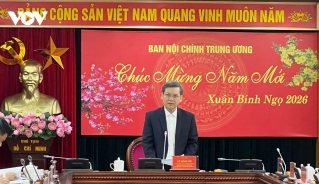
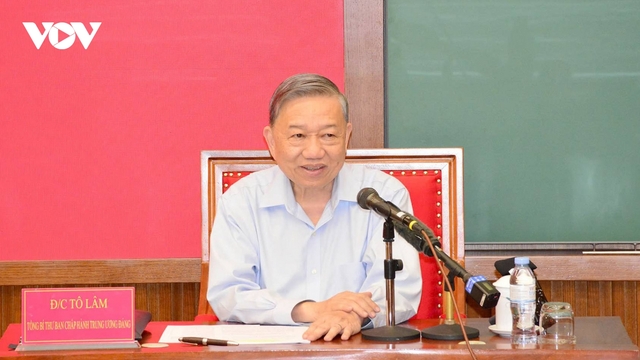
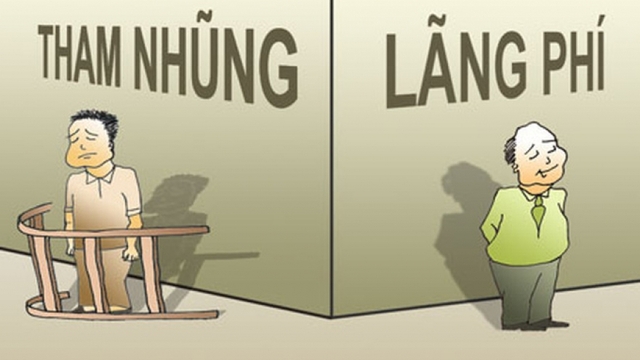
VOV.VN - The 14th Party Central Committee is set to adopt a resolution on anti-corruption, wastefulness and misconduct during its second plenum scheduled for late March 2026, a senior Party officials said on February 12.
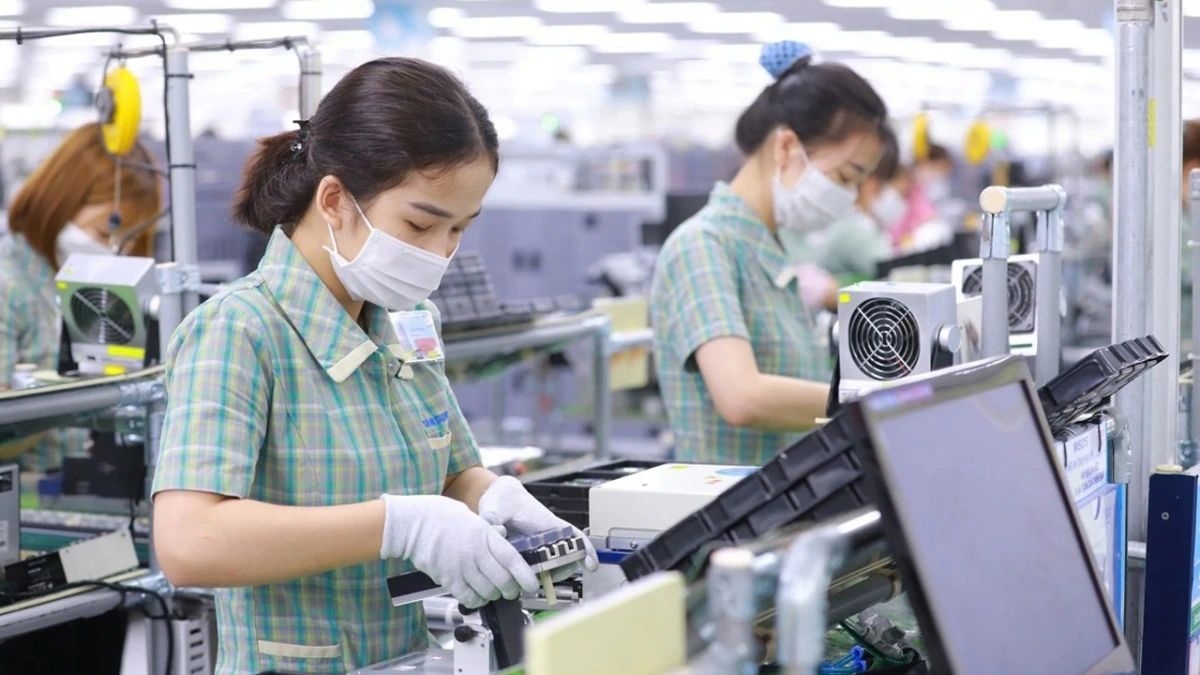
Although still at an early stage of development, Vietnam’s semiconductor industry has recorded notable progress thanks to the concerted engagement of the entire political system, driven by strategic policies on science, technology, innovation and digital transformation.
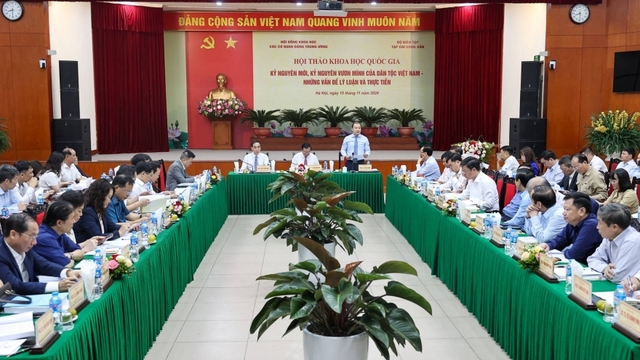
VOV.VN - Party General Secretary To Lam’s keynote speech at a recent national conference to implement the Resolution of the 14th National Party Congress has outlined priorities for the new term and called for immediate action, stressing consistency between policy commitments and execution.
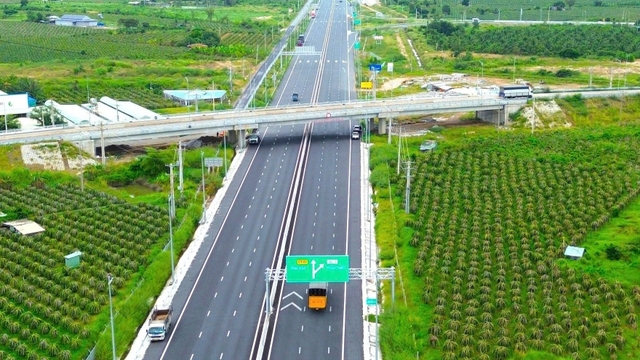
VOV.VN - Party General Secretary To Lam said 2026 must be a pivotal year for institutionalising and concretising the core contents of the documents adopted at the 14th National Party Congress, stressing the need to translate the Congress Resolution into tangible outcomes for the country.












.JPG&w=640&q=100)









Bình luận
Bình luận của bạn sẽ được xét duyệt trước khi đăng