

VOV.VN - With its strategic geographic position, Vietnam has the potential to become a regional LNG transshipment and dispatch hub, while also providing energy support for foreign-invested manufacturing supply chains, experts said at a regional energy forum in Hanoi.
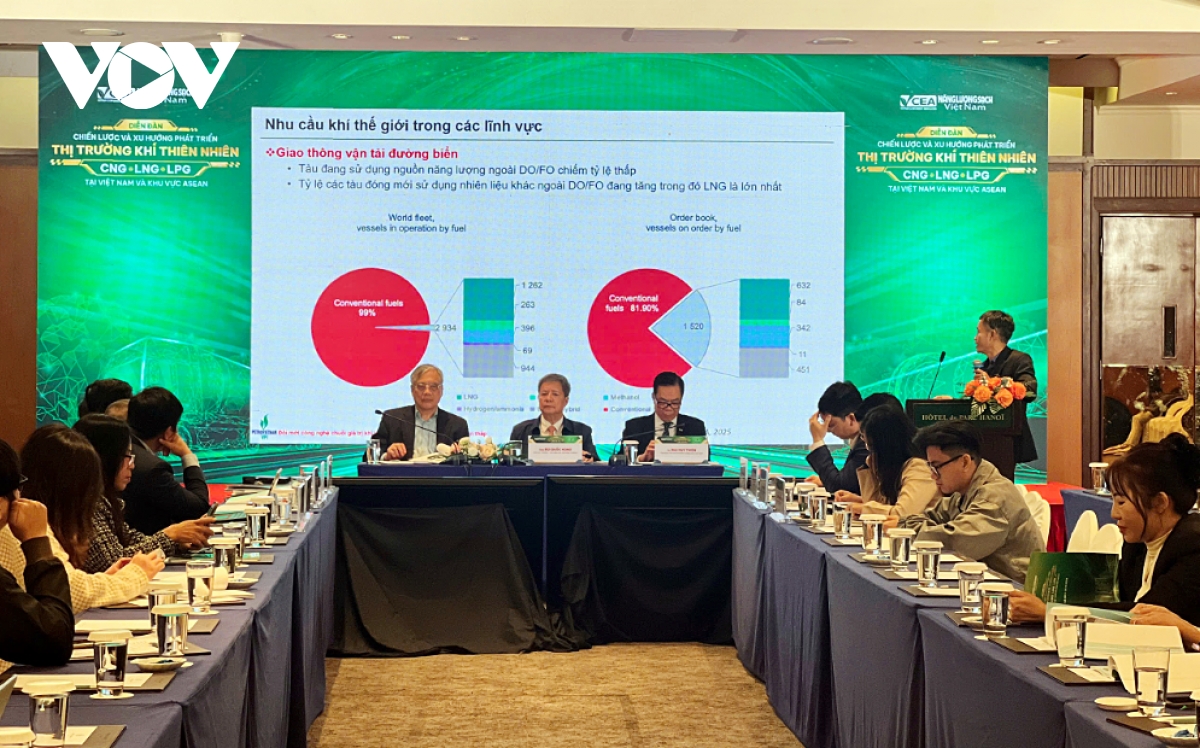
Speaking at the forum on strategic directions and development trends of the natural gas market (CNG, LNG, LPG) in Vietnam and ASEAN on December 23, Nguyen Mai Bich Tien, project development manager at GreenYellow Vietnam, revealed that global natural gas demand currently stands at around 4,250 billion cubic meters and is projected to rise to 4,700 billion cubic meters by 2030. The Asia-Pacific region is expected to record the fastest demand growth, followed by the Middle East and North America.
Data from the ASEAN Centre for Energy (ACE) show that while regional energy demand rebounded strongly after the COVID-19 period, ASEAN’s power generation mix is heavily dependent on fossil fuels, accounting for more than 80% of total supply. Coal’s share rose sharply from around 20% in 2015 to nearly 35% in 2022, while natural gas declined from over 30% to just above 20%.
As domestic oil and gas production declines, ASEAN is projected to become a net LNG importer. By 2030, LNG imports are expected to rise to 120–130 billion cubic meters, while exports may remain around 50 billion cubic meters, underscoring the urgent need for investment in LNG terminals, regasification facilities and transmission infrastructure to avoid future energy security bottlenecks.
In Vietnam, liquefied natural gas (LNG) has been identified as a key transitional energy source under the National Power Development Plan VIII, helping reduce reliance on coal and facilitate the integration of renewable energy. By 2030, Vietnam’s total gas-fired power capacity is projected to reach 9,000–10,000 MW, with annual output of approximately 50–58 billion kWh.
Several large-scale LNG-to-power projects, including Nhon Trach 3 and 4, Phuoc An, Son My and Hai Lang, are under development and are expected to come online during the 2027–2030 period.
According to Dr. Nguyen Quoc Thap, chairman of the Vietnam Petroleum Association, LNG is increasingly viewed as a flexible solution for countries with limited domestic gas resources. The world’s top LNG suppliers currently include the United States, Qatar, Australia, Russia, and Canada, while importing countries such as Vietnam, the Philippines, Bangladesh and India are rapidly expanding their LNG import capacity.
“With its strategic location, Vietnam could develop into a regional LNG re-export centre, an LNG dispatch hub, and a reliable energy supplier for FDI-driven manufacturing supply chains,” Dr. Thap said.
Vietnam also retains opportunities to develop domestic gas resources through major projects such as Block B, Ca Voi Xanh (Blue Whale), as well as smaller and medium-sized gas fields in the Nam Con Son and Malay–Tho Chu basins.
However, experts cautioned that the LNG market faces multiple challenges, including price volatility linked to global energy trends, supply chain disruptions and geopolitical risks. Policy-related risks, such as electricity and gas pricing mechanisms, offtake arrangements and investment guarantees, remain key concerns.
To address these challenges, the Vietnam Petroleum Association called for improvements to the policy framework, better synchronisation of LNG terminal planning with power plants, transmission networks and large industrial consumers, and streamlined investor selection procedures. The association also advocated for the completion of a competitive electricity market and the introduction of mechanisms allowing private sector participation in power transmission and direct power purchase agreements.
Meanwhile, economist Assoc. Prof. Dr. Ngo Tri Long warned that the natural gas market in Vietnam and ASEAN is at a critical turning point.
“If we move too slowly, we risk missing major opportunities; if we move too fast without clear rules, market distortions could emerge and risks may be transferred to the State and consumers,” he said.
Dr. Long emphasised the need to develop the gas market based on market principles, supported by a modern legal framework, aligned with Net Zero targets and deeper integration with ASEAN and global markets. He proposed placing a Gas Law, or a dedicated gas chapter within an Energy Law, on the medium-term legislative agenda, and clearly separating the roles of the State, enterprises and system operators to enhance transparency and independence.
The forum brought together policymakers, regulators, scientists, energy experts and business leaders to assess the outlook for the CNG, LNG and LPG market in Vietnam and ASEAN, share international experience, and propose solutions to promote a transparent, efficient and sustainable natural gas market in the region.
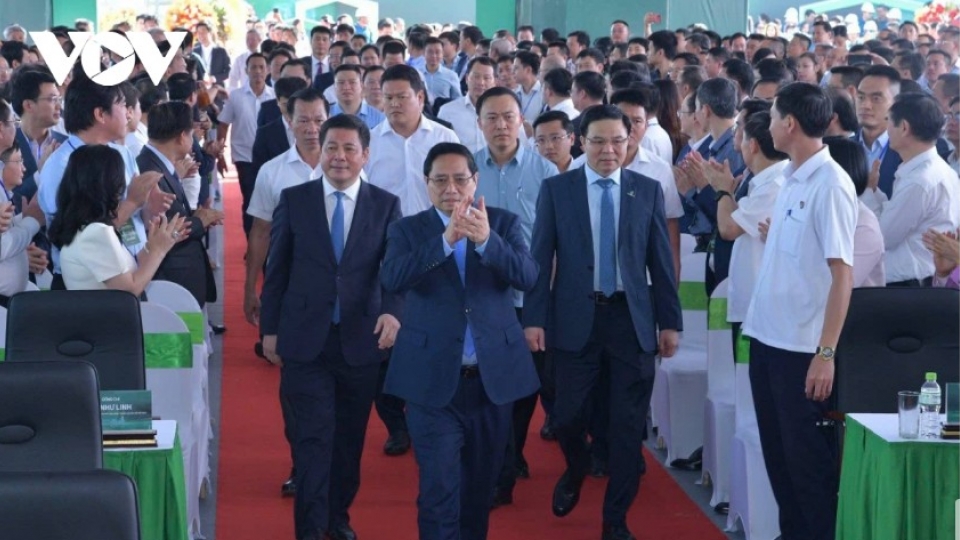
VOV.VN - Prime Minister Pham Minh Chinh emphasized that the success of the Nhon Trach 3 and Nhon Trach 4 power plant projects serves as a benchmark model, provides impetus and confidence, and lays the foundation for the continued implementation of key national energy infrastructure projects in the period ahead.

VOV.VN - The Hai Phong People’s Committee, in cooperation with Vingroup, on September 26 broke ground on the Tan Trao Industrial Park (IP) infrastructure project and the Hai Phong LNG fired power plant, with a total investment exceeding VND182 trillion.
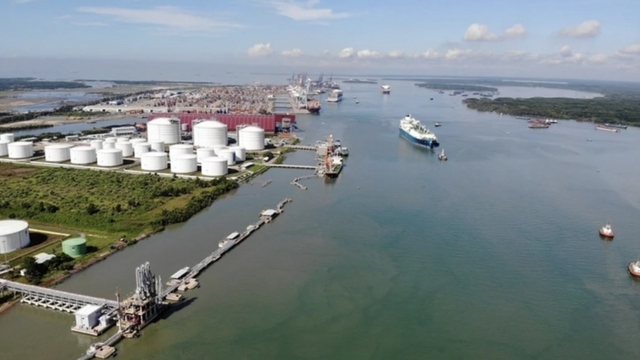
The Vietnamese Government has reduced the preferential import tariff on liquefied natural gas (LNG) from 5% to 2% under Decree No. 73/2025/ND-CP, issued on March 31. The move marks a key step in accelerating the country’s shift from fossil fuels to cleaner energy.

VOV.VN - Amid Vietnam’s ongoing energy transition and its net-zero emissions target by 2050, mobilising private capital is seen as essential to meet rising infrastructure demands, enhance energy security, and drive green growth, said experts at a consultation workshop in Hanoi on December 3.



.JPG&w=640&q=100)





Bình luận
Bình luận của bạn sẽ được xét duyệt trước khi đăng