
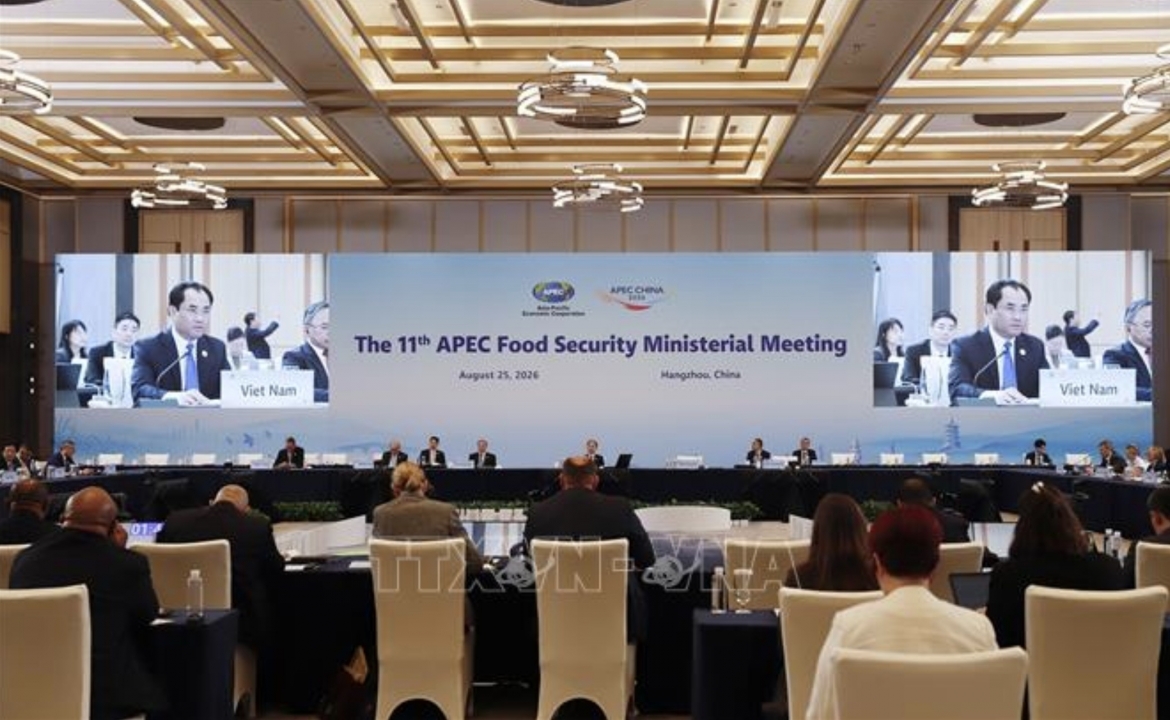

VOV.VN - Vietnam put forward four strategic cooperation orientations to fortify regional agri-food supply chains at the 11th Asia-Pacific Economic Cooperation (APEC) Food Security Ministerial Meeting, which opened on August 25 in Hangzhou, China.
The gathering stands as one of the most strategic events of APEC 2026, bringing together agricultural leaders from 21 member economies representing a region that accounts for nearly half of global food production and trade.
The ministerial sessions focused heavily on pressing challenges impacting regional and global food supply chains, including climate change, geopolitical friction, distribution bottlenecks, population ageing, and malnutrition in vulnerable areas.
In response, delegates proposed practical measures centered on preserving indigenous knowledge, applying technology and digital tools, expanding market openness, and strengthening policy coordination among member economies.
The meeting also adopted the principles on enhancing food system resilience in the APEC region through innovation and digitalisation, establishing five guiding principles for joint efforts to fortify food systems.
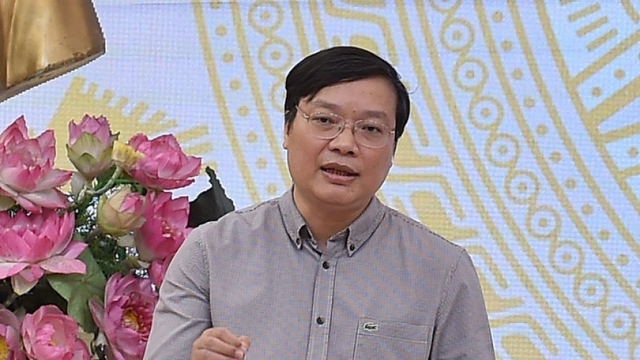
Addressing the conference, Vietnamese Minister of Agriculture and Environment Trinh Viet Hung hailed China's role as host of APEC 2026 under the theme "Building a Prosperous Asia-Pacific Community."
Reaffirming Vietnam's firm commitment to the APEC Food Security Roadmap Towards 2030, Minister Hung outlined four key strategic orientations: building more resilient and interconnected agri-food value chains; accelerating innovation and digital technology to bring advanced tools - including artificial intelligence (AI), big data, biotechnology, and precision farming - directly to farmers; mobilising innovative investment and financing to scale up pilot initiatives; and expanding knowledge sharing, capacity building, and cross-forum cooperation within APEC.
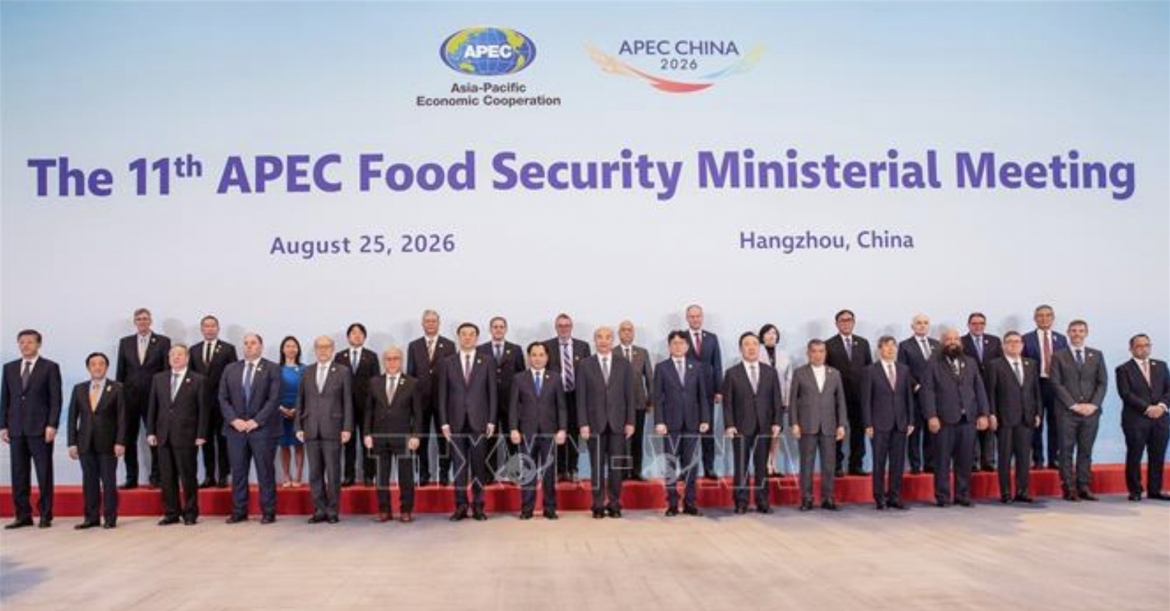
The Vietnamese minister highlighted the decisive role of science, technology, and digital solutions in boosting agricultural quality and resilience. He called on member economies to carry out three core shifts: moving from digital agriculture to a digital agri-food system; transitioning from isolated tech trials to scalable solutions; and evolving from standalone innovation projects toward an integrated APEC innovation network.
Vietnam's proposals received high appreciation and broad consensus from attending delegates. Numerous members expressed a desire to continue building consensus alongside the country toward a shared vision and a practical action programme for the 2027 APEC Food Security Ministerial Meeting in Vietnam.
Closing the event, ministers issued the Hangzhou Joint Statement, pledging to build an open, dynamic, resilient, and peaceful Asia-Pacific community. The declaration stressed that food security stays a joint priority, while urging member economies to intensify science-backed cooperation, manage natural resources sustainably, facilitate agri-food trade, and boost agricultural investment.
On the sidelines of the event, Nguyen Do Anh Tuan, Director General of the International Cooperation Department under the Ministry of Agriculture and Environment, officially announced the Proposed Orientation for APEC Cooperation on Agriculture and Food Security 2027 under the theme "Innovative and Resilient Agri-food Systems for Shared Prosperity," marking a major preparatory step for Vietnam to host APEC 2027.
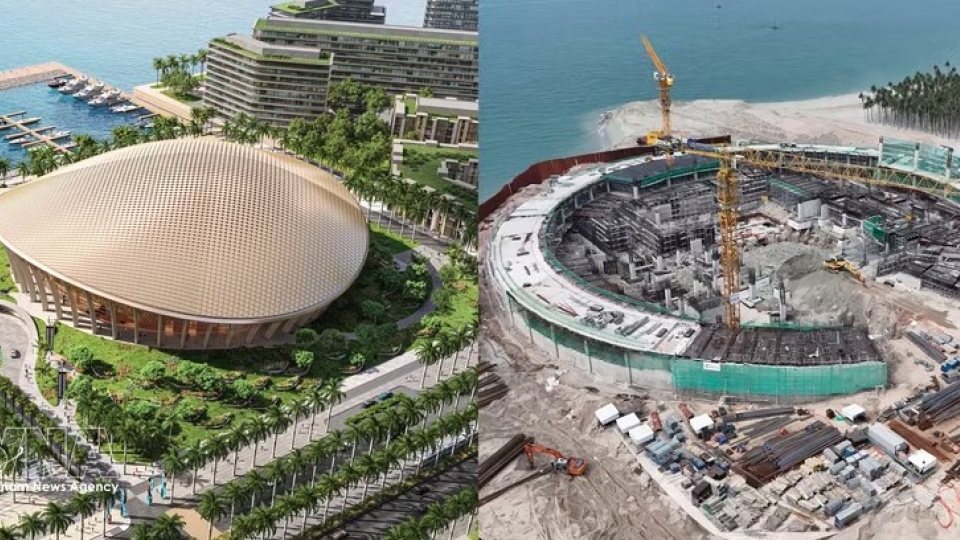
The APEC Convention Centre, a strategic national-level infrastructure project, is taking shape on Phu Quoc Island in southern An Giang province, which will host the APEC Economic Leaders’ Week 2027.
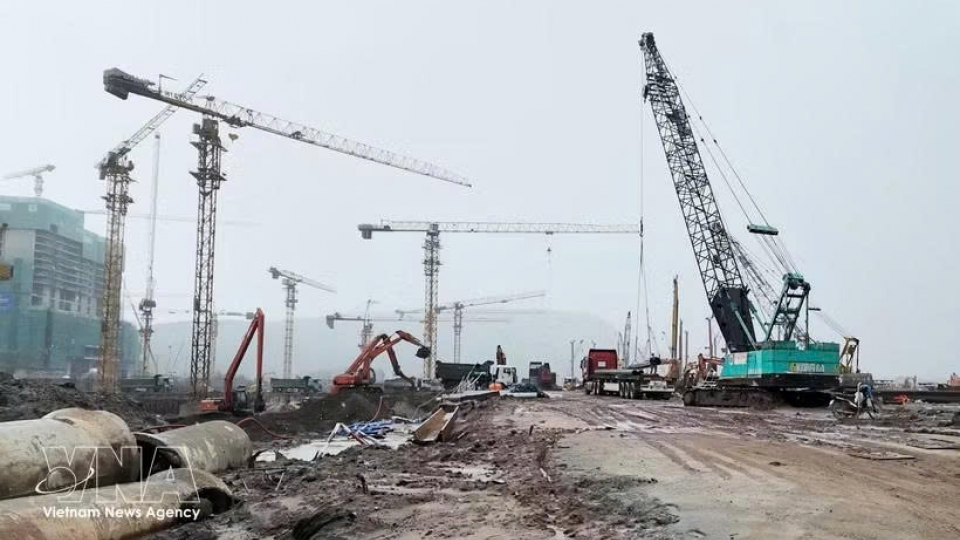
The Government has proposed special mechanisms to address legal and procedural obstacles facing projects serving the APEC Economic Leaders’ Week 2027 in Phu Quoc special zone, the southern province of An Giang.
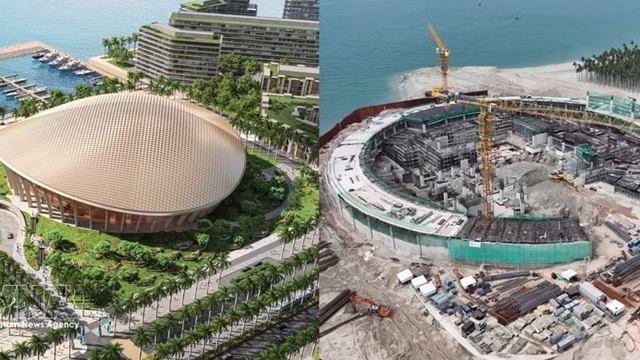
The APEC Convention Centre, a strategic national-level infrastructure project, is taking shape on Phu Quoc Island in southern An Giang province, which will host the APEC Economic Leaders’ Week 2027.
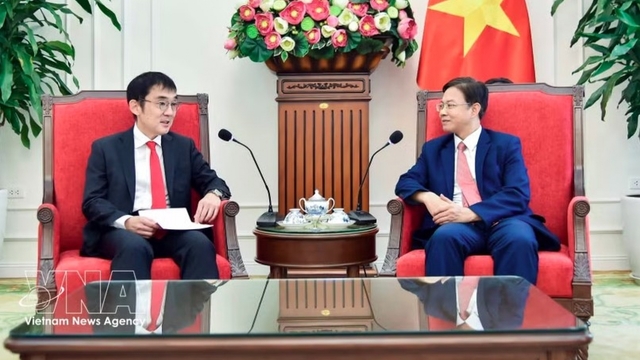
Deputy Foreign Minister Ngo Le Van received Watanabe Tetsuya, President of the Economic Research Institute for ASEAN and East Asia (ERIA), in Hanoi on August 20, during the latter’s visit to Vietnam from August 19-21.




.JPG&w=640&q=100)





Bình luận
Bình luận của bạn sẽ được xét duyệt trước khi đăng