2026 set as breakthrough year for sci-tech, innovation and digital transformation
VOV.VN - Vietnam will make 2026 a year of breakthrough action in science, technology, innovation and digital transformation, with a strong focus on tangible outcomes, effective implementation and real value for people and businesses, according to Party General Secretary To Lam.
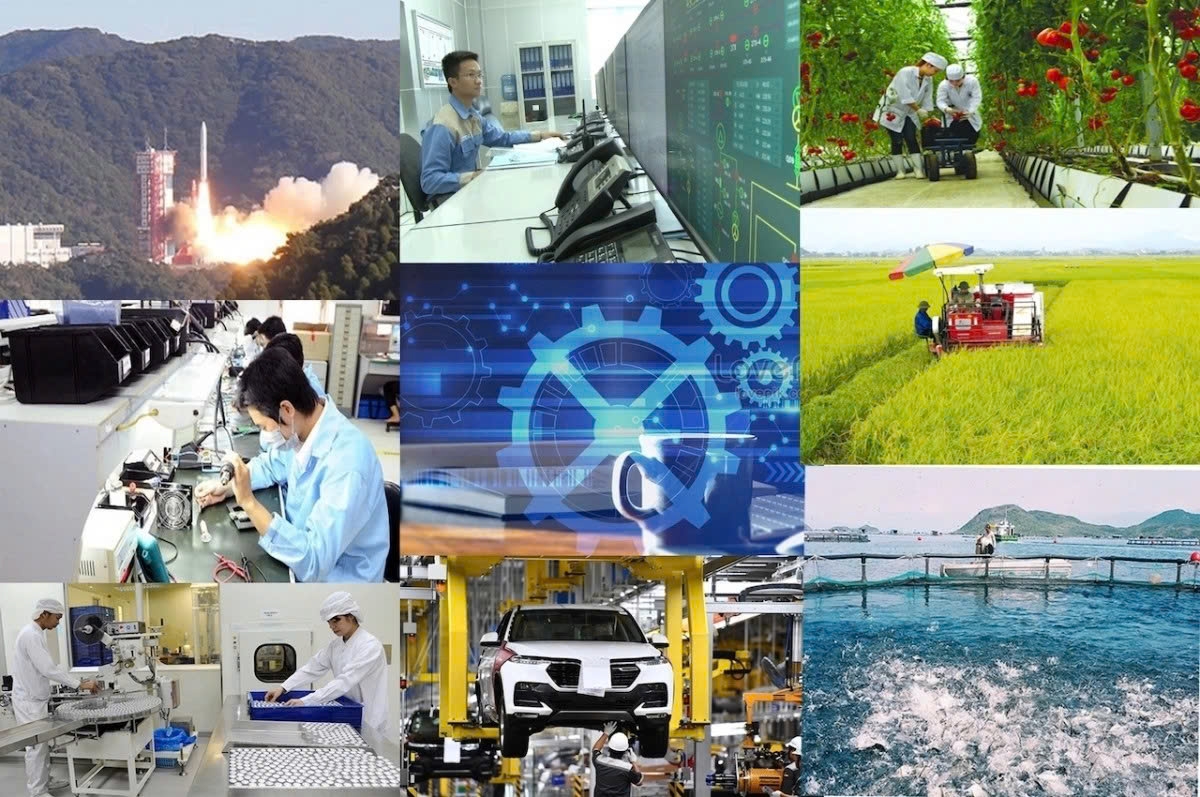
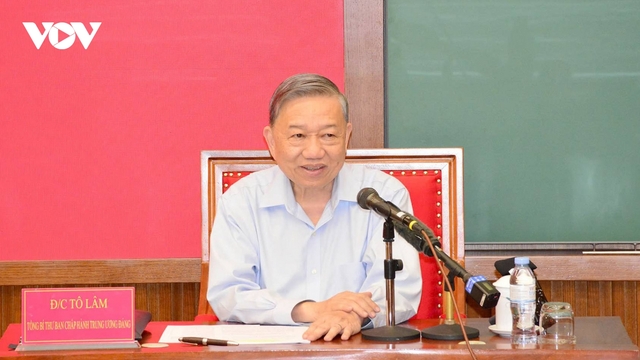
Vietnam has set 2026 as breakthrough year for science, technology, innovation and digital transformation. (Illustrative image)
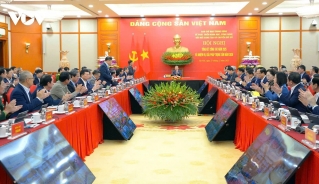
In his conclusions following a recent review conference of the Central Steering Committee on science, technology, innovation and digital transformation, the Party leader stressed that the country has completed the initial phase of institutional and policy groundwork and must now shift decisively to acceleration and delivery. He described science, technology, innovation and digital transformation as a foundational and mandatory pillar for Vietnam’s fast and sustainable development in the coming period.
General Secretary Lam, who is head of the Central Steering Committee, noted that 2026, the first year of implementing the resolution of the 14th National Party Congress, holds special significance as Vietnam seeks to transform its growth model and achieve higher-quality, double-digit economic growth. He said the focus must move from plans and reports to concrete products, measurable efficiency and verifiable results, with discipline in execution becoming a decisive factor.
He emphasised that responsibility for implementation rests clearly with Party committees and leaders at all levels, particularly heads of ministries, agencies and local authorities. Progress and outcomes in science, technology and digital transformation must be directly linked to performance evaluation, emulation and accountability mechanisms, ensuring that delays or ineffective implementation are promptly addressed.
The Party chief underscored the need to concentrate resources on core and high-impact tasks capable of generating broad spillover effects. These include accelerating the development of national and sectoral data systems, completing data inventories and ensuring that data is standardized, accurate and continuously updated in order to unlock its value for governance, economic development and public services.
General Secretary Lam also highlighted the importance of identifying and prioritising strategic technologies, with clearly defined responsibilities, timelines and targets for the 2026–2031 period. He stressed that human resource development must be closely aligned with these priorities, calling for concrete plans to train high-quality engineers and specialists in key fields such as artificial intelligence, semiconductors and cybersecurity, while also improving digital and innovation capabilities across society.
Placing people and businesses at the centre of the digital transformation agenda, he said all digital platforms, policies and public services must ultimately serve users and deliver real convenience and efficiency. Public and business satisfaction should be the primary measure of success, alongside deeper administrative reform, streamlined procedures and the expansion of end-to-end online public services, particularly in the context of reorganising local government structures.
The General Secretary further underscored the need to focus investment on strategic technologies and the commercialisation of research and innovation outcomes. He said the State should play a proactive role as an enabler and early adopter by placing orders for domestically developed technological products and solutions, thereby creating initial markets and encouraging stronger collaboration among the State, enterprises and academic institutions. Large enterprises are encouraged to take the lead in developing major platforms and ecosystems, while small and medium-sized firms should integrate into value chains based on their strengths.
At the same time, General Secretary Lam maintained that information security, cybersecurity and digital sovereignty are prerequisites for sustainable development in the digital era. He called for strict implementation of national plans and directives on data security and cyber safety across the political system, while also warning against wasteful investment and inefficient use of resources that could undermine long-term development opportunities.
According to the Party leader, the Politburo’s Resolution No. 57 on breakthrough development of science, technology, innovation and digital transformation has opened a new phase in national development by placing science, technology, innovation and digital transformation at the centre of the national strategy. While 2025 laid a solid foundation, 2026 must be the year of decisive action, translating policies into products, ideas into measurable value and strategic vision into concrete benefits for the people and the business community.
VOV.VN - Science, technology, innovation and digital transformation are no longer a matter of choice but an imperative for rapid and sustainable development, Party General Secretary To Lam said on December 25, urging breakthroughs in science and digital shift.
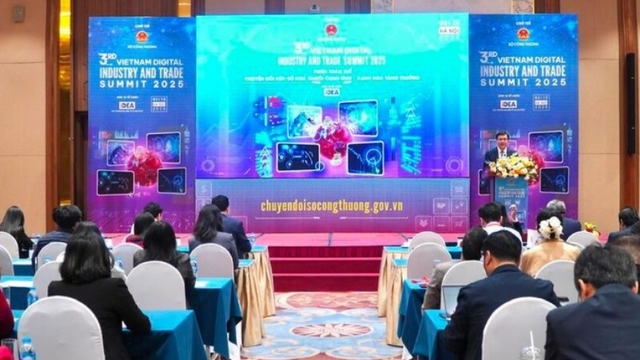
VOV.VN - Hanoi hosted the third Vietnam Digital Industry and Trade Summit 2025, the themed “Dual Transformation: Digitalizing Supply Chains – Greening Growth”, organized by the Vietnam E-commerce and Digital Economy Agency under the Ministry of Industry and Trade on December 3.
VOV.VN - Prime Minister Pham Minh Chinh stressed that the digital economy must become a key growth driver, while a digital society should serve as the foundation for inclusive and human-centred development, ensuring that no one is left behind.
VOV.VN - With support from the Vietnamese Embassy in Russia and the Vietnam Trade Office in Russia, a roundtable titled “Culture – Trade – Technology – Green Cooperation between Vietnam and Russia in the Digital Era” was held at the Hanoi-Moscow trade centre, part of the Hanoi-Moscow Complex (Incentra) on December 23.










.JPG&w=640&q=100)










Bình luận
Bình luận của bạn sẽ được xét duyệt trước khi đăng