Raising labour productivity key to achieving double-digit growth: PM Hung
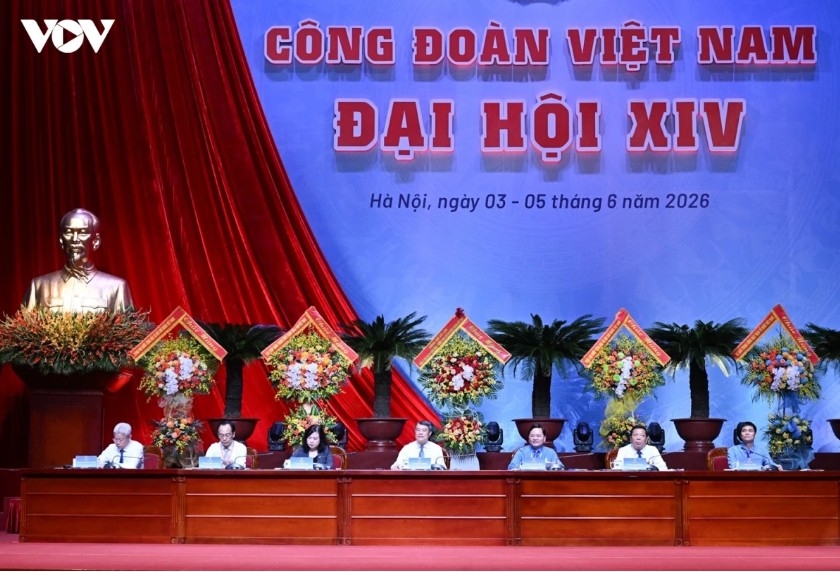
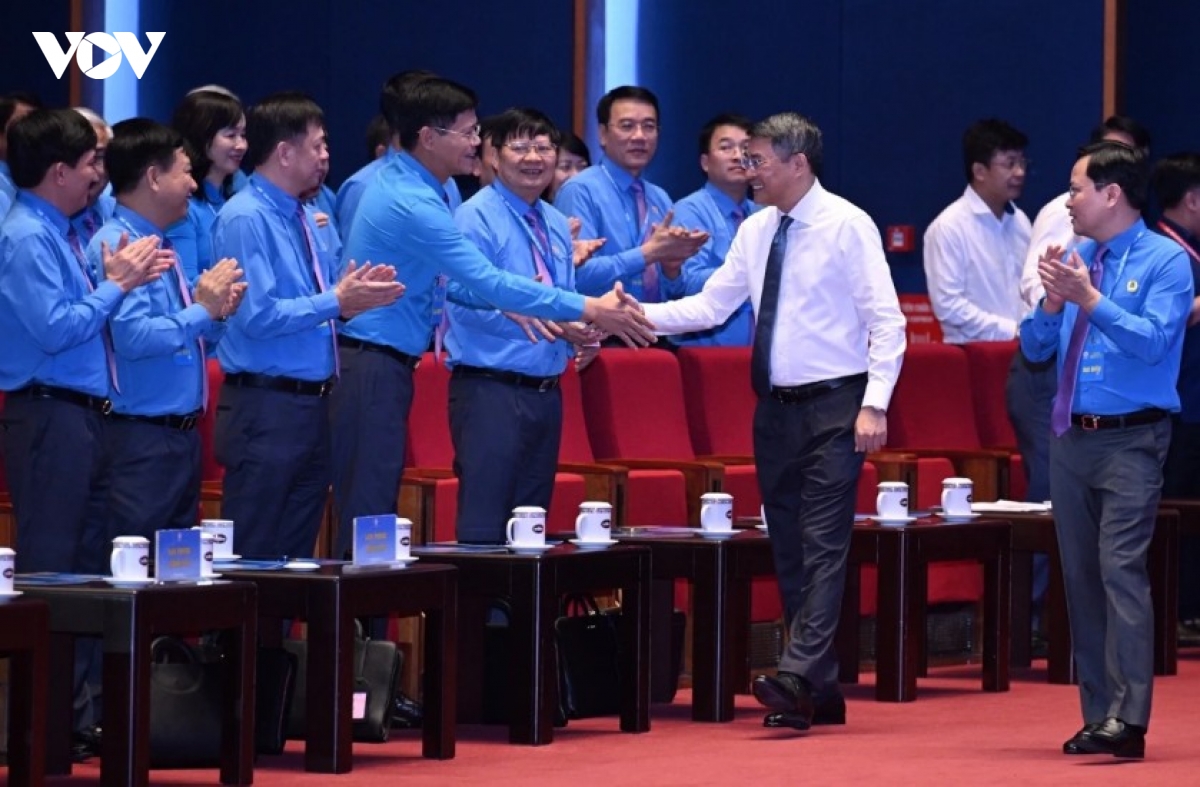
VOV.VN - Improving labour productivity and the quality of human resources is essential to achieving Vietnam’s double-digit growth target, Prime Minister Le Minh Hung said during discussions with delegates at the 14th Vietnam Trade Union Congress on June 5.
During the discussion session, delegates raised issues and recommendations related to labour productivity, vocational education and training, workers’ income and welfare, incentives for workplace innovation, and housing for workers.
They noted that Vietnamese workers are widely recognised for their adaptability and willingness to learn. However, they said the gap in labour productivity is largely linked to technology levels, the degree of mechanisation and automation, management capacity and production conditions. Several delegates called for further improvements in the quality of vocational education and training, increased investment in key vocational training institutions, and mechanisms to promote greater enterprise involvement in workforce training.
Addressing the delegates, PM Hung stressed that the Party and the State view improving the quality of human resources as a key solution to raising national labour productivity. An urgent priority is to improve the quality of vocational training and help workers enhance their qualifications and skills, particularly digital skills and the ability to adapt to new production models, he went on.
The Government leader emphasized enterprises must play a leading role in helping workers access science and technology, participate proactively in digital transformation and develop innovation capabilities. He affirmed that the Government will accompany and support businesses in developing science and technology and advancing digital transformation.
The Government will also implement policies to support digital skills training, new vocational skills training, retraining and career transition programmes to ensure sustainable employment opportunities for workers, Hung continued.
According to the Prime Minister, the Government will also study mechanisms and policies to encourage enterprises to strengthen vocational training and promote emulation movements and workplace innovation initiatives.
On wage reform, he said relevant agencies are studying a wage policy reform scheme covering not only the public sector but also workers, with the aim of ensuring living standards in the new context.
Regarding workplace innovation, the Government will assign the Ministry of Home Affairs to study and propose new measures to help enterprises promote innovation initiatives. Policies such as tax incentives and long-term reward mechanisms linked to the benefits generated by innovations will be considered to ensure workers benefit from the value created by their contributions.
On housing, PM Hung laid stress on the need to shift from a mindset focused on “home ownership” to one that ensures the “right to housing”. The State will create conditions for workers to access long-term rental housing at prices aligned with their income and ability to pay. Worker housing projects will be planned alongside social and cultural facilities such as schools, childcare centres and healthcare services.
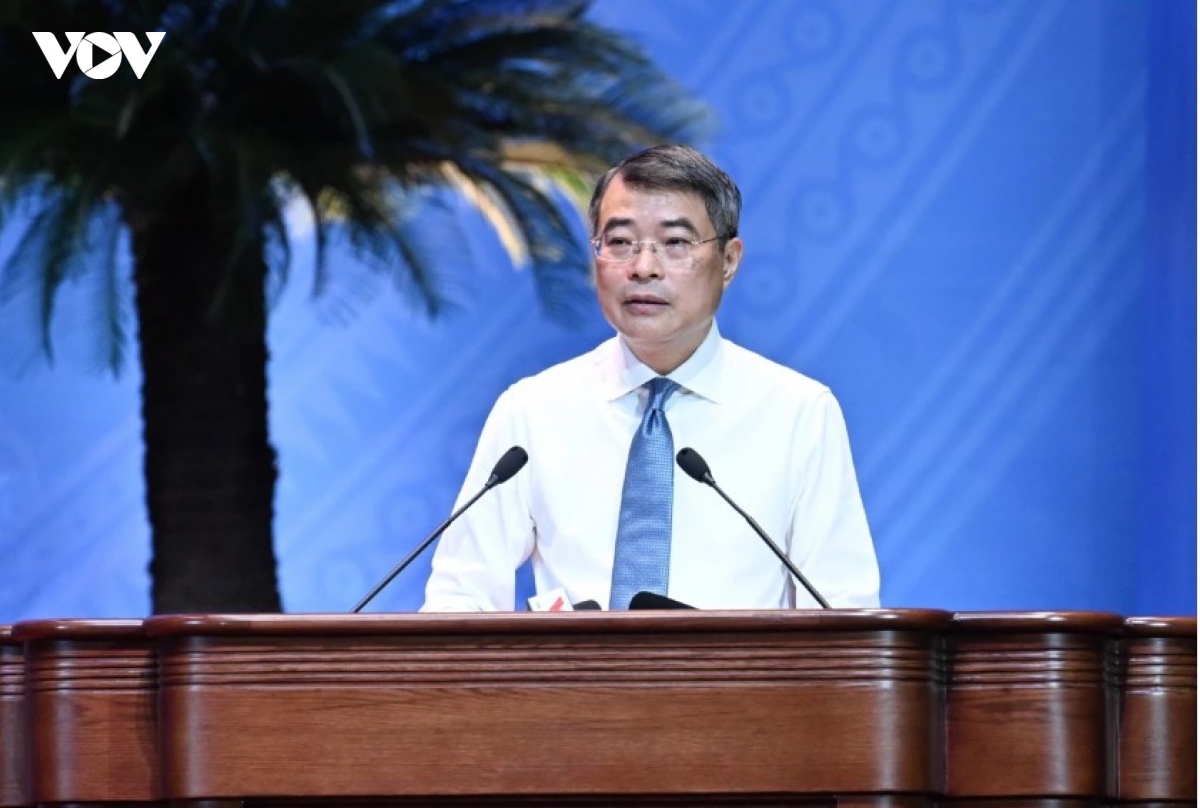
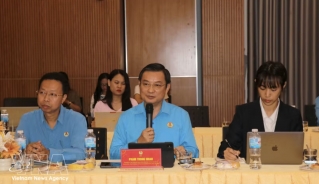
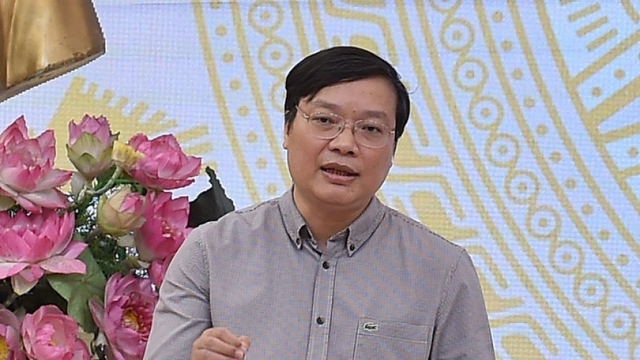
Prime Minister Le Minh Hung speaks at the event
Regarding social housing, Minister of Construction Tran Hong Minh said localities have registered plans to develop around 1.3 million social housing units by 2030, helping address housing needs for millions of workers.
The Government has assigned the Ministry of Health to serve as the lead agency responsible for state management of food safety, pharmaceuticals and functional foods, PM Hung added.
In the coming period, the Government will officially launch the nationwide emulation movement “Joining hands to develop the economy and society for sustainable double-digit growth”.
The Prime Minister expressed confidence that the country’s workforce, together with trade unions, will continue to play a central role in achieving Vietnam’s development goals in the new period.
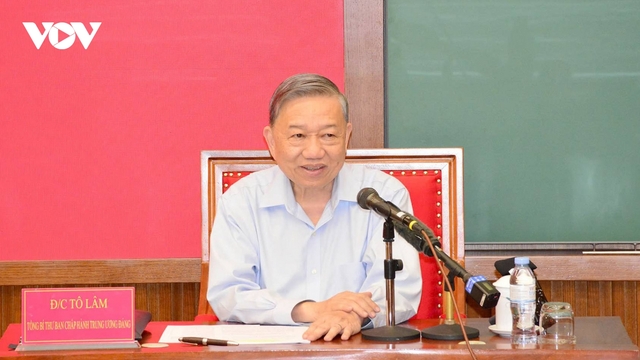
VOV.VN - Party General Secretary and State President To Lam has called for sweeping reforms to modernise the country’s trade union system, stressing that labour organisations cannot be strong if they are distant from workers.
Leaders of the Ho Chi Minh City Federation of Labour on May 13 held a working session with a delegation from Singapore's National Trades Union Congress (NTUC) to exchange experience in improving workforce quality, enhancing sustainable labour productivity and promoting technology application in trade union activities.
VOV.VN - Party General Secretary and State President To Lam has called for sweeping reforms to modernise the country’s trade union system, stressing that labour organisations cannot be strong if they are distant from workers.









.JPG&w=640&q=100)








Bình luận
Bình luận của bạn sẽ được xét duyệt trước khi đăng