

VOV.VN - The prominent outcomes in Vietnam’s socio-economic development represent achievements worthy of international recognition. However, to fully honor its international commitments, the country must continue to promote all economic, social, cultural, civil, and political rights on an equal footing.
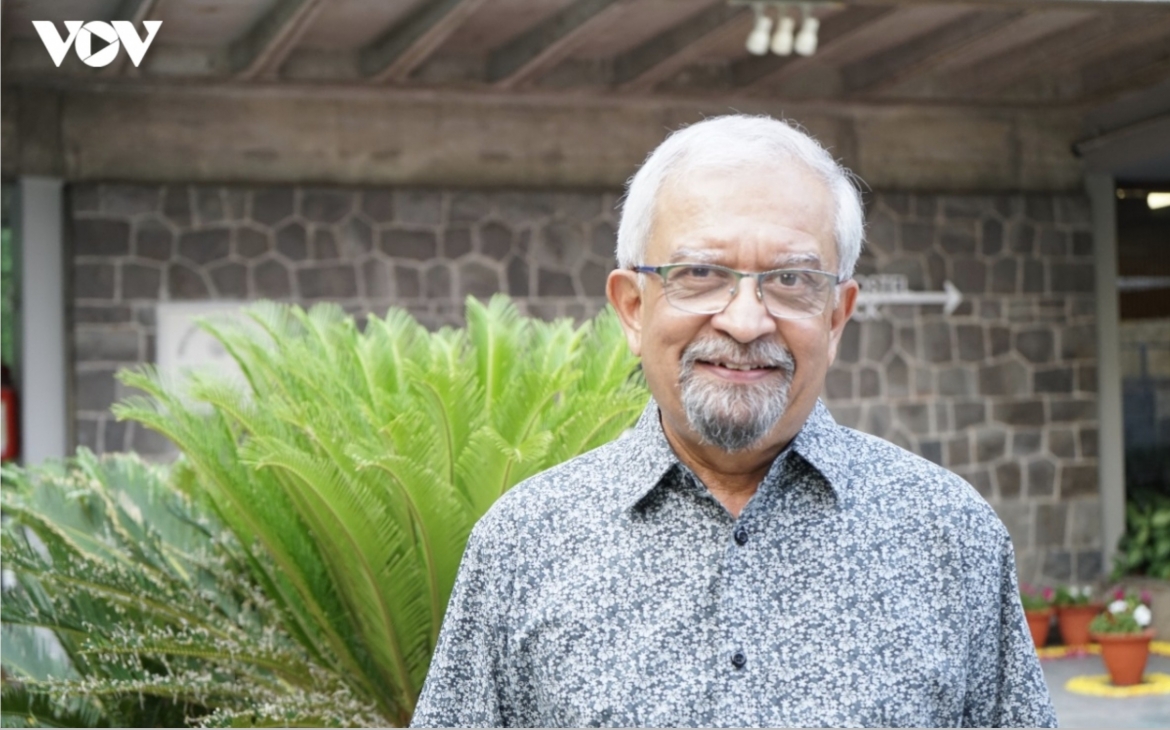
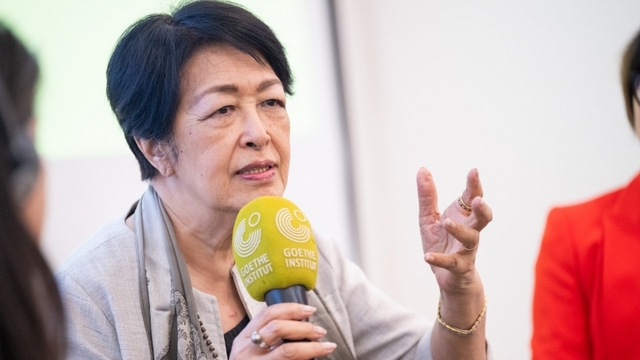
Kamal Malhotra, former UN Resident Coordinator in Vietnam (2018-2021), who spent years working within the UN system and directly observing Vietnam’s development and international integration, noted that the country has made major strides in guaranteeing economic and social rights.
In his assessment, these achievements deserve full acknowledgment from the international community. At the same time, Vietnam should continue promoting all categories of human rights evenly to fulfill its international obligations effectively.
Human rights: A unified, indivisible whole
According to Malhotra, a holistic approach to human rights is neither a new concept nor an expansion, but a core principle set out in the 1948 Universal Declaration of Human Rights and recognized by all UN member states, including Vietnam.
He emphasized that all human rights are universal and apply equally to every nation, regardless of historical conditions, culture, or level of economic development.
The former UN Resident Coordinator stated that civil, political, economic, social, and cultural rights are all equally important and indivisible. No set of rights takes precedence over another.
In practical development, Malhotra observed, certain economic and social rights may require progressive realization due to resource constraints. However, that does not mean civil, political, and cultural rights can be put on hold.
Citing India’s post-independence history, he noted that even under difficult economic conditions, the country placed civil, political, and cultural rights at the center of its Constitution and progressively ensured their implementation.
Recognizing Vietnam’s socio-economic strides
Turning to Vietnam, the expert acknowledged substantial progress in securing economic and social rights since the launch of the Doi Moi (Renovation) policy in 1986.
Malhotra pointed out that Vietnam’s per capita income rose from around US5,000 today; tens of millions of people have been lifted out of extreme poverty; and universal basic education alongside primary healthcare has expanded nationwide. These serve as clear evidence of progress in safeguarding the right to development, education, and access to essential social services.
Within a single generation, the nation has accomplished what very few nations have managed to do, making vast progress in securing basic economic and social rights, Malhotra went on.
He attributed the difference in assessments between Vietnam and some external observers not to differing legal interpretations or factual disputes, but to contrasting priorities.
The country typically highlights its achievements in economic and social development, whereas many international partners place greater focus on civil, political, and cultural rights.
Despite these differing emphases, Malhotra affirmed that all categories of rights hold equal value and must be pursued concurrently.
Positive contributions to international human rights mechanisms
In addition to domestic progress, the expert hailed Vietnam’s increasingly active engagement with international human rights mechanisms.
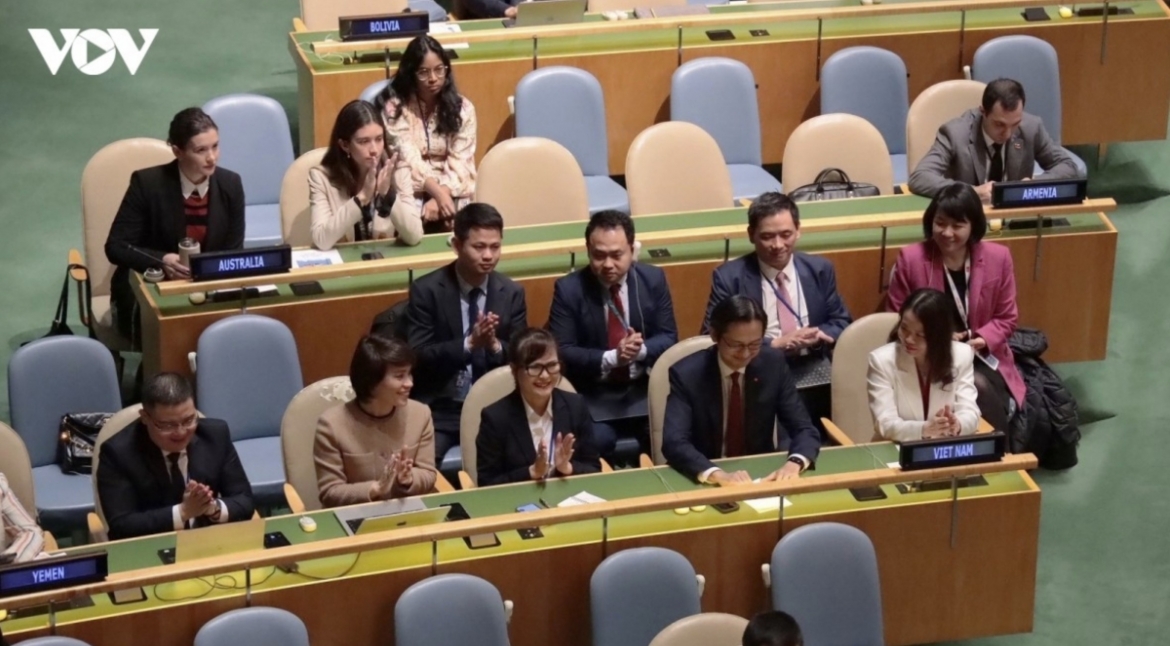
The nation’s re-election to the UN Human Rights Council for the 2026–2028 term reflects international recognition of its role and contributions in this field, he said.
He also welcomed Vietnam’s ratification of 7 out of the 9 core UN human rights treaties, covering civil and political rights, economic, social, and cultural rights, children’s rights, women’s rights, the prohibition of torture, and the rights of persons with disabilities.
In terms of treaty participation, Vietnam currently holds a more active standing than several other member states within ASEAN.
Vietnam’s active participation in UN human rights mechanisms and its ratification of 7 out of the 9 core conventions are noteworthy steps forward, the former UN Resident Coordinator continued.
However, he emphasized that implementation remains paramount. Vietnam, he suggested, should engage international human rights mechanisms with greater openness and proactivity.
Recommendations for effective implementation of international commitments
Malhotra recommended that Vietnam continue fully implementing the recommendations accepted across its recent Universal Periodic Review (UPR) cycles, while strengthening the effective enforcement of the international treaties it has ratified.
What matters most is fulfilling all obligations under the international conventions Vietnam has ratified and effectively implementing the recommendations accepted under the UPR framework, he said.
Conversely, Malhotra stressed that the international community needs a more comprehensive view of Vietnam’s achievements over nearly four decades of Doi Moi, particularly its standout results in poverty reduction, educational expansion, healthcare, and improving living standards.
Taking a global perspective, the UN expert concluded that fully and evenly guaranteeing all five categories of human rights will not only help Vietnam fulfill its international obligations, but also lay a vital foundation toward its goal of becoming a developed nation by 2045.
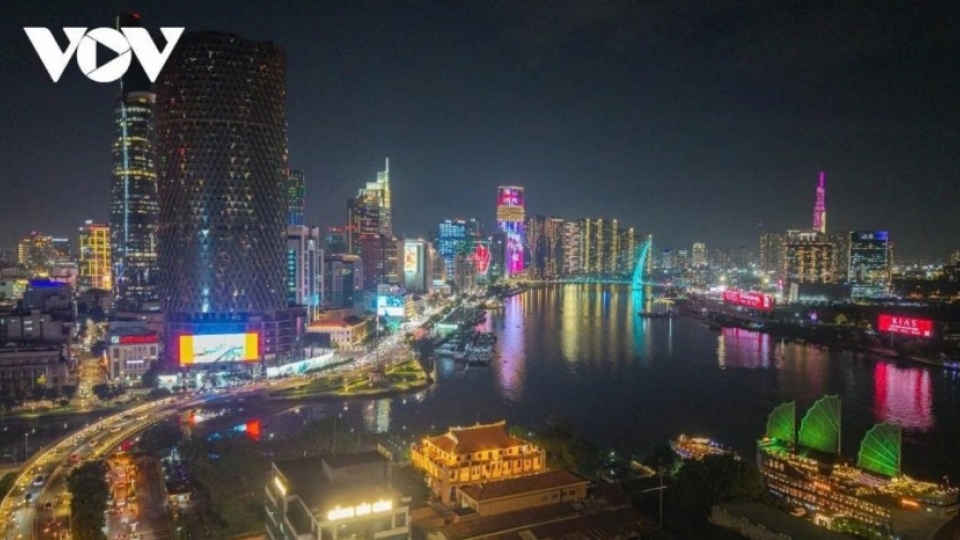
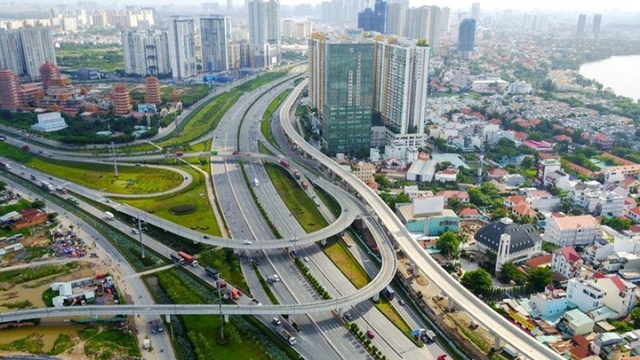
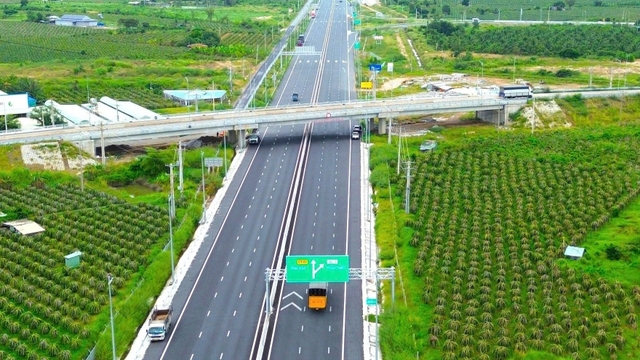
VOV.VN - Economic development achievements and steadily improving human development indicators serve as clear, concrete evidence of Vietnam’s priority in promoting and protecting human rights.
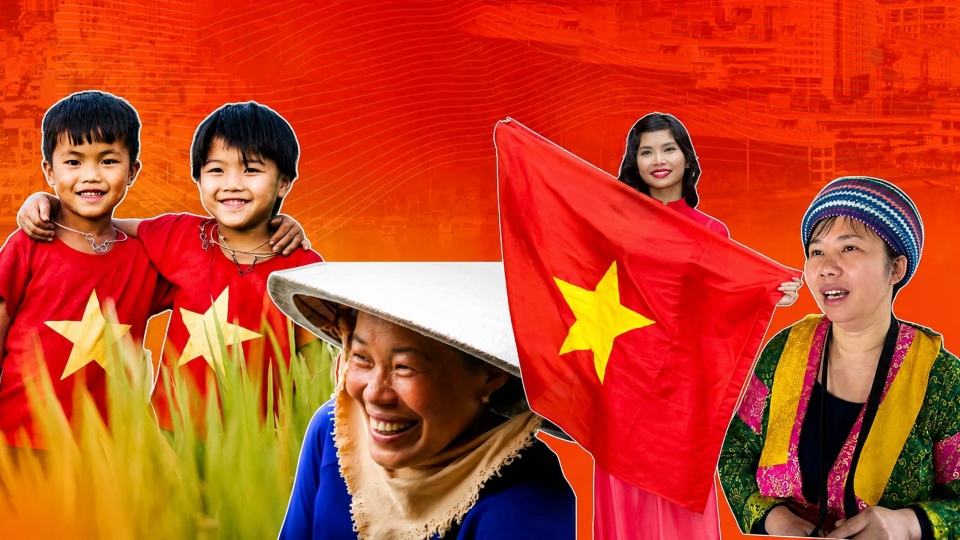
VOV.VN - Building on President Ho Chi Minh's vision of human rights, the Communist Party of Vietnam has progressively developed a people-centred approach that views human beings as the driving force, the primary actor and the ultimate goal of national development.
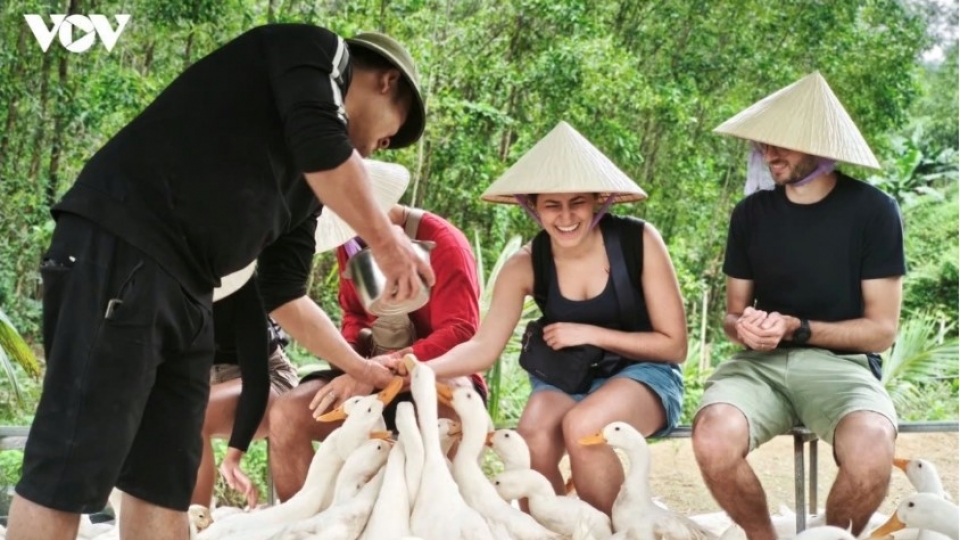
VOV.VN - Far from an abstract concept, Vietnam’s human rights achievements are proven by hard socio-economic data, rising global standing, and its election to the UN Human Rights Council for 2026-2028.

VOV.VN - Economic development achievements and steadily improving human development indicators serve as clear, concrete evidence of Vietnam’s priority in promoting and protecting human rights.





.JPG&w=640&q=100)





Bình luận
Bình luận của bạn sẽ được xét duyệt trước khi đăng