
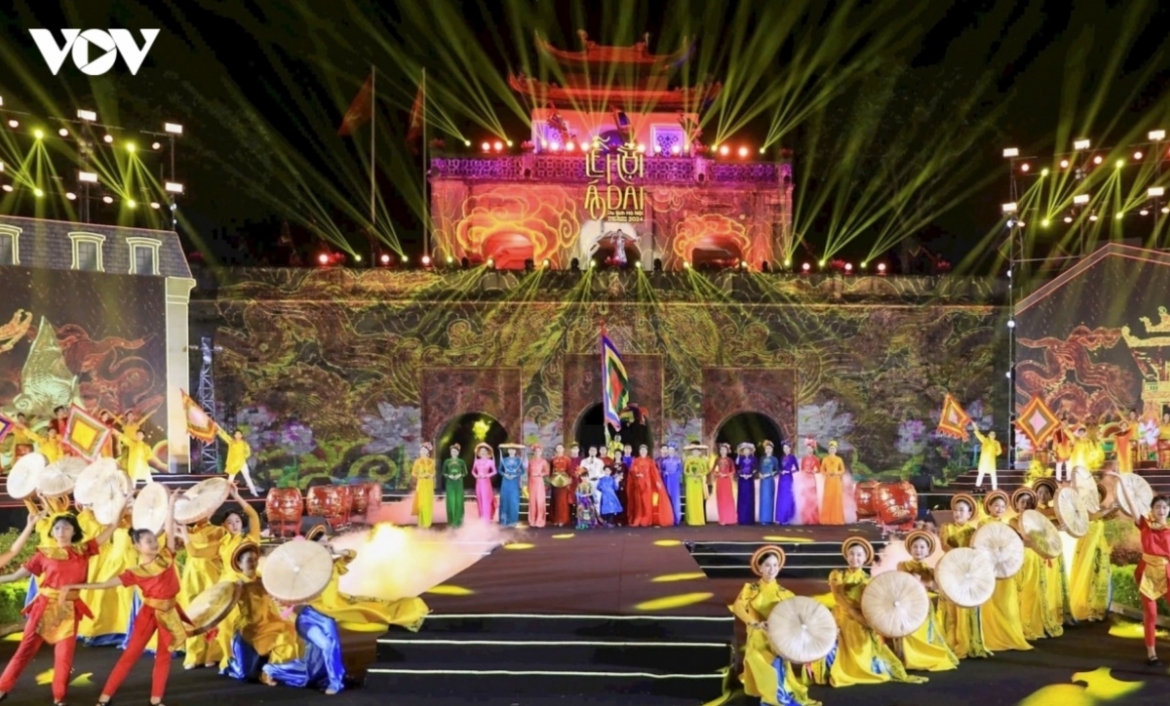

VOV.VN - In the pursuit of double-digit economic growth, culture must be perceived not merely as a spiritual foundation but as an endogenous resource, a creative driver, and a direct value-creating factor for the economy.
Unlocking these resources requires mindset innovation, institutional refinement, and the synchronized development of a cultural ecosystem.
Amid the country's drive toward double-digit economic growth, experts and researchers argue that culture should no longer be viewed solely as a spiritual foundation but rather as an endogenous resource, a direct productive force, and a driver of creativity. To achieve this, it is imperative to innovate development mindsets, build a synchronized cultural ecosystem, remove institutional bottlenecks, and vigorously develop cultural industries.
According to Assoc. Prof. Dr. Nguyen Thi Thu Phuong, Director of the Vietnam National Institute of Culture and Arts Studies, the double-digit growth target for this year and the coming period entails more than merely expanding GDP scale; rather, it must rely more heavily on productivity, science and technology, innovation, digital transformation, institutional quality, and human capabilities.
In this process, culture does not stand outside the economy but directly participates in establishing developmental capacity by fostering individuals equipped with knowledge, ethics, discipline, and creativity; building trust, cooperative standards, and social cohesion; and transforming cultural resources and identity into products, services, and added value for the economy.
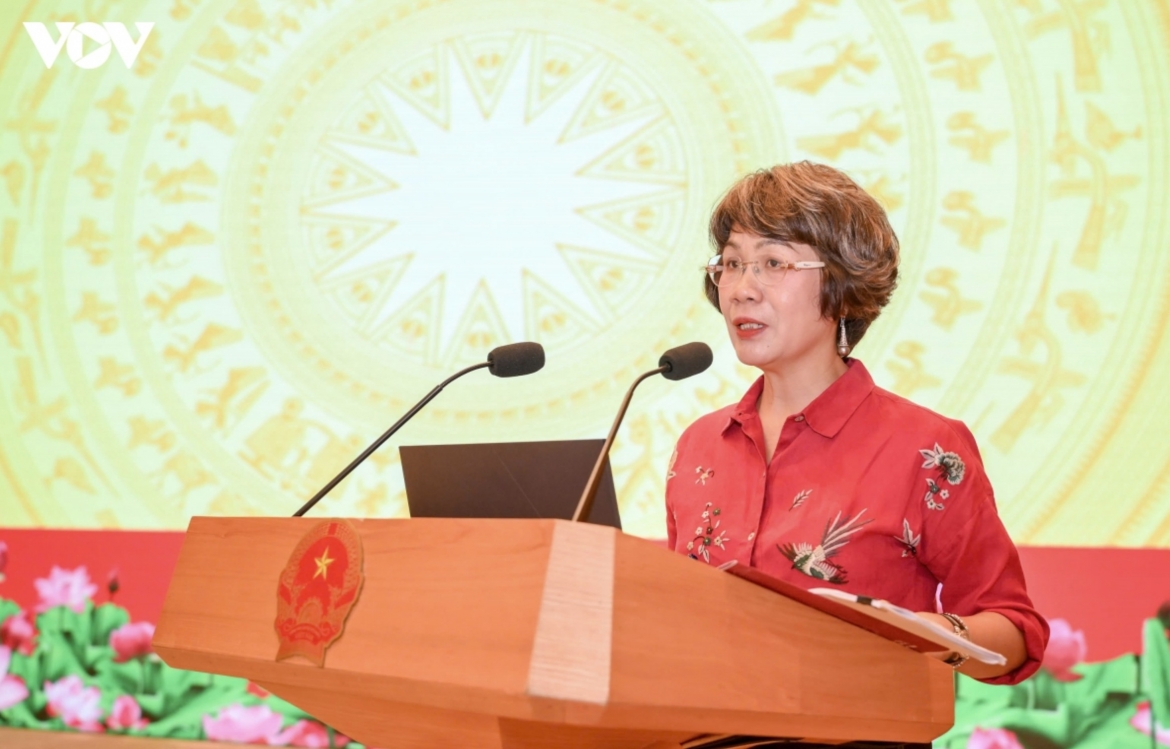
Assoc. Prof. Dr. Nguyen Thi Thu Phuong notes that Vietnam possesses numerous advantages, including rich cultural resources, a diverse heritage system, a domestic market exceeding 100 million people, a young population, a high internet penetration rate, and growing experiential demands.
In recent years, cultural industries have achieved initial results, with the emergence of new creative forces across digital content, advertising, electronic publishing, music, cinema, and video games.
Nevertheless, the sector continues to face limitations, such as incomplete value chains, a shortage of leading enterprises, weak data and statistical systems, loose cross-sectoral connectivity among culture, tourism, technology, and other economic sectors, as well as fragmented institutions governing intangible assets and digital business models.
Therefore, to promote the role of culture in sustainable growth, it is essential to cultivate culture as an internal capacity of the economy, a driver of creativity, and a regulatory system of society. Alongside cognitive innovation, cultural indicators must be integrated into socio-economic development strategies and master plans; institutional breakthroughs must be forged; bottlenecks concerning intellectual property rights, access to capital, and creative spaces must be cleared; and cultural enterprises, data systems, creative human resources, and creative clusters tied to local strengths must be developed.
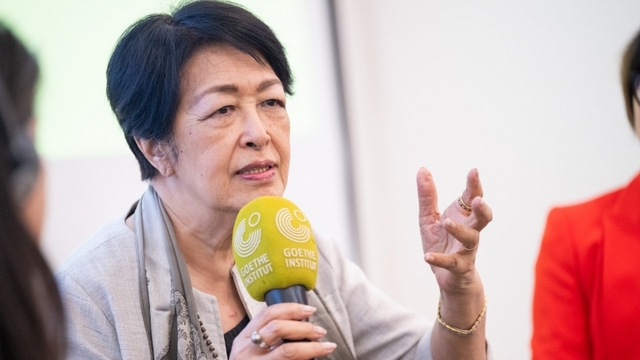
Assoc. Prof. Dr. Nguyen Thi Thu Phuong shares her perspective: "To genuinely maximize the role of culture in achieving double-digit economic growth targets, we must integrate cultural indicators into socio-economic development strategies and master plans. Simultaneously, we must shift from an operational management mindset to cultural ecosystem governance, and from input support to enhancing the competitiveness of the entire cultural value system. Investment must likewise be executed synchronously and comprehensively, rather than focusing solely on isolated stages. Furthermore, state commissioning policies continue to play a vital role in generating momentum for cultural development.
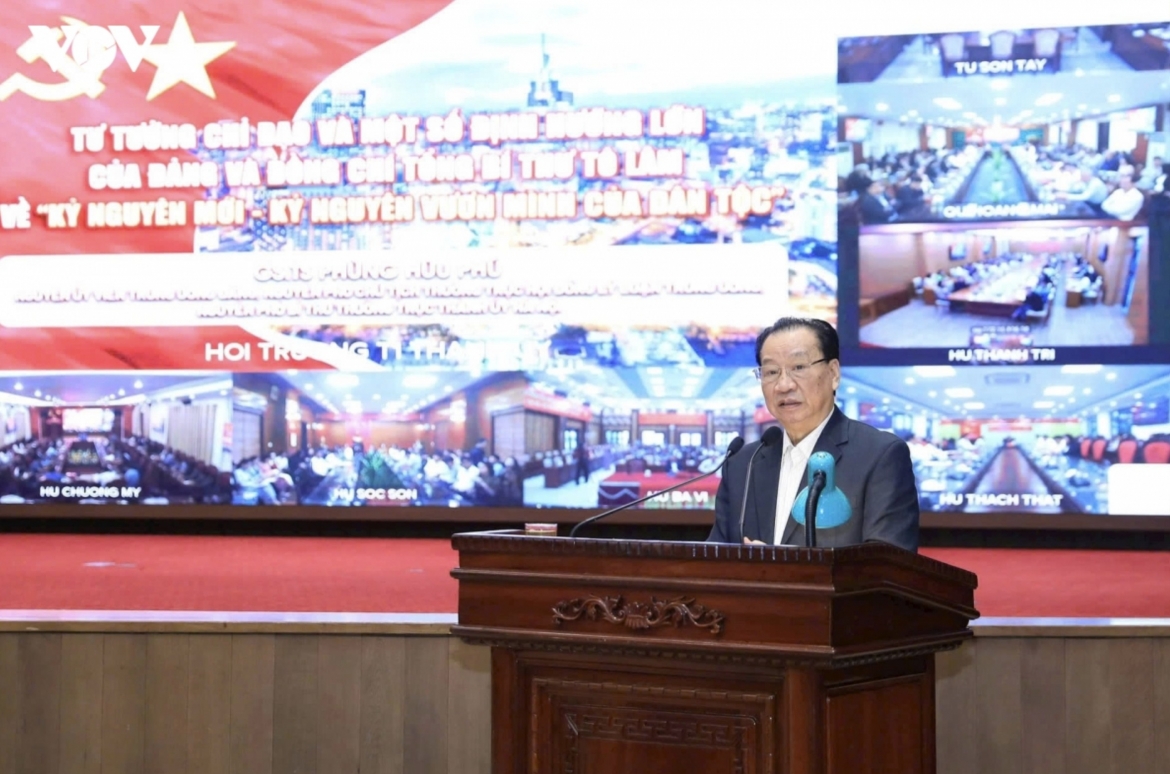
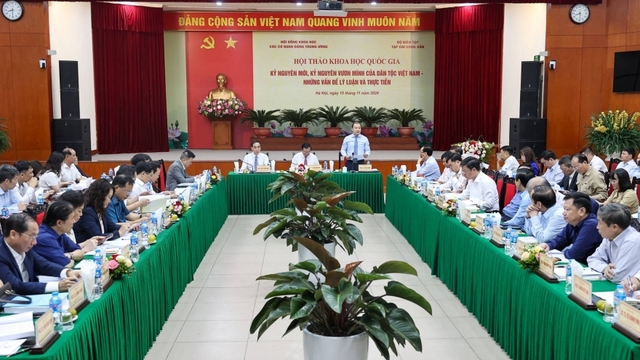
Sharing this viewpoint from a strategic angle, Prof. Dr. Phung Huu Phu, former Vice Chairman of the Central Council for Theoretical Studies, emphasizes the need to forge a breakthrough in mindset and unify perceptions regarding the role of culture.
According to him, generating profound practical changes requires first achieving transformation and consensus in awareness. This breakthrough mindset is reflected in the Resolution of the 14th National Party Congress and, notably, the Politburo's Resolution 80 on the development of Vietnamese culture, which dictates a profound realization that culture and people constitute the foundation of development.
Previously, discussions on culture routinely emphasized it as the spiritual foundation of society-a premise that remains entirely correct. Nevertheless, the Party now affirms that culture and people form the very foundation of development, representing a crucial stride forward in ideological thinking.
"For culture to truly become a new growth driver, Prof. Dr. Phung Huu Phu asserts: 'To promote the role of culture in double-digit growth, the overarching solution is to prioritize building and developing a cultural ecosystem. We must unlock the potential and creative talent of cultural actors, expand creative spaces and cultural institutions, and value and efficiently exploit cultural resources. At the same time, due attention must be paid to investing in the development of emerging cultural economic sectors, with cultural industries serving as the core."
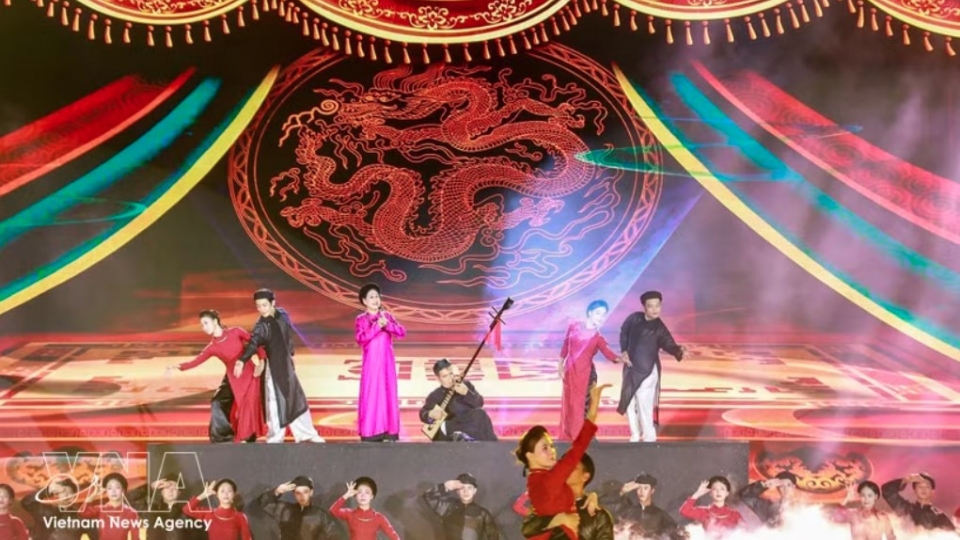
Culture is increasingly viewed not only as a value to be preserved but also as a resource to be harnessed for development.
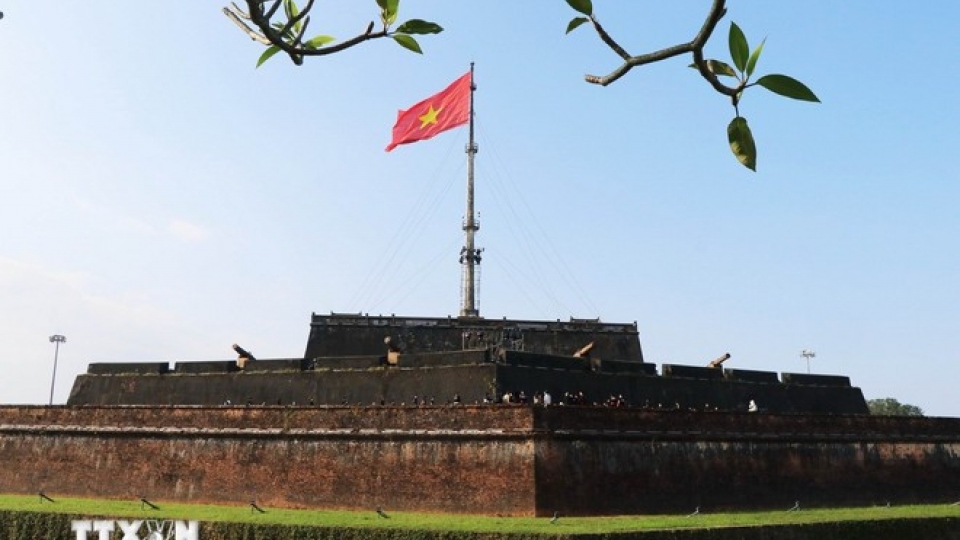
UNESCO highly welcomes the vision reflected in the Politburo’s Resolution 80-NQ/TW, said UNESCO Representative to Vietnam Jonathan Wallace Baker, noting that by positioning culture as a core resource and a pillar for development, Vietnam is placing people, values, and identity at the heart of its long-term strategy.
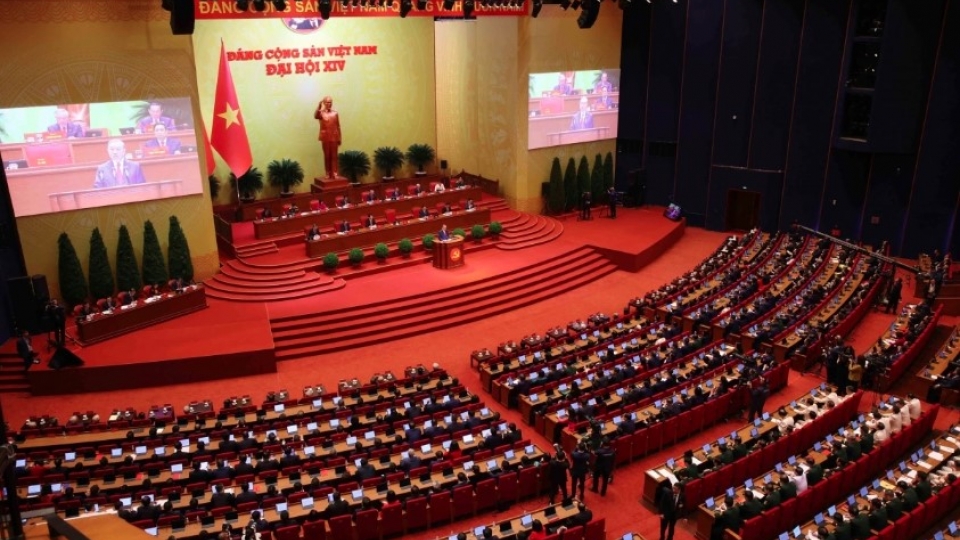
VOV.VN - A notable feature of this Party Congress term is a clear shift toward a “development-enabling” mindset and a determination to place culture at the center, treating it as an endogenous resource for the country’s sustainable advancement.

Culture is increasingly viewed not only as a value to be preserved but also as a resource to be harnessed for development.
UNESCO highly welcomes the vision reflected in the Politburo’s Resolution 80-NQ/TW, said UNESCO Representative to Vietnam Jonathan Wallace Baker, noting that by positioning culture as a core resource and a pillar for development, Vietnam is placing people, values, and identity at the heart of its long-term strategy.



.JPG&w=640&q=100)




Bình luận
Bình luận của bạn sẽ được xét duyệt trước khi đăng