
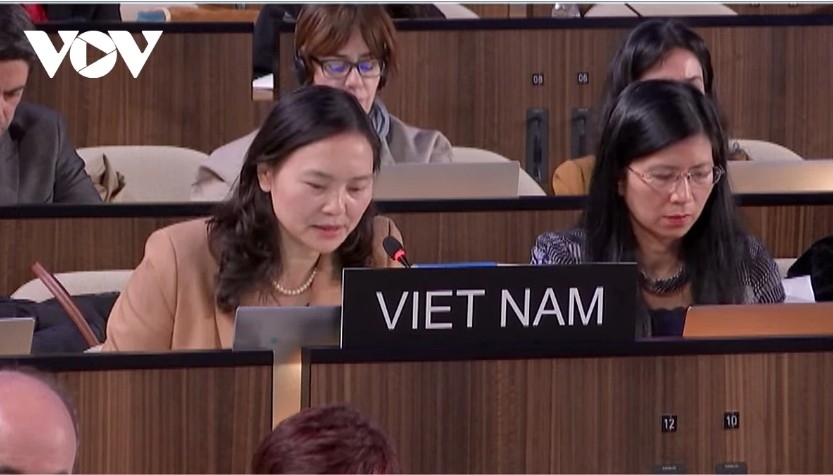

VOV.VN - In 2025, Vietnam made its mark by moving from integration to co-creating global cultural norms, programmes and initiatives, demonstrating a proactive and responsible role and a steadily standing in the international arena.
As the world continues to face rapid, complex and unpredictable changes, culture is increasingly recognised as a strategic resource for sustainable development. While international cultural cooperation previously focused mainly on exchange and promotion, a growing number of countries are now moving towards jointly shaping global cultural frameworks, programmes and initiatives. In 2025, Vietnam stood out within this trend, showing its capacity for proactive engagement and responsible contribution at the international level.
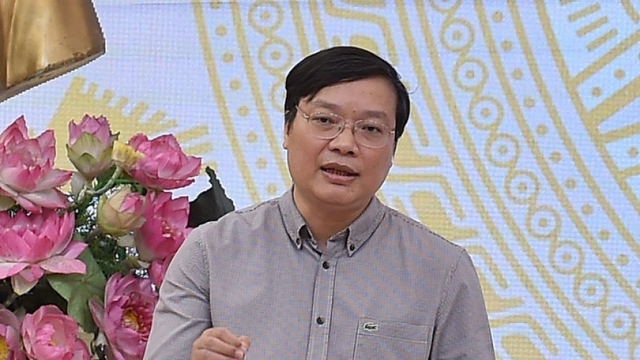
According to the Ministry of Culture, Sports and Tourism, a milestone of historical significance in the past year was the adoption by the UNESCO General Conference on November 8, 2025, of the initiative proclaiming an “International Decade of Culture for Sustainable Development.” The initiative stemmed from a proposal put forward by Minister Nguyen Van Hung at the World Conference on Cultural Policies and Sustainable Development organised by UNESCO in Spain. The consensus adoption of the initiative was not only a diplomatic achievement, but also reflected Vietnam’s role in helping shape cultural policy discussions at the global level.
Culture as a pillar of sustainable development
Over the years, the international community has acknowledged culture as a key factor underpinning soft power, social cohesion and national identity. However, integrating culture into sustainable development policy frameworks remains a challenge for many countries. The adoption of the “International Decade of Culture for Sustainable Development” is expected to provide momentum for placing culture more firmly within efforts to achieve the Sustainable Development Goals (SDGs), particularly amid climate change, conflicts, inequality, a crisis of trust and social impacts arising from technological transformation.
Vietnam has contributed concrete initiatives of its own and worked with international organisations on a co-creation basis. This shows the country’s policy of proactive and deeper international integration and its role as a proposer of solutions rather than a beneficiary.
The Ministry said Vietnam’s external cultural work in 2025 was conducted in a structured and coordinated manner and closely tied to high-level foreign affairs activities of the Party and the State.
Numerous cooperation programmes and agreements in culture, sports and tourism were organised or signed during visits by senior leaders. At a deeper level, cooperation with UNESCO continued to expand, particularly in the preservation of tangible and intangible cultural heritage.
Vietnam’s international cultural cooperation has increasingly focused on responsible preservation in line with international recommendations, while treating heritage values as a resource for development. This has helped strengthen national competitiveness in the creative economy, where culture and heritage are closely tied to tourism, media, the arts and content industries.
From UNESCO recognition to national image-building
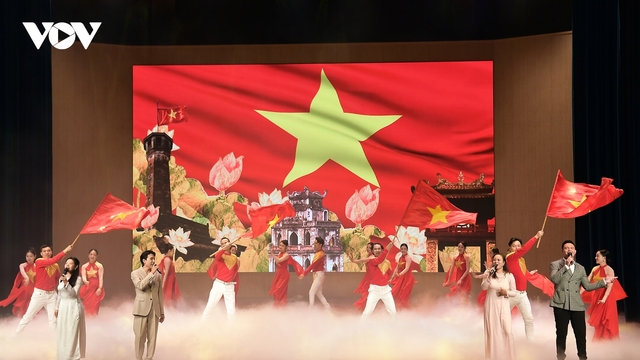
The Ministry underscored that the sector’s contributions extend beyond the symbolic, encompassing the dissemination of Vietnamese cultural values, the strengthening of national soft power and alignment with the country’s development goals. Achievements in external cultural relations in 2025 provide clear evidence that Vietnamese culture is being presented to the world in a more modern and strategic manner, with the capacity to generate positive influence.
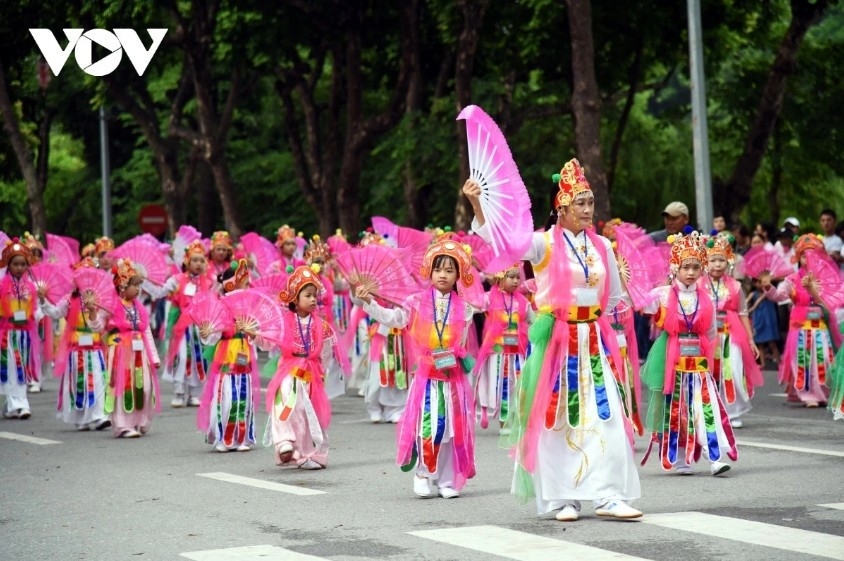
The Ministry also highlighted a key task ahead: advising on the completion of a draft resolution for submission to the Politburo on the development of Vietnamese culture. If issued and implemented effectively, the resolution would provide an important institutional foundation to remove bottlenecks, expand development space, enhance cultural governance capacity and enable Vietnam to participate more deeply in shaping cultural policy at regional and international levels.
The success at UNESCO on November 8, 2025, marks a step forward in Vietnam’s transition from a follower to a more proactive contributor, and from an approach centred on introduction to one focused on co-creation. It reflects the country’s confidence, intellectual capacity and development aspirations in a new phase.
Looking ahead to the 2026-2030 period, as Vietnam enters a new development cycle linked to digital transformation, innovation and improved competitiveness, culture is set to play an even more foundational role. Vietnam’s growing role in shaping global cultural policy is therefore not only an external engagement, but also an internal imperative: building a strong value system, resilience and soft power to support sustainable development.
Vietnam’s growing role in shaping global cultural policy thus carries not only external significance, but also an internal imperative toward building a strong value system, resilience and soft power to support sustainable development.
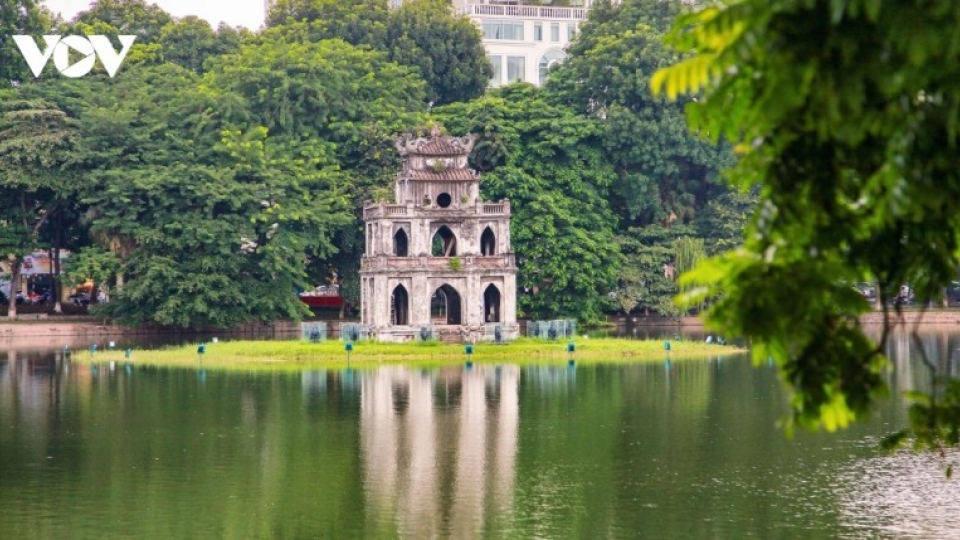
VOV.VN - On December 4, following a rigorous evaluation process with high standards, the United Nations Educational, Scientific and Cultural Organization (UNESCO) officially announced 72 cities from 46 countries as members of the UNESCO Global Network of Learning Cities, including the Vietnamese capital, Hanoi.
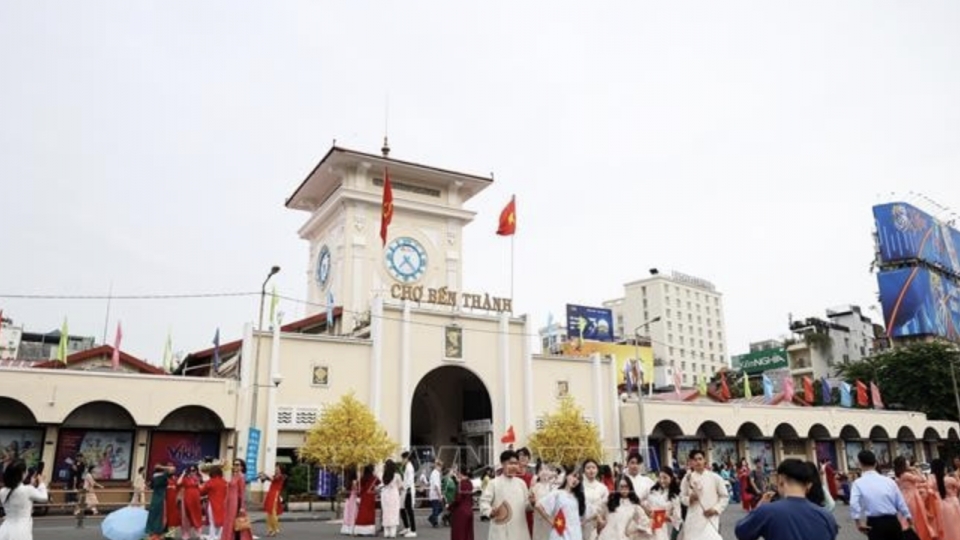
Ho Chi Minh City has been named a new member of the UNESCO Creative Cities Network (UCCN) for film, becoming Vietnam’s first - and Southeast Asia’s only - representative in this category.
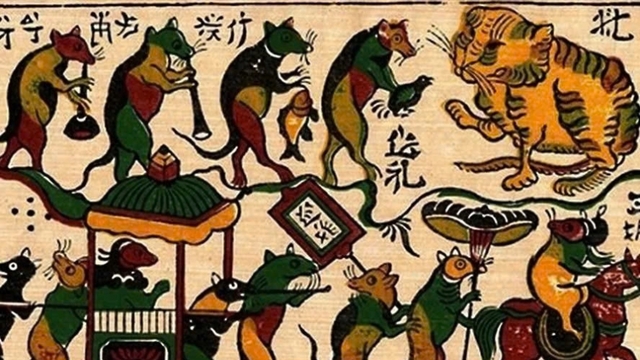
VOV.VN - UNESCO has recently recognised the traditional craft of Dong Ho folk painting as an Intangible Cultural Heritage, raising the total number of the country’s such UNESCO-recognised intangible elements to 17.



.JPG&w=640&q=100)




Bình luận
Bình luận của bạn sẽ được xét duyệt trước khi đăng