

VOV.VN - Vietnam is positioning green growth as a key driver of sustainable development, competitiveness and its goal of becoming a high-income economy by 2045.
As climate change intensifies, carbon standards become increasingly stringent and the global race for green technologies accelerates, green growth is no longer simply an environmental agenda, it has become an economic imperative. For Vietnam, the green transition is increasingly viewed as a strategic pathway to sustaining competitiveness, attracting investment and achieving its ambition of becoming a high-income developed country by 2045.
The message is reinforced by the resolutions adopted at the recent third plenum of the 14th Party Central Committee and the Politburo’s Conclusion 75 (dated July 28, 2026), which emphasise that green growth is not only about environmental protection but also about creating new drivers of economic development.
History shows that every industrial revolution has reshaped the global growth model. If the nineteenth century was driven by coal and the twentieth century by oil and large-scale industrialisation, the twenty-first century is increasingly defined by low-carbon development, circular economy models and technology-driven innovation.
In this new landscape, a country's competitiveness is measured not only by the size of its economy or manufacturing capacity, but also by its ability to use resources efficiently, reduce greenhouse gas emissions and build long-term resilience.
This transformation is driven not only by environmental concerns but also by the mounting impacts of climate change. According to the Intergovernmental Panel on Climate Change (IPCC), global temperatures are rising faster than previously projected. Exceeding the 1.5°C threshold above pre-industrial levels could trigger irreversible damage to ecosystems while threatening food security, water resources, public health and livelihoods worldwide.
Recognising these risks, many major economies have made green growth a central pillar of their development strategies. The European Union is implementing the European Green Deal alongside its Carbon Border Adjustment Mechanism (CBAM), while the United States continues to invest heavily in clean energy and green technologies. Japan, the Republic of Korea, Singapore and many other countries have also pledged to achieve carbon neutrality by mid-century, viewing the green transition as a source of innovation, productivity and economic competitiveness.
Increasingly, environmental protection is no longer regarded as a cost of growth but as an investment in future prosperity. Renewable energy, clean manufacturing, green finance, electric mobility and circular economy industries are generating millions of new jobs alongside attracting significant investment worldwide.
At the same time, international trade rules are evolving. As export markets tighten requirements on carbon emissions, environmental standards and product traceability, competitive advantage is shifting away from cheap labour and natural resources toward cleaner production, energy efficiency and sustainable supply chains.
In this context, green credentials are rapidly becoming a prerequisite for participating in global value chains.
One of the countries most vulnerable to climate change, Vietnam faces growing pressure to transform its development model while maintaining robust economic growth and strengthening resilience against climate-related shocks.
The country has recognised this challenge for more than a decade. The Politburo’s Resolution 24 adopted in 2013 laid the foundation for integrating climate adaptation, environmental protection and sustainable resource management into national development planning. This direction was later reinforced through the National Green Growth Strategy for 2021–2030 and Vietnam's commitment at COP26 to achieve net-zero emissions by 2050.
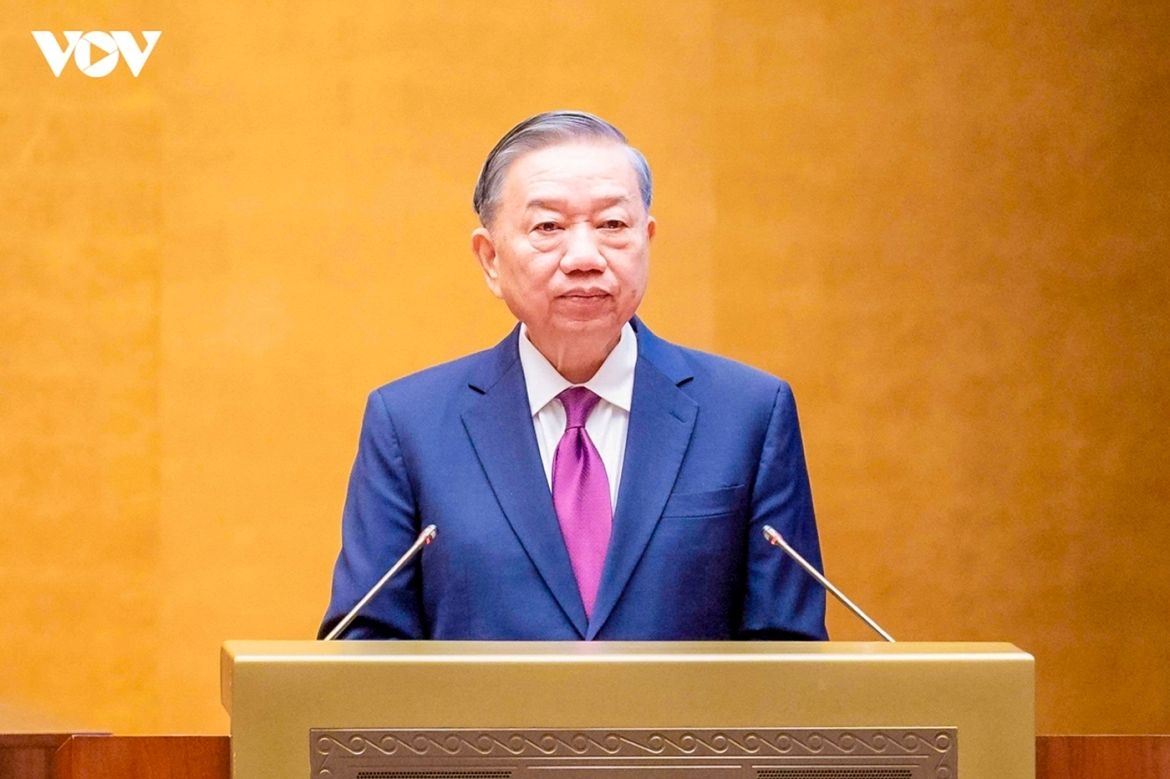
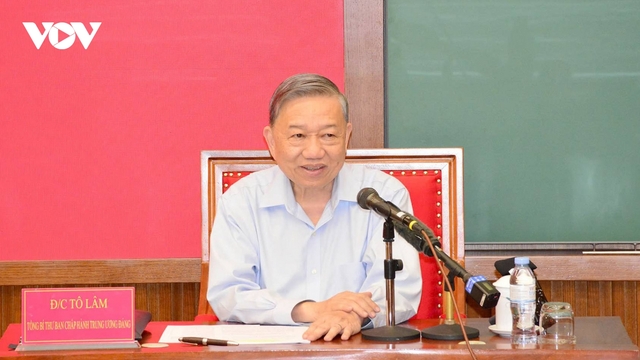
The country's development vision has since evolved further. Addressing a national conference to implement the resolutions of the third plenum of the 14th Party Central Committee, Party General Secretary and State President To Lam stressed the need to shift from a reactive approach focused on disaster response toward proactive forecasting, prevention, climate adaptation and resilience building.
That vision was further reinforced by the Politburo’s Conclusion 75 on environmental protection and climate change adaptation.
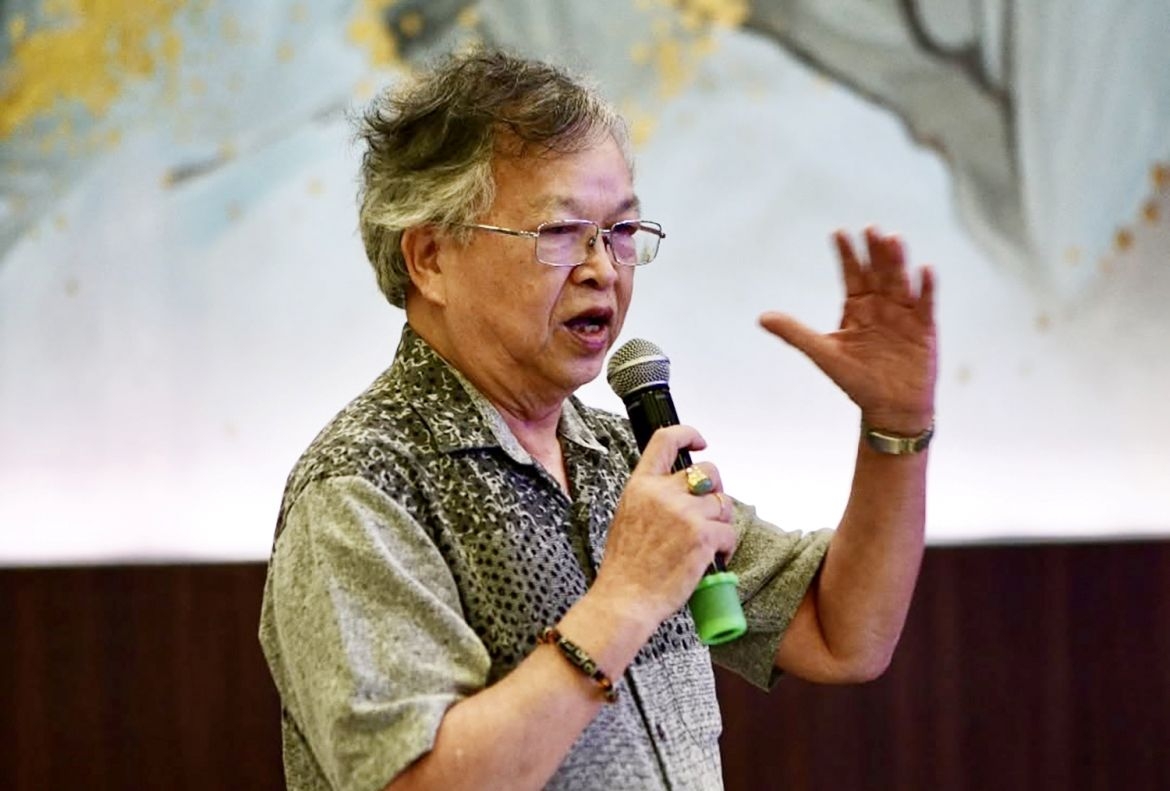
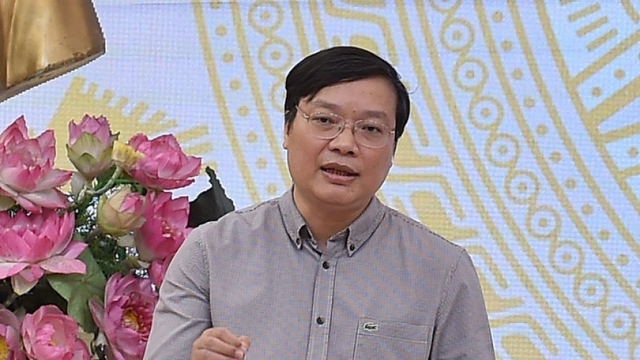
According to Dr. To Van Truong, former director of the Southern Institute for Water Resources Planning, these policies represent an important shift in Vietnam's development thinking.
The Party's latest policy orientation places science and technology, innovation, digital transformation and green transition at the heart of Vietnam's long-term development strategy, supporting the country's ambition to become a developed nation by the middle of the century, he analysed.
Beyond fulfilling international climate commitments, green growth is set to unlock new opportunities in renewable energy, ecological agriculture, circular economy industries, advanced manufacturing and green services.
These emerging sectors, he said, could help Vietnam generate higher value-added products, reduce dependence on natural resource exploitation and strengthen its integration into global value chains.
Dr. Truong believed Vietnam should focus on three key priorities to successfully advance its green growth agenda.
The first is strengthening the institutional framework. This includes accelerating the development of carbon markets, green finance, green bonds and other policy mechanisms that encourage investment in clean technologies. A transparent regulatory framework would improve businesses' access to long-term financing while helping exporters comply with increasingly demanding environmental standards under new-generation free trade agreements.
The second priority is placing science, technology and innovation at the centre of the transition. Modern technologies can simultaneously reduce emissions, improve energy efficiency and increase productivity. Equally important is developing a highly skilled workforce capable of supporting the emerging green economy.
The third is mobilising society as a whole. Green growth is not solely the responsibility of governments or businesses. It also depends on changes in consumer behavior, including waste sorting, energy conservation, sustainable consumption and environmentally friendly lifestyles.
Businesses will play the leading role in greening production, while the media can help promote successful models, encourage innovation and foster a culture of sustainable development across society.
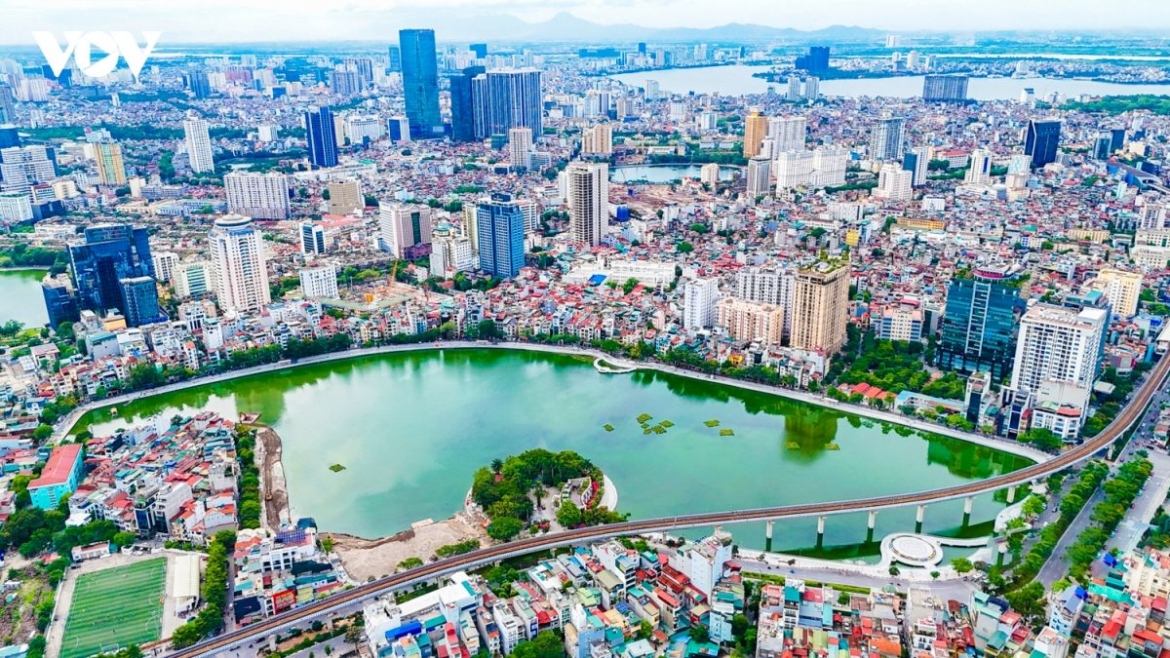
International experience suggests that no economy can sustain long-term growth by sacrificing environmental quality for short-term gains. Vietnam is no exception.
Achieving the country's ambition of becoming a high-income developed economy by 2045 will require a new growth model in which science and technology, innovation and the green transition serve as the principal engines of development.
Viewed from this perspective, green growth is no longer simply an environmental issue or the responsibility of a handful of pioneering businesses. It has become a strategic national choice.
Every policy that unlocks investment for green industries, every business that adopts cleaner technologies, every locality pursuing sustainable development and every citizen embracing more environmentally responsible habits contributes to strengthening Vietnam's long-term competitiveness.
Ultimately, the aspiration to build a prosperous and developed Vietnam will be measured not only by GDP growth, but also by environmental quality, climate resilience and the country's ability to achieve balanced, sustainable development.
By making green growth a central driver of economic transformation, Vietnam can not only meet its international climate commitments but also lay a stronger foundation for faster, more sustainable development and a more competitive position in the global economy. That, in turn, will bring the country's long-term development vision closer to reality.
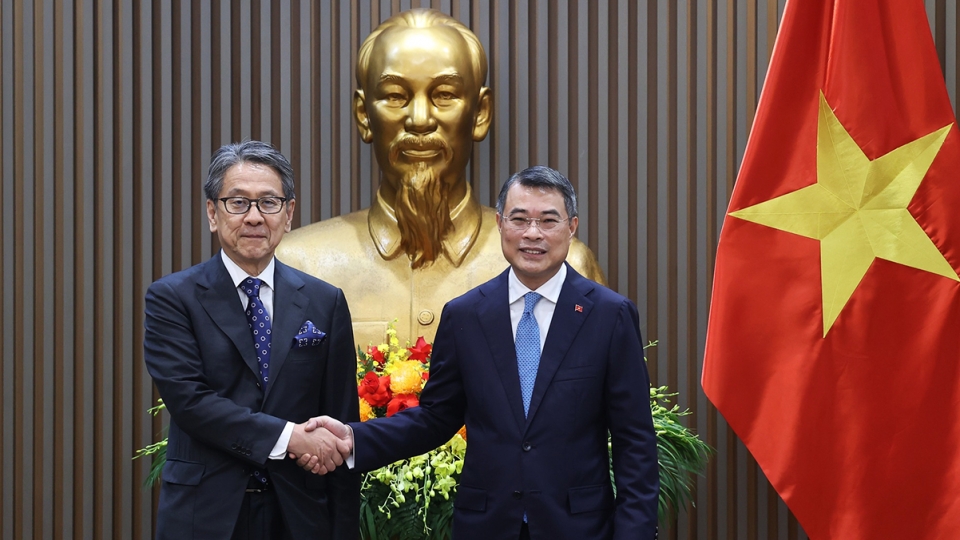
VOV.VN - Vietnam and the Japan Bank for International Cooperation (JBIC) will enhance cooperation in strategic industries, green growth and infrastructure development as Vietnam seeks to attract more private capital and advanced technologies.

VOV.VN - Smart energy infrastructure will play a pivotal role in Vietnam’s green transition, digital transformation and long-term sustainable development, experts, policymakers and business leaders said at the Smart Energy Infrastructure Development Forum held in Hanoi on June 24.

VOV.VN - Vietnam and Singapore are seeking to build a model partnership for a new era in which national competitiveness is shaped not only by trade or investment flows, but increasingly by technology, innovation, clean energy and regional connectivity.

VOV.VN - Vietnam is entering a new phase in which green transition is no longer viewed solely as an environmental goal, but as a strategic requirement to enhance competitiveness and reshape the country’s growth model, officials and experts said at the launch of Green Transition Day 2026 held in Hanoi on May 16.





.JPG&w=640&q=100)







Bình luận
Bình luận của bạn sẽ được xét duyệt trước khi đăng