
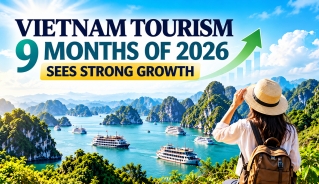
Vietnam tourism sees strong growth in first nine months of 2026
VOV.VN - Vietnam welcomed 17.7 million international visitors in the first nine months of 2026, up 14.5% year on year and reaching nearly 71% of the full-year target.

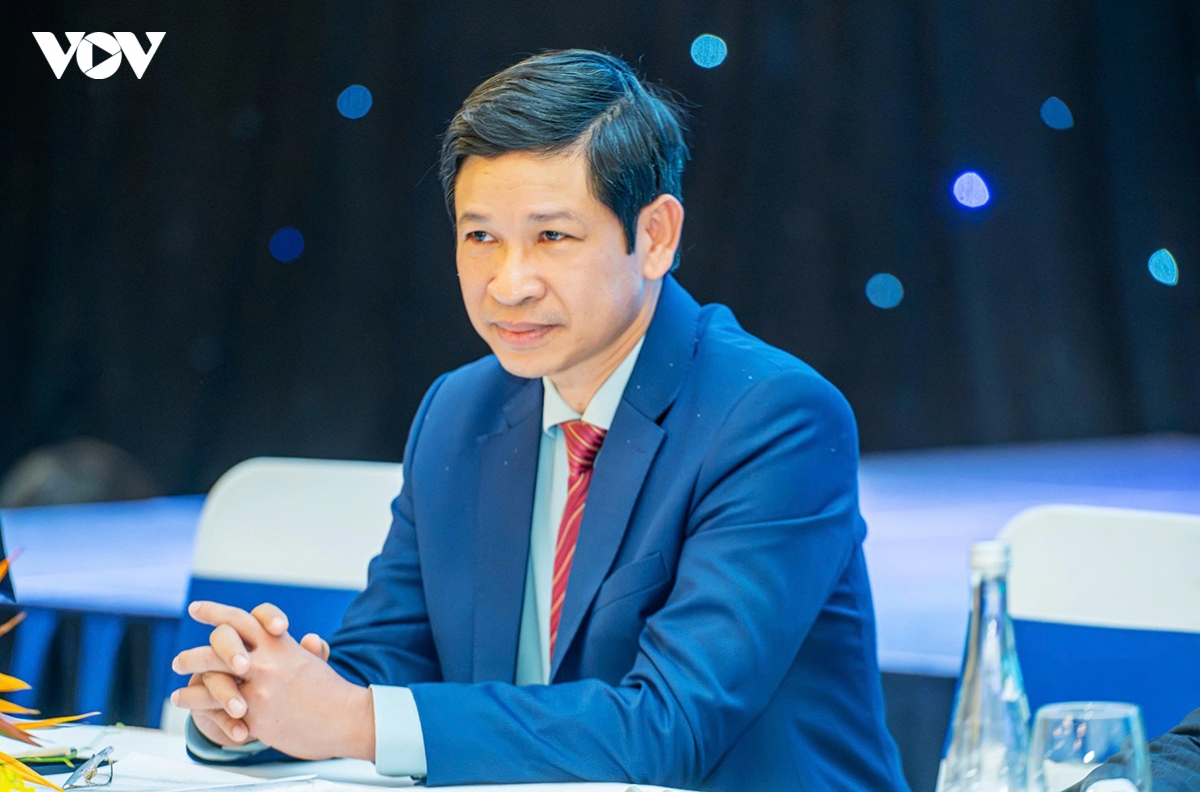
VOV.VN - Vietnam is shifting its tourism strategy beyond visitor numbers towards higher-value growth, with greater emphasis on revenue, visitor satisfaction, repeat visits, stronger businesses and greater benefits for local communities, Deputy Minister of Culture, Sports and Tourism Ho An Phong has said.
Vietnam’s tourism industry is entering a new phase in which growth is expected to be measured not only by the number of visitors but also by the value they generate for the economy, businesses and local communities.
The shift is at the heart of the restructuring required under Politburo Resolution No. 26-NQ/TW, dated August 22, 2026, on developing tourism into a spearhead economic sector in the new era. The resolution calls for a stronger focus on quality, efficiency, value added and international competitiveness, with tourism development moving from a volume-based model towards one that is quality-driven, smart, green and innovative.
Ho An Phong, Deputy Minister of Culture, Sports and Tourism, saw the change as a broader rethink of how the industry defines success.
“Restructuring means moving beyond visitor numbers and paying greater attention to the value tourism generates, including total revenue, profits from tourists, benefits for local communities and other tourism stakeholders, as well as visitor satisfaction and the likelihood of international tourists returning,” he told VOV in a recent interview.
The approach also puts greater weight on the development and resilience of tourism businesses, particularly their ability to build strong brands and compete in international markets.
This means that attracting more visitors is only one part of the equation. The quality of tourism products, visitor spending, length of stay, satisfaction and repeat visits increasingly matter alongside headline arrival figures.
The change also requires a broad upgrade across the industry, from infrastructure and human resources to tourism promotion and destination branding.
“Tourism needs comprehensive renewal, from infrastructure and human resources to promotion and marketing, in order to strengthen destination brands,” Phong explained. “Improving service quality, building tourism communities and developing human resources are particularly important if the industry is to generate greater value.”
The direction is consistent with the goals set out in Resolution 26. By 2030, Vietnam aims for tourism to contribute directly 10–12% of GDP, attract 45–50 million international visitors and generate total tourism revenue of US$80–90 billion. The resolution also places greater emphasis on attracting high-spending, long-stay visitors.
The targets therefore point to a tourism model in which quality of growth matters alongside the scale of growth.
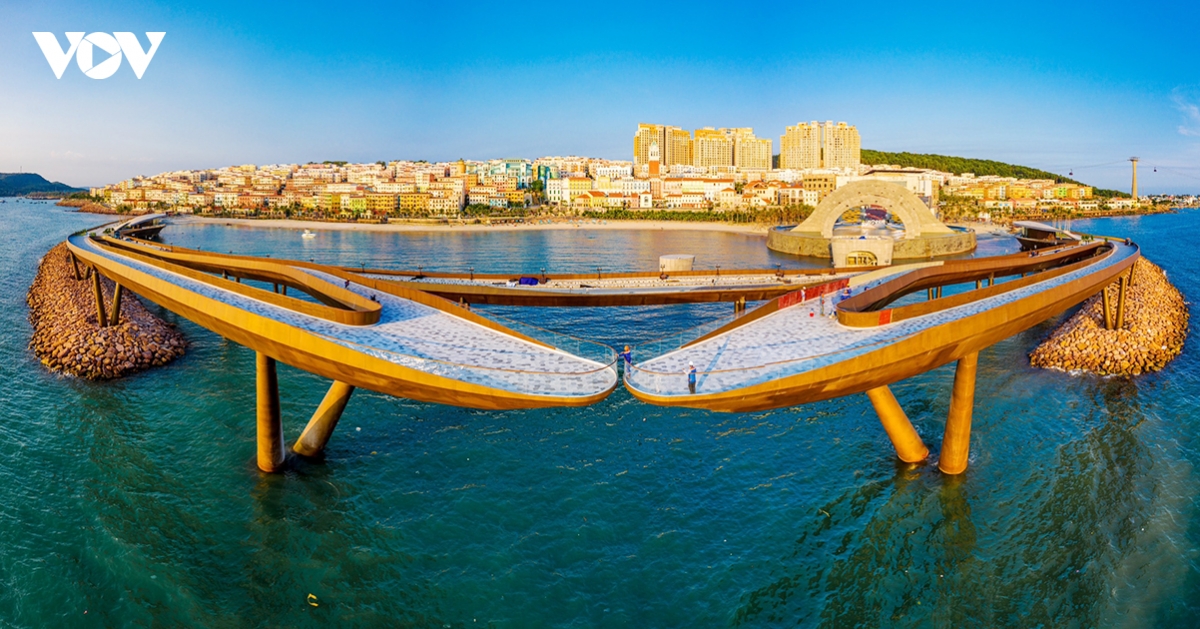
Creating greater value will depend heavily on what Vietnam offers visitors and how effectively the country connects those products with international demand.
Deputy Minister Ho An Phong placed culture and natural resources at the centre of product development, with greater attention to quality, sustainability and environmental protection.
“We need to develop high-quality and sustainable tourism products, protect the environment, take culture as the foundation and natural resources as a core value, and develop products that meet different market segments,” he analysed.
Rather than relying heavily on any single market, the official also suggested, Vietnam make better use of the potential in traditional markets such as Northeast Asia, Europe, the Americas and Southeast Asia, alongside developing new sources of visitors.
Direct air connections can support that expansion, but improving the visitor experience also requires more flexible and convenient administrative procedures.
The approach represents a shift from simply attracting tourists to building an ecosystem that makes travel to and within Vietnam easier, more convenient and more rewarding.
Digital transformation can reinforce that process by changing the way tourism products are distributed and sold. Phong pointed to a shift from traditional business-to-business travel distribution towards more direct-to-consumer models, with travel businesses making greater use of digital platforms to reach visitors. This also changes the role of tourism promotion.
National, destination and business brands need to work together rather than being promoted separately. The State can provide direction and act as a bridge, businesses are the main commercial actors, and destinations provide the setting in which the tourism experience is created.
“We need to combine the national brand with businesses’ products and connect destination brands with the individual stakeholders behind them,” he explained. “This can help create distinctive emerging destinations and bring local culture into the tourism experience, building a national brand that is strong, distinctive and competitive internationally.”
The approach also fits the broader direction of Resolution 26, which identifies cultural identity and quality of experience as competitive advantages and calls for stronger links between tourism and other parts of the economy.
For Vietnam, this means that destination branding cannot rely on promotion alone. A stronger international brand ultimately depends on the quality of the products, services and experiences that visitors encounter.
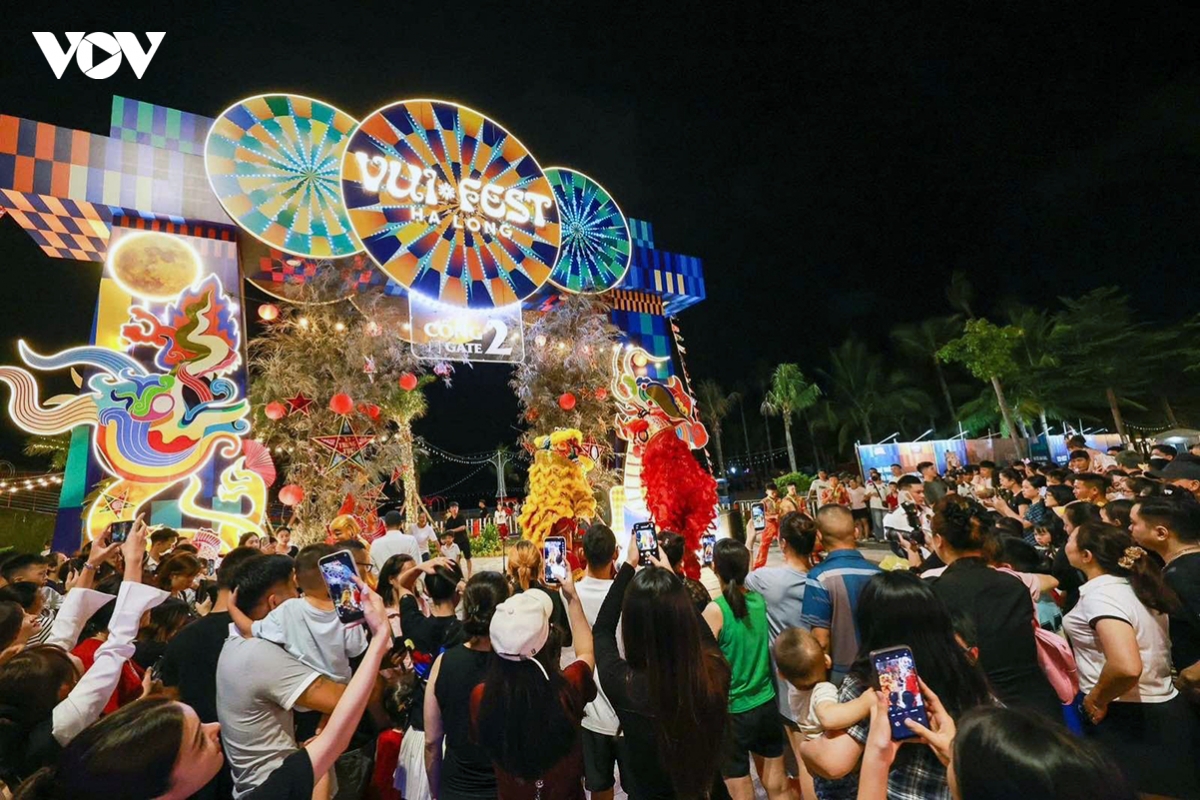
The transition towards higher-value tourism also requires stronger companies capable of investing, creating products, building brands and competing beyond the domestic market.
Vietnam has a large number of tourism and travel businesses, but many are small or medium-sized and lack the scale and capacity needed for international competition.
Resolution 26 sets a target of developing 15 tourism groups and corporations with strong brands and international competitiveness by 2030.
For Deputy Minister Ho An Phong, achieving that target requires more than simply encouraging businesses to grow. It calls for a stronger institutional and investment environment.
The first task is to translate the Party’s policy direction into a more effective legal framework, including comprehensive amendments to the Law on Tourism. Other issues include access to tourism resources, investment, infrastructure, connectivity and human resources.
“We need comprehensive renewal, stronger mechanisms and a more open business environment to develop enterprises with stronger linkages, create product and value chains, and raise the profile of Vietnamese tourism,” he explained.
This emphasis on business linkages is important because higher tourism value is not created by individual companies operating in isolation. It depends on connections between travel businesses, transport providers, accommodation, food services, entertainment, cultural products and local communities.
A stronger value chain can help retain more economic benefits within destinations and allow Vietnamese businesses to participate more deeply in the tourism economy.
Quang Ninh offers one example of the destination-led approach envisaged by the strategy. The city has benefited from its natural resources, heritage and cultural assets, but Deputy Minister Ho An Phong believed its potential extends considerably further. With stronger infrastructure, greater private-sector investment and broader community participation, the destination can develop at a higher level.
“Developing Vietnamese tourism does not mean creating one generic Vietnam. We need attractive destinations,” he noted, pointing to Quang Ninh’s potential to become an increasingly prominent destination on the global tourism map.
The example illustrates a wider principle for the industry. National tourism competitiveness is built from the strength of individual destinations, products and businesses.
For Vietnam, the next stage of tourism development will therefore depend on how effectively these elements can be connected into a stronger value chain. Better products can attract higher-value visitors; stronger brands can open new markets; digital platforms can improve access; and more capable businesses can turn visitor demand into greater economic value.
The ultimate measure of restructuring will not simply be how many people Vietnam welcomes, but how much value tourism creates and how widely that value is shared among businesses, communities and the wider economy.
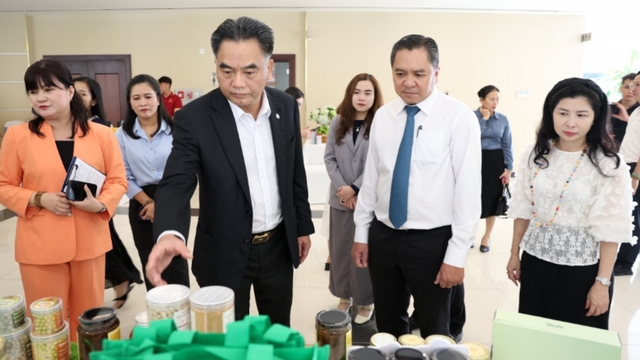
VOV.VN - Ho Chi Minh City is shifting its MICE (Meetings, Incentives, Conferences, and Exhibitions) tourism strategy from focusing on visitor group volume to generating high economic value, prioritizing specialized conferences and exhibitions linked to key economic sectors.

VOV.VN - A forest patrol experience in Cat Tien National Park is the only Vietnamese project shortlisted for the 2026 British Guild of Travel Writers (BGTW) International Tourism Awards, competing in the Best Wider World Tourism Project category.
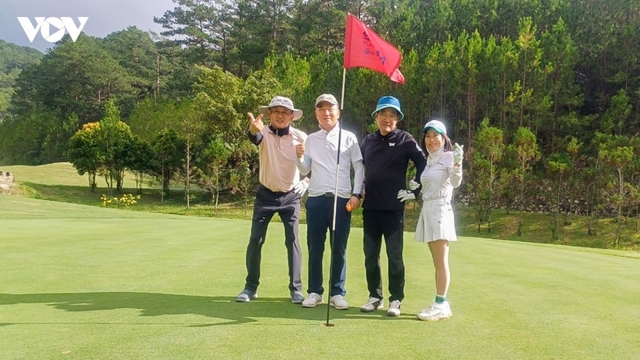
VOV.VN - Vietnam is emerging as one of the world’s fastest-growing golf markets, with internationally designed courses, new large-scale developments and competitive travel costs helping strengthen its appeal to international golfers, according to Bloomberg.




.JPG&w=640&q=100)







Bình luận
Bình luận của bạn sẽ được xét duyệt trước khi đăng