
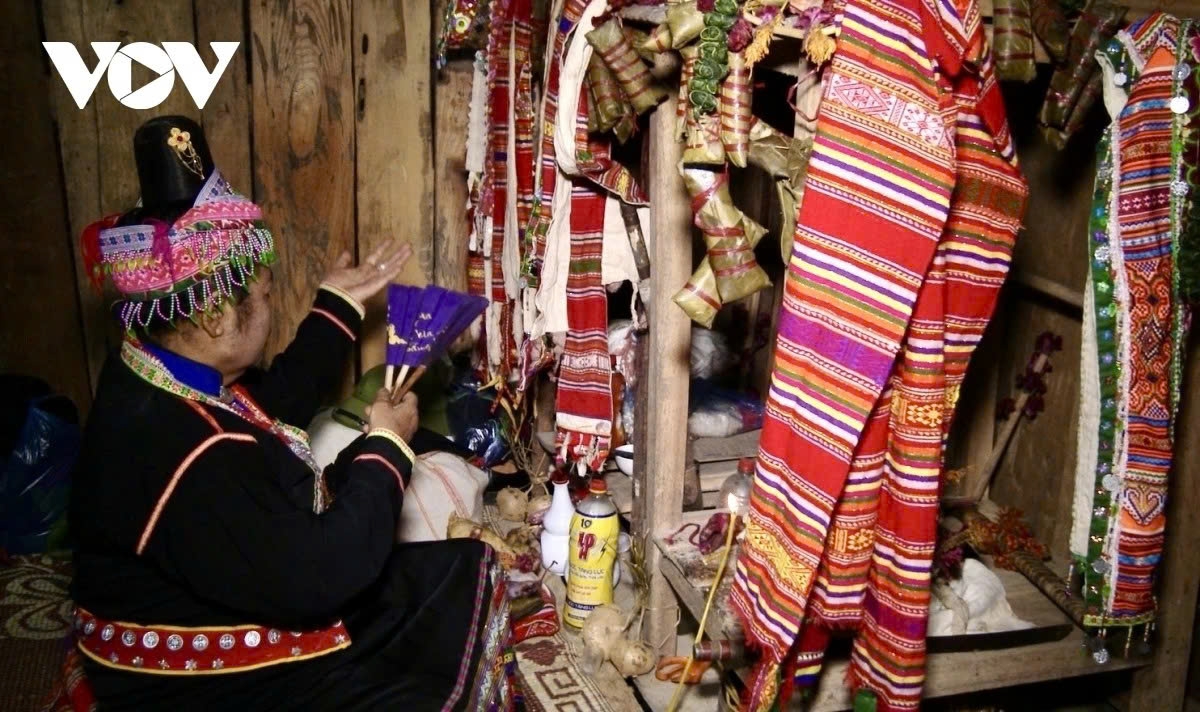

VOV.VN - More than a seasonal celebration, the Mah Grợ ritual of the Khơ Mú people is a living expression of indigenous belief, where agricultural cycles, ancestral gratitude, and community bonds converge in a sacred cultural practice passed down through generations.
Among the ethnic communities living in Son La province, the Khơ Mú people have preserved a rich system of spiritual practices closely tied to agriculture, family, and the natural world. At the heart of this cultural heritage is the Mah Grợ Ritual, a traditional ceremony expressing gratitude to ancestors and nature while praying for health, good fortune, and abundant harvests.
Mah Grợ is fundamentally a spiritual and agricultural ritual, traditionally performed at the completion of a farming cycle or at the beginning of a new one. Depending on local customs, the ritual may take place after the harvest toward the end of the year or in early spring, during the first or second lunar month, when villages inhabited by Khơ Mú ethnic people prepare to sow new seeds.
The ritual is usually hosted at the home of the most economically stable household or the village head, a symbolic choice representing prosperity and collective well-being. Although conducted by a single family, Mah Grợ is never a private affair; relatives and villagers are invited to witness and participate, reinforcing communal ties and shared spiritual beliefs.
Offerings prepared for the ritual typically include root crops and vegetables from the recent harvest, chickens, ducks or pigs, and jars of fermented rice wine - essential offerings presented to ancestors and spiritual beings.
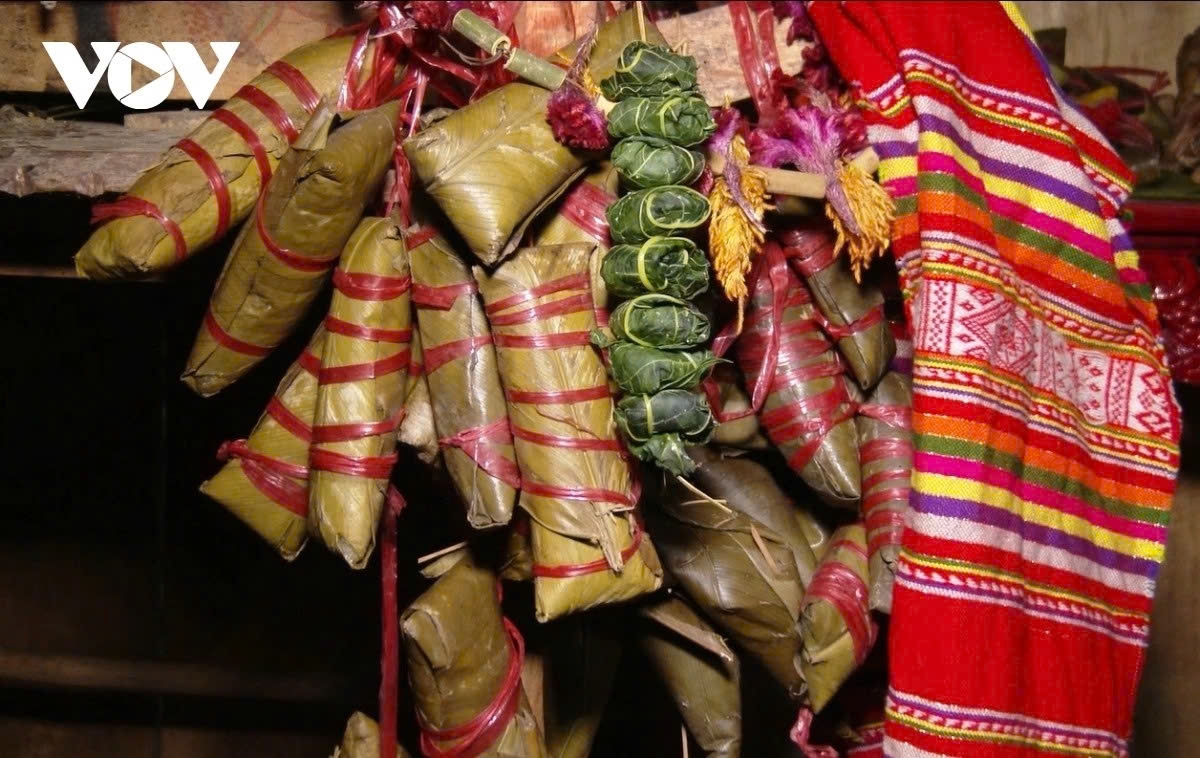
One of the most distinctive elements of the Mah Grợ ritual is the role of the “Mother of Rice”, performed by the female head of the host family. At dawn, dressed in traditional clothing and accompanied by her daughter, she goes to the family’s field to retrieve the last taro root of the season, along with taro leaves and dry firewood.
In local belief, crops such as taro and pumpkin symbolise the true essence of rice and grain. As she returns to the village, the “Mother of Rice” calls upon the spirit of rice, inviting it to leave the fields and return home to join the Mah Grợ ritual. This act represents the gathering of vitality, fertility, and prosperity for the coming year.
Upon arriving home, she calls the rice spirit once more before entering the house. The taro is then roasted in the hearth and eaten only by the “Mother of Rice,” reflecting a sacred taboo believed to protect the household from illness and misfortune. Traditional foods, including dried squirrel and rat meat, are prepared for subsequent offerings.
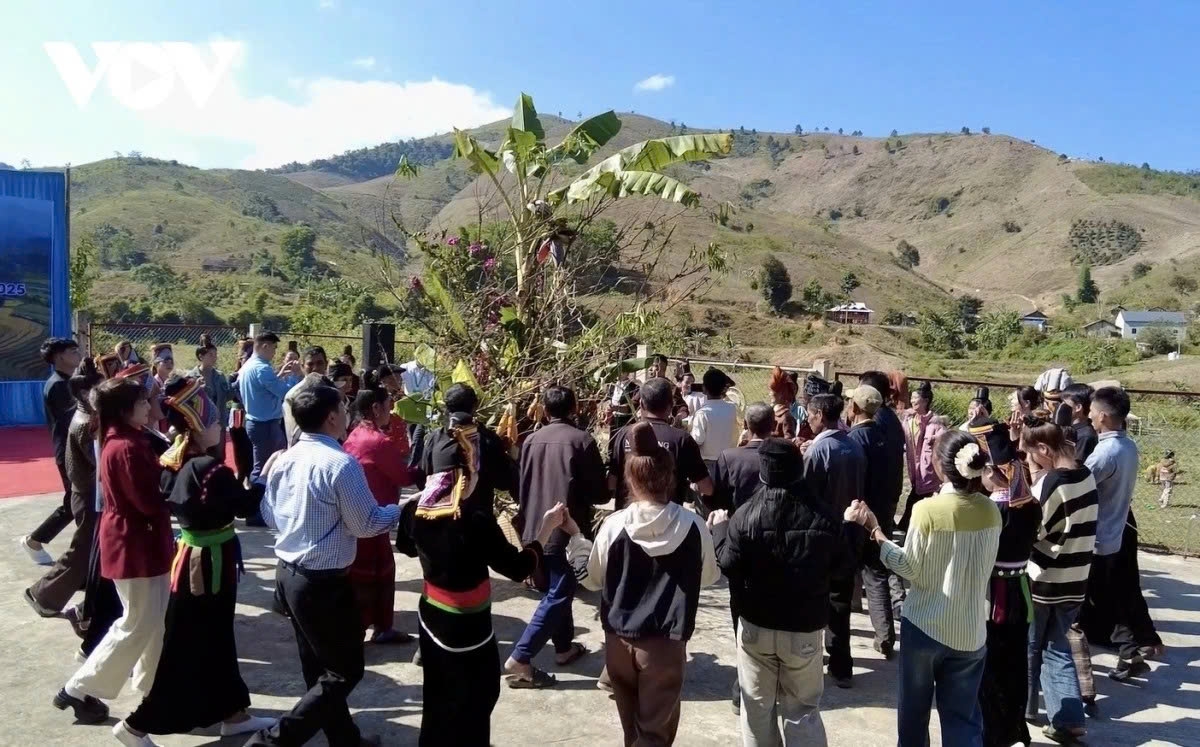
While the “Mother of Rice” performs her sacred duties, the male head of the household prepares the ancestral altar. Bamboo strips are woven into a Ta leo panel, symbolising a renewed spiritual dwelling for the household spirits.
Chickens are sacrificed in a sequence of ritual acts imbued with symbolic meaning. The blood of the first chicken is applied to the knees of each family member, praying for strength and endurance in a year of labour across mountainous terrain. The second offering blesses the granary and food stores, expressing the wish for even better harvests in the coming season. The third is dedicated to the family’s buffalo, an indispensable agricultural companion, horns are adorned with forest flowers and whose back is covered with handwoven cloth as a sign of gratitude and respect.
After the ancestral worship, the Ta leo panel is placed near the altar, marking the renewal of the household’s spiritual space, similar in meaning to ancestral altar renewal practices among other Vietnamese communities.
Another intimate ritual follows, in which the host rolls small balls of freshly cooked sticky rice and gently places them in the hair of children. This act signifies that the children’s spirits are nourished with new rice, ensuring health, growth, and protection throughout the year.
Once the sacred rites are completed, Mah Grợ gradually transitions into a communal celebration. Cooked taro and pumpkin are brought into the centre of the house, initiating a playful custom in which participants lightly smear pieces of food onto one another’s clothing. Those who receive the most are believed to enjoy greater happiness and good fortune in the year ahead - a joyful expression comparable to water-splashing festivals in neighbouring Southeast Asian cultures.
The celebration continues with shared jars of rice wine, followed by traditional dances such as au eo and Vêr guông. Men and women, elders and youth, join hands in circular dances that symbolise unity, harmony, and continuity. Traditional costumes are worn with pride, transforming the ritual space into a living expression of Khơ Mú identity.
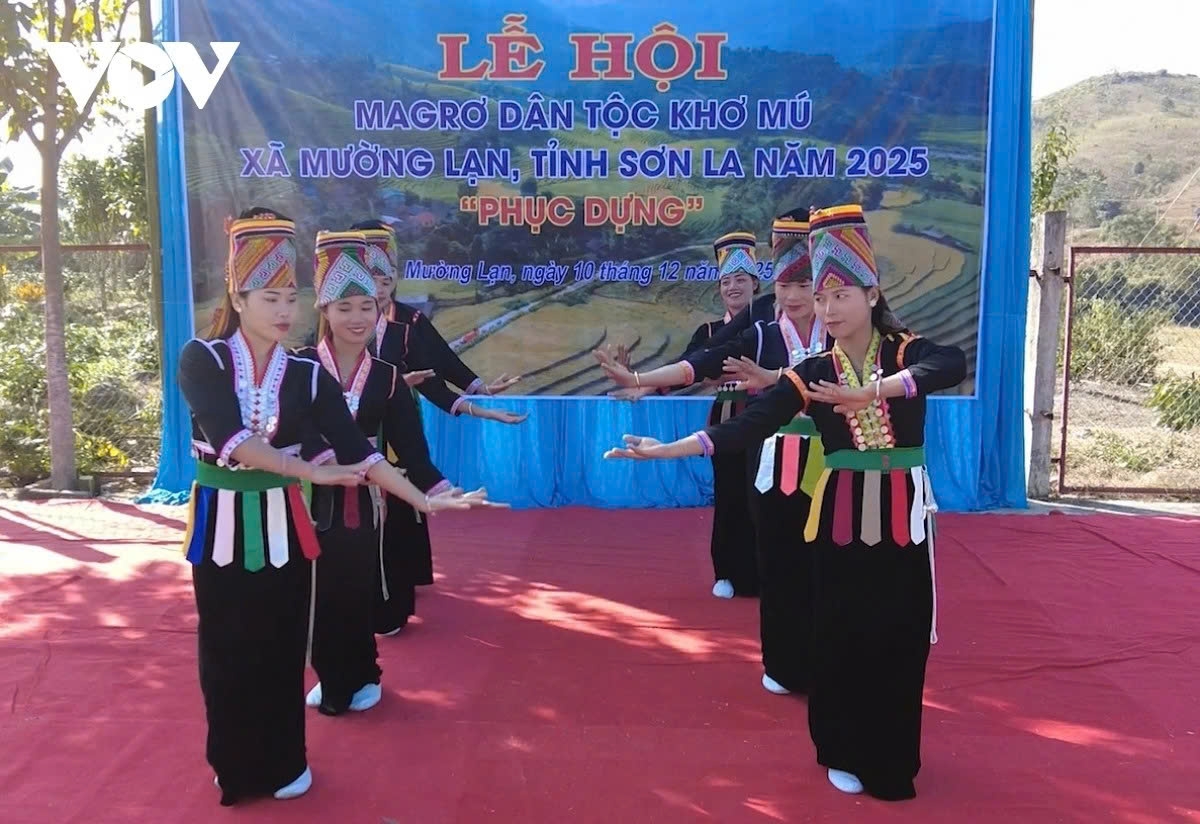
In recent years, local authorities in Muong Lan commune and other areas of Son La province have supported the revival and documentation of the Mah Grợ ritual, recognising its cultural significance and role in strengthening community life. With support from national cultural programmes, Mah Grợ is now also presented in broader cultural events, allowing wider audiences to better understand the spiritual worldview of the Khơ Mú people.
Efforts are underway to document the ritual and propose it for recognition as a National Intangible Cultural Heritage, ensuring that its values are transmitted to younger generations while remaining a living, practiced tradition rather than a staged performance.
Beyond its ceremonial form, Mah Grợ stands as a testament to the Khơ Mú people’s enduring relationship with land, ancestors, and community - a ritual that continues to nurture cultural identity in a rapidly changing world.
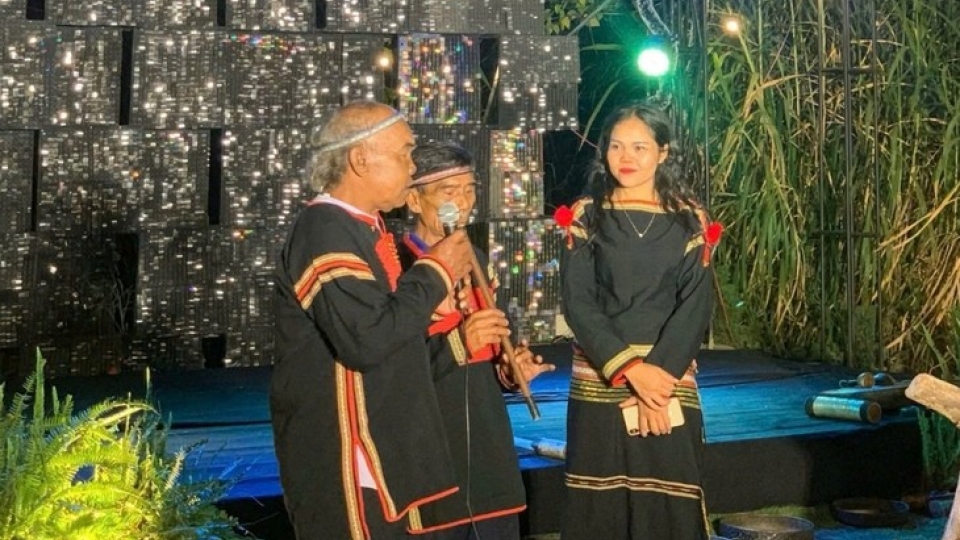
VOV.VN - Among the various folk singing genres of the E De ethnic group, Kut singing stands out for its poetic, metaphor-rich verses that express people’s inner feelings, much like heartfelt confessions.

VOV.VN - For a long time, the woven hat has become an indispensable item in the lives of the Ha Nhi people in the border district of Muong Nhe, Dien Bien province, northern Vietnam.

VOV.VN - Before each planting season, the Jarai ethnic community in Vietnam’s Central Highlands holds a traditional rice worship ceremony to pray for favourable weather, abundant crops and peaceful life.

VOV.VN - The Ho Su Cha New Year of the Ha Nhi ethnic group in Thu Lum commune, northern Lai Chau province, is a distinctive traditional festival that has been preserved and passed down through generations.





.JPG&w=640&q=100)





Bình luận
Bình luận của bạn sẽ được xét duyệt trước khi đăng