
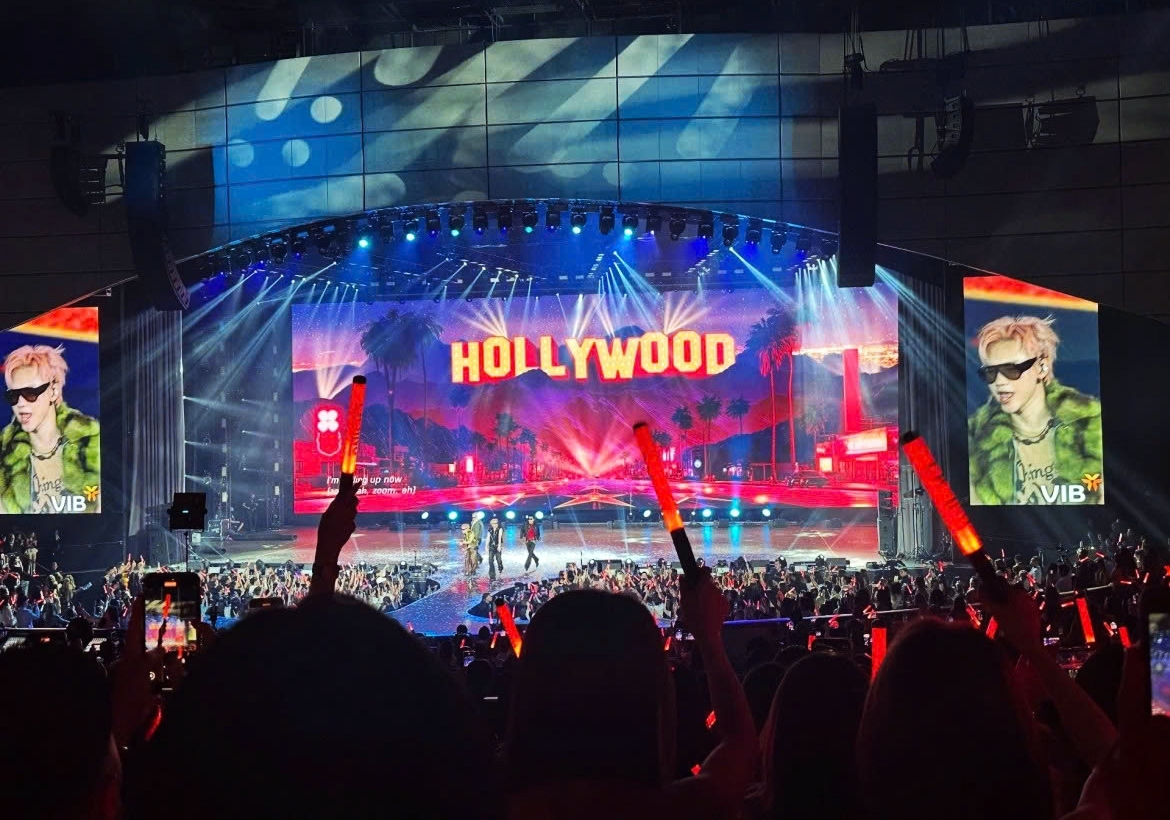

VOV.VN - After years of identifying cultural industries as a new engine of economic growth, Vietnam is now shifting its focus from recognising the sector’s potential to unlocking its commercial value on the global stage.
At the Ministry of Culture, Sports and Tourism’s six-month review conference for 2026 held recently in Hanoi, participants proposed fostering ‘cultural unicorns’ capable of generating original intellectual property (IP), building sustainable business ecosystems and competing internationally, as a key strategy for the industry’s next phase of development.
Presenting at the conference, Dinh Ba Thanh, founder and chairman of DatVietVAC, said Vietnam’s cultural industries need leading enterprises capable of driving the country’s creative ecosystem.
“Government policies can lay the foundation for an industry, but businesses are the ones that transform cultural values into products, services and economic value," he stressed. “Without cultural unicorns, Vietnam cannot build globally competitive cultural industries.”
Associate Professor Dr. Bui Hoai Son, a full-time member of the National Assembly’s Committee for Culture and Social Affairs, shared this view, saying the true value of cultural industries lies not only in creative products but also in ownership of original ideas and the ability to develop intellectual property into sustainable business ecosystems.
According to Thanh, the key distinction between content production and cultural industries lies in intellectual property ownership.
A television programme or film may generate revenue only through limited distribution. By contrast, IP ownership allows creative content to generate long-term value through fan communities, merchandise, digital platforms, commercial partnerships, live events and international licensing.
He argued that Vietnam’s cultural industries should be built on three core pillars, namely original creativity; intellectual property ownership; technology-driven global commercialisation.
Thanh cited the Republic of Korea as an example of how cultural industries can become a major economic driver.
He noted that the global success of K-Culture has been driven not only by celebrities and popular films but also by powerful companies capable of creating, managing and commercialising intellectual property across multiple sectors.
These companies invest in content creation while expanding value chains into music, film, fashion, tourism, consumer products and digital entertainment.
Such an ecosystem has helped create more than ten cultural-industry unicorns and has become one of the key pillars of the Republic of Korea's soft power, the DatVietVAC executive explained.
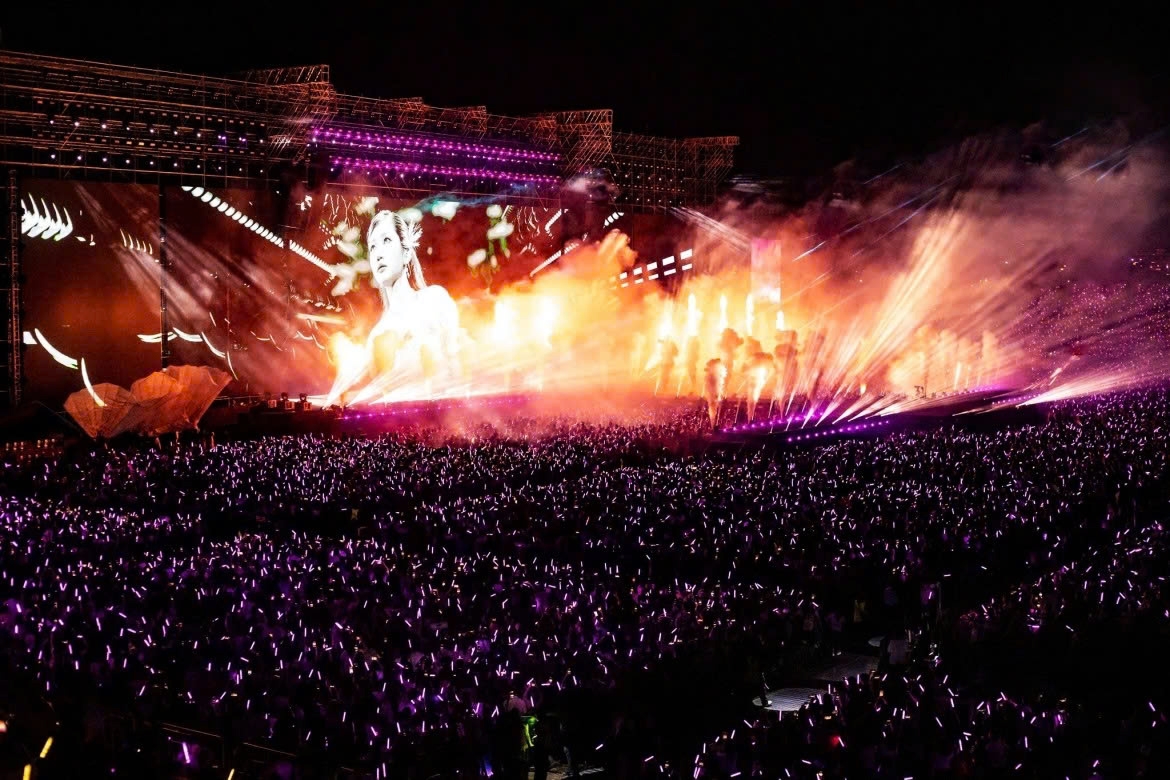
Vietnam possesses favourable conditions for developing cultural industries, including a population of more than 100 million, high internet penetration, a rapidly expanding digital content market and abundant cultural resources.
However, conference participants agreed that these advantages will not translate into global competitiveness without enterprises capable of managing the entire value chain, from content creation and IP ownership to commercialisation and international expansion.
Several proposals were introduced, including establishing mechanisms to identify and support promising private-sector enterprises that could become national champions for the cultural industries.
One proposal called for a comprehensive evaluation framework to select high-potential creative enterprises approaching a valuation of US$1 billion for recognition as National Brands.
Suggested assessment criteria include original creativity and IP ownership; digital innovation and technology adoption; and commercialisation capability and international market expansion.
The DatVietVAC executive also stressed the importance of businesses in linking local cultural resources with market demand, creating additional value for tourism, services and creative industries.
He cited Gia Lai province that is playing host to the National Tourism Year 2026, where the reality programme Say Hi Ruc Ro has helped introduce the province's landscapes, culture and people to wider audiences through digital platforms.
According to him, partnerships between businesses and local authorities can open new opportunities for developing cultural products, tourism services and digital content.
The discussions at the conference reflected a broader shift in Vietnam’s approach to cultural industries. Rather than focusing solely on artists or creative works, policymakers increasingly see competitive enterprises capable of developing, owning and commercialising intellectual property as the foundation for building a globally competitive creative economy.
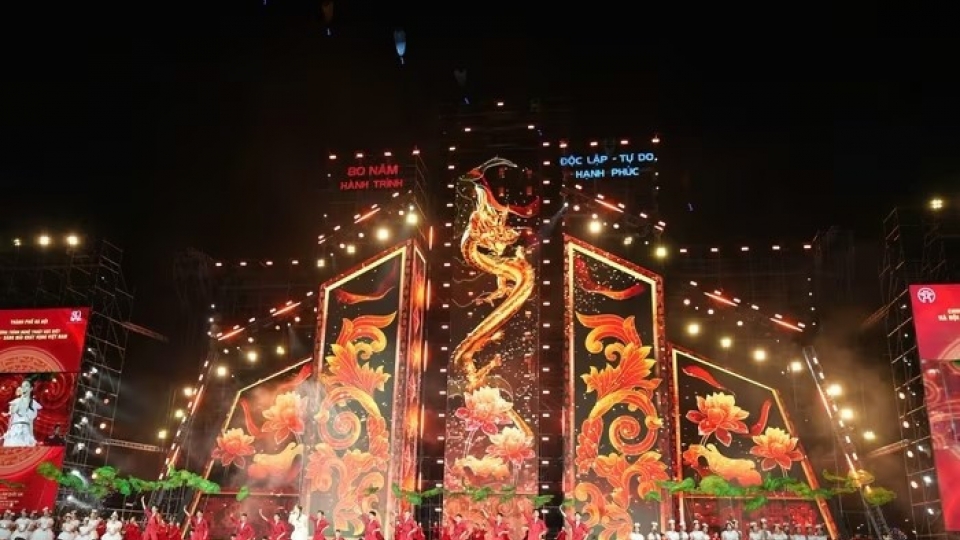
The 2021–2025 period marked a turning point for Vietnam’s cultural industries as film, music, cultural tourism and video games surged into a new era of scale and sophistication, delivering billions of US dollars in revenue and while projecting a more confident, compelling vision of Vietnamese soft power to the world.
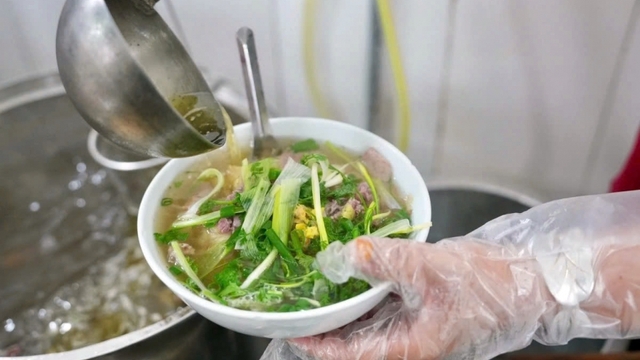
VOV.VN - Phở, Vietnam’s iconic noodle soup, is officially recognised as national heritage and is now emerging as a global cultural symbol in the creative economy.

VOV.VN - As digital transformation, digital technologies and artificial intelligence accelerate a global shift from resource-based growth toward knowledge and creativity-driven economies, cultural industries are increasingly seen as a sector capable of generating high value added, with broad spillover effects and close links to social life.
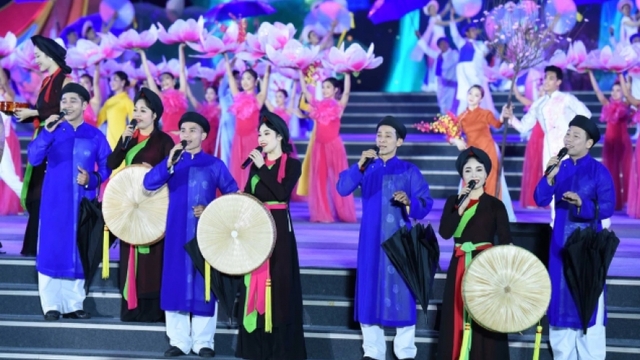
As the cultural industries emerge as a new growth engine for many economies worldwide, Vietnam’s recent release of a Strategy for the Development of Cultural Industries to 2030, with a vision to 2045, holds significant importance.

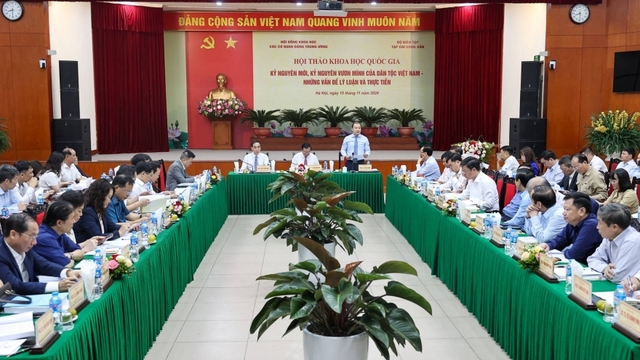





.JPG&w=640&q=100)







Bình luận
Bình luận của bạn sẽ được xét duyệt trước khi đăng