

VOV.VN - One year after Vietnam introduced its two-tier local government model, the new administrative structure has helped streamline governance, reduce bureaucratic layers and improve public service delivery in many localities.
However, officials and experts said the system remains a work in progress, with further institutional adjustments needed to address emerging challenges.
Implemented on July 1, 2025, the two-tier local government model was designed to simplify the administrative apparatus by eliminating the district level and strengthening provincial and commune-level administrations.
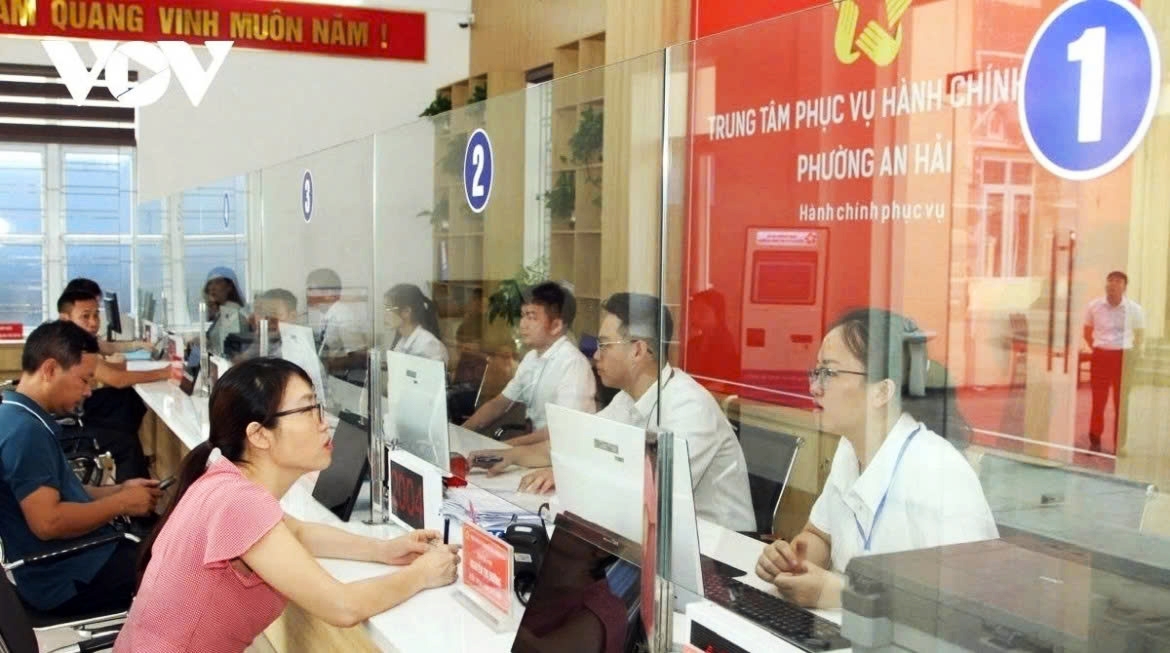
In many localities, the reduction of intermediary administrative layers has shortened processing times for administrative procedures while reducing overlapping responsibilities among government agencies.
Vu Van Ba, a business owner implementing an investment project in Gia Lai province, shared that administrative procedures have become noticeably faster under the new model, helping businesses save both time and costs.
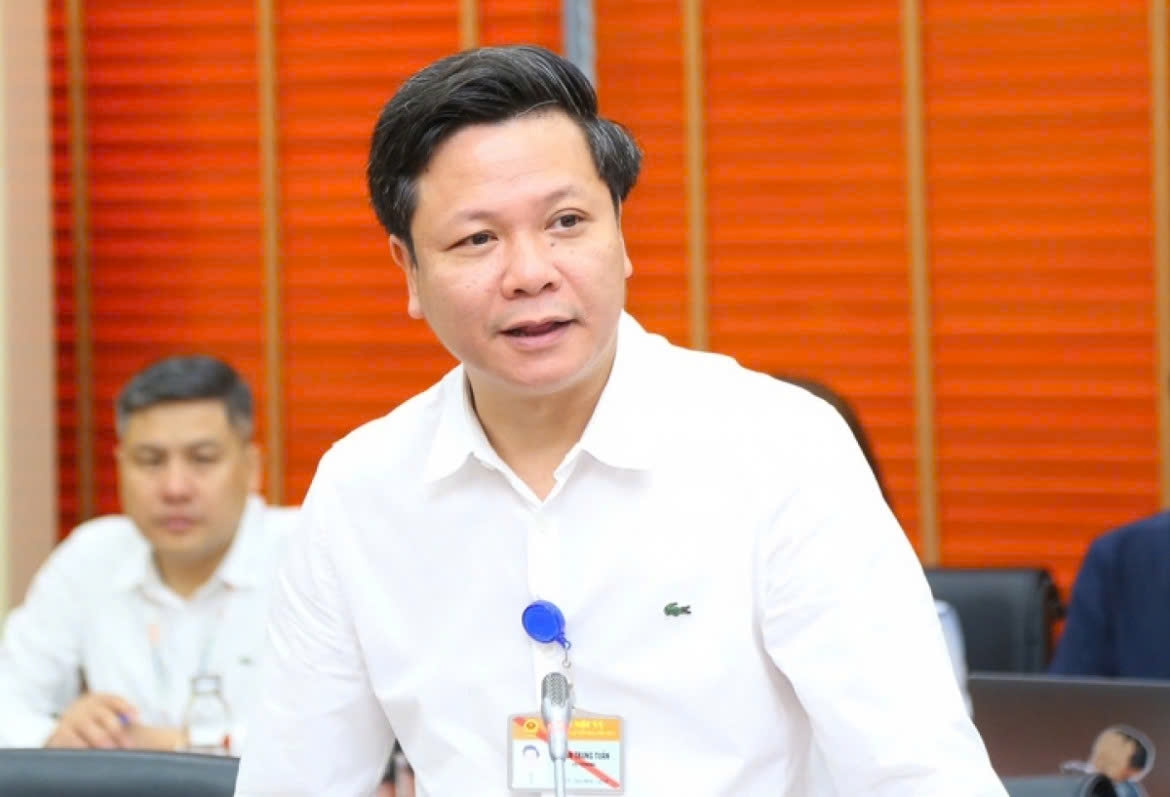
According to Phan Trung Tuan, director of the Department of Local Administration under the Ministry of Home Affairs, the reform is not merely about reducing the size of the bureaucracy.
“It also represents a shift from a management-oriented government toward a service-oriented and development-facilitating administration,” he said, adding that the model has improved services for both citizens and businesses.
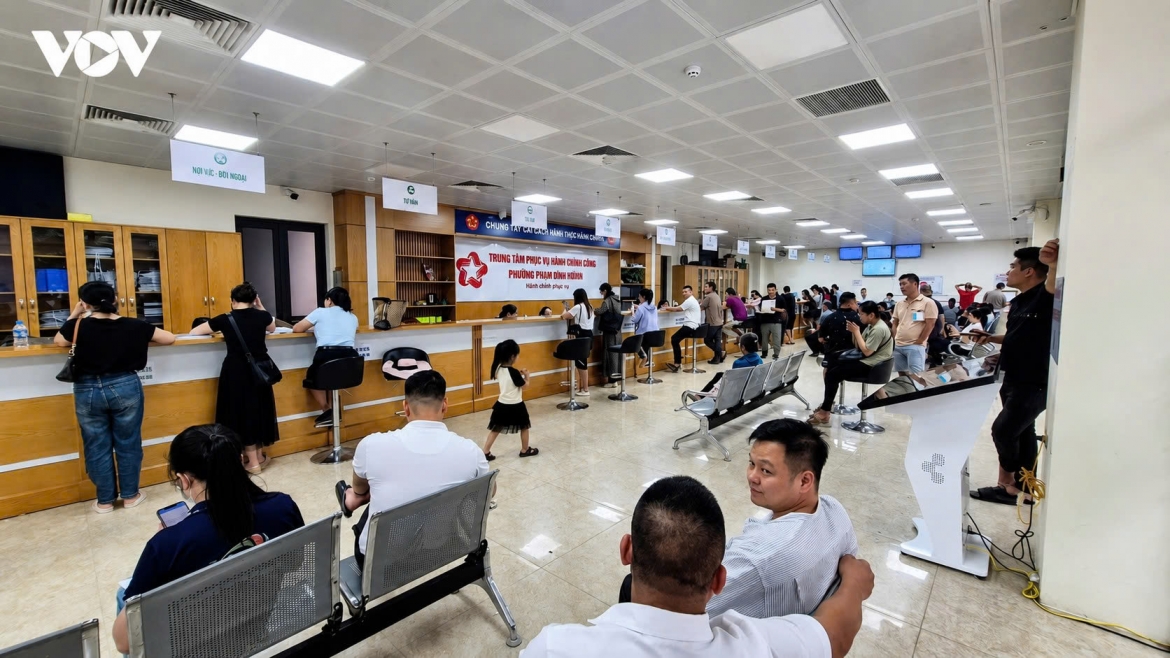
Despite these improvements, the reform has also placed significantly greater responsibilities on commune- and ward-level governments, which now handle a much broader range of administrative functions.
Nguyen Thi Nang Mai, deputy secretary of the Party Committee of Tay Tuu Ward in Hanoi, said her ward has a staff of 161 officials, but many departments are now responsible for substantially larger workloads across multiple policy areas.
According to Mai, the Party Building Office oversees 22 areas of responsibility, while the Economic, Infrastructure and Urban Affairs Office handles 14 major functions. Other divisions are responsible for between 10 and 12 specialised sectors, each comprising numerous administrative tasks.
“Thousands of state management responsibilities transferred to the grassroots level have significantly increased pressure on local officials, particularly as staffing and resources remain limited,” she pointed out.
Experts also identified human resource capacity as one of the biggest challenges facing the new governance model.
Dang Bich Ngoc, deputy head of the National Assembly delegation of Phu Tho province, said many commune-level officials hold university degrees but lack specialised training relevant to their newly assigned responsibilities.
As a result, many officials are struggling to manage the expanded workload, which now includes responsibilities previously handled by provincial departments.
From a policy perspective, Tran Anh Tuan, chairman of the Vietnam Association of Administrative Sciences, held that further institutional reforms are necessary to ensure the new model functions effectively.
In his view, some existing legal regulations still reflect the former three-tier administrative structure of province, district and commune, rather than the current two-tier system.
He added that while many responsibilities have been transferred to commune-level authorities, staffing arrangements, organisational structures and implementation capacity have not yet been fully aligned with the expanded mandate.
Tuan also suggested reviewing the organisation of specialised offices at the commune level to better match practical workloads and avoid excessive pressure or overlapping responsibilities.
Experts agreed that challenges encountered during the first year are to be expected in a reform of this scale.
They said identifying practical difficulties at the grassroots level will help policymakers further improve legal frameworks, institutional arrangements and administrative capacity.
After one year of implementation, Vietnam’s two-tier local government model has demonstrated initial success in streamlining administration, shortening procedures and strengthening local autonomy. However, experts believed its long-term effectiveness would depend on continued improvements in legislation, institutional design and the capacity of local governments.
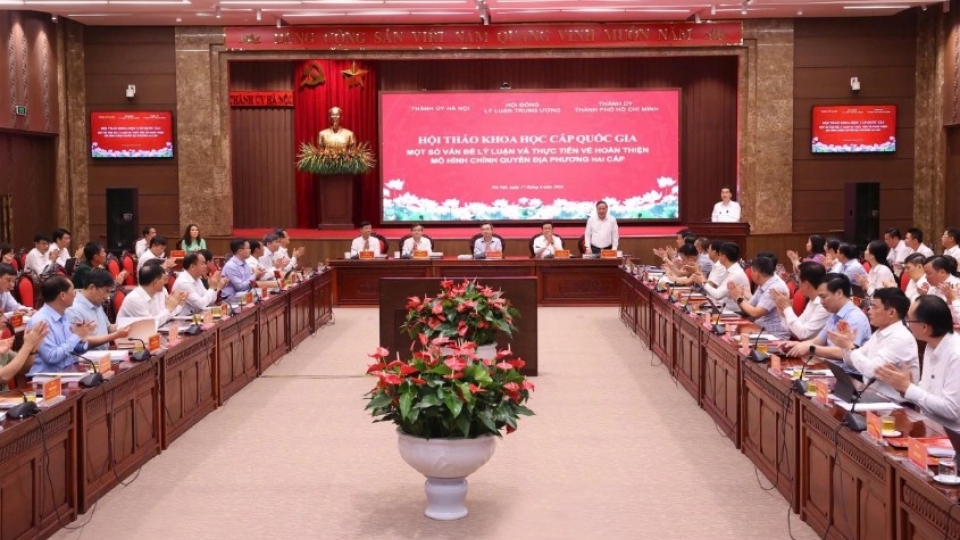
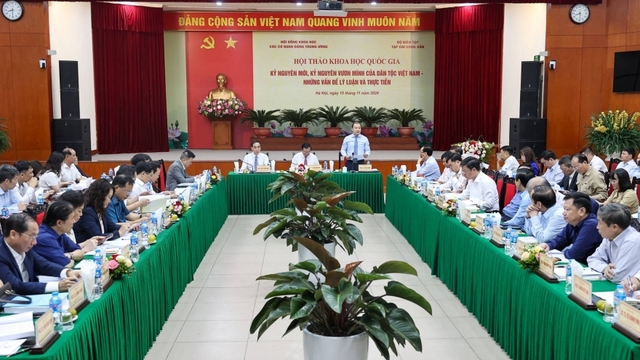
VOV.VN - A national symposium was held in Hanoi on June 17 to review nearly one year of operation of Vietnam's two-tier local government model and discuss measures to further refine the system.

VOV.VN - Vietnam’s two-tier local government model is a bold administrative reform effort that demonstrates the Vietnamese Government’s determination to streamline and simplify public administration.

VOV.VN - Vietnam will carry out a nationwide assessment of the effectiveness of its two-tier local government model after one year of implementation, as the country continues pushing forward administrative reform and state apparatus restructuring.

VOV.VN - Delegates at the 18th Congress of the Hanoi Party Committee have emphasized that science and technology, innovation, digital transformation, and the two-tier local government model are two breakthrough pillars boosting the capital’s rapid, sustainable, and modern development in the 2025-2030 period.




.JPG&w=640&q=100)








Bình luận
Bình luận của bạn sẽ được xét duyệt trước khi đăng