Three factors key to effective operation of two-tier local government model
VOV.VN - The effective operation of Vietnam’s two-tier local government model depends primarily on three factors: the quality of commune-level administrations, the capacity of officials and civil servants, and data-based digital governance capacity.
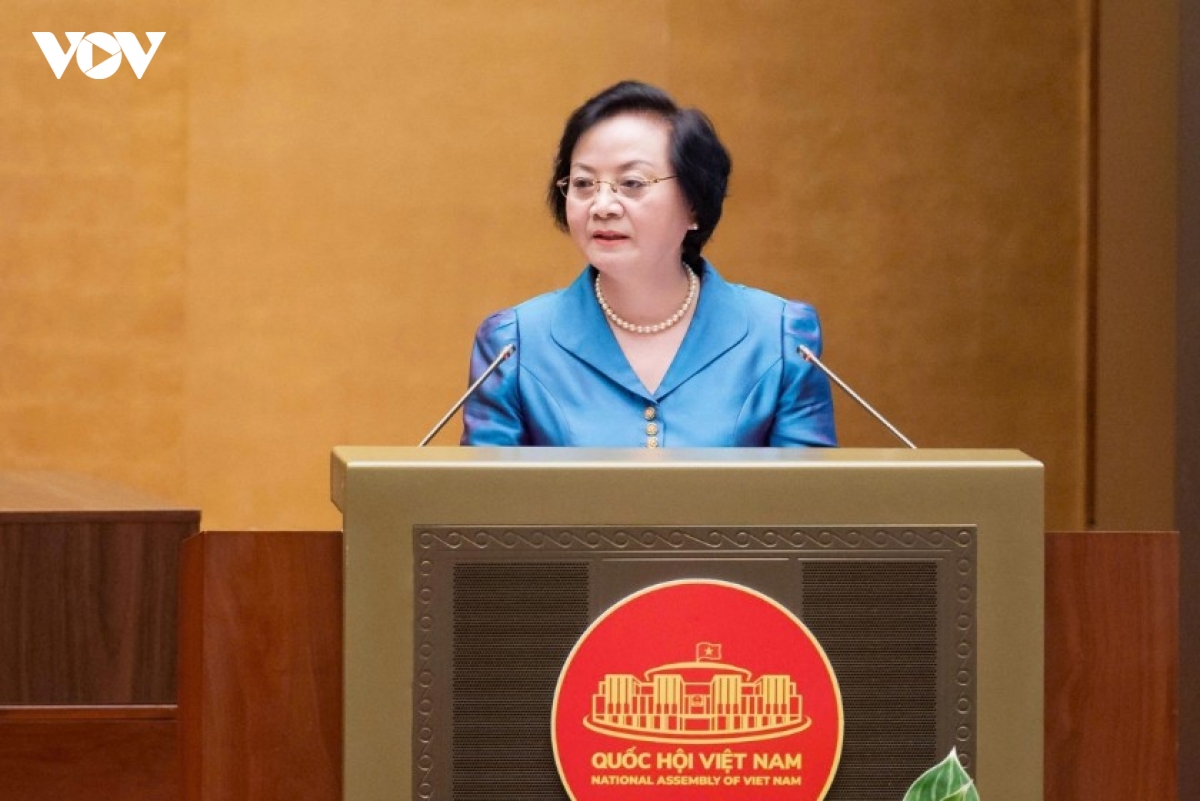
Deputy Prime Minister Pham Thi Thanh Tra speaks at the conference
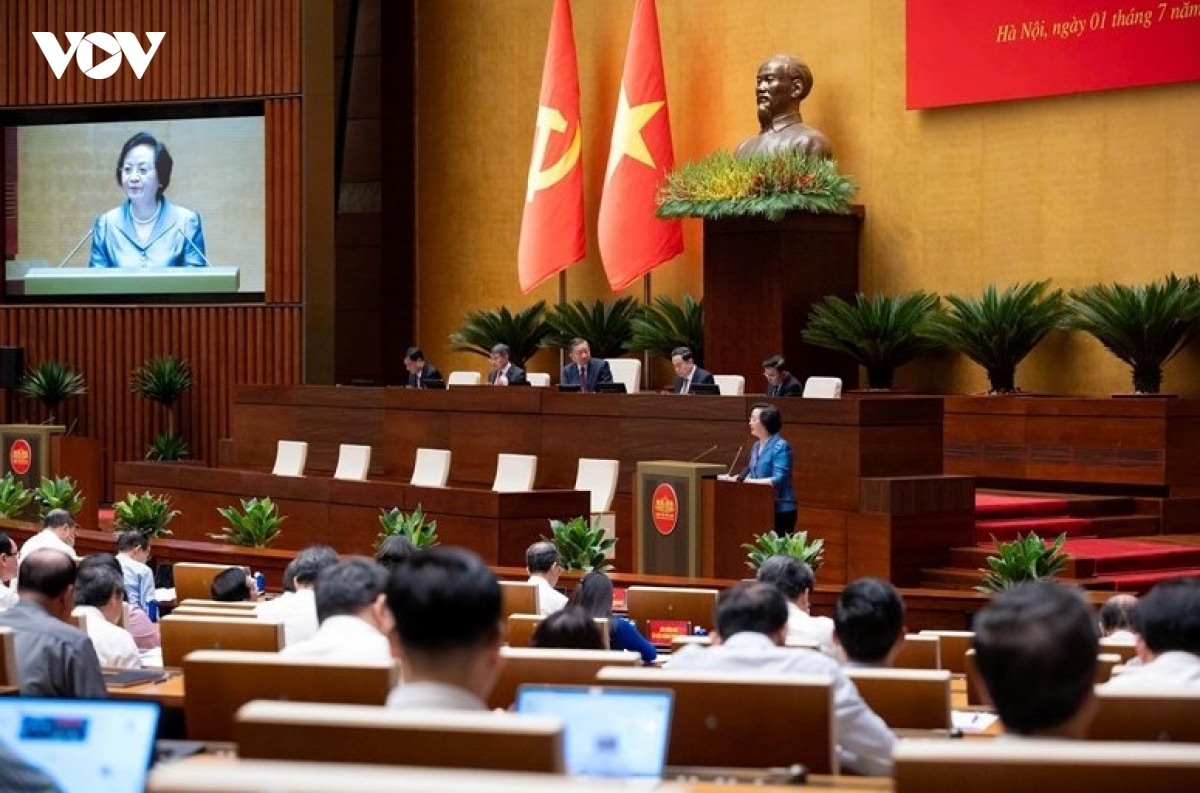
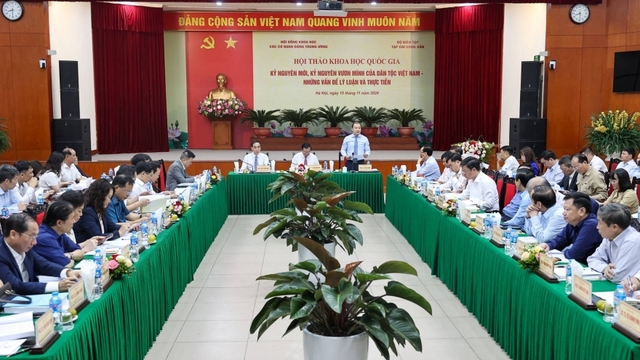
Deputy Prime Minister Pham Thi Thanh Tra made the remarks at a national conference reviewing one year of operations under the overall organizational model of the political system and the three-tier government model on July 1 in Hanoi.
Deputy PM Tra said the Party’s restructuring policy had been a correct and historic decision, opening up new development space, a development-oriented mindset and a strategic vision for the country in a new era.
Developments in 2025 and the first half of 2026 showed that despite a rapidly changing, complex and risk-filled global environment, Vietnam had maintained socio-economic stability, national defense, security and foreign affairs while achieving important results.
Many localities following administrative restructuring, had recorded positive progress and emerged as examples of development, Tra emphasized.
At the same time, the government acknowledged continued difficulties and bottlenecks in the operation of the political system and the three-tier government model that still need to be resolved.
The government had identified three priorities to build a streamlined, efficient and effective administration and help implement the 14th National Party Congress Resolution and the Politburo’s strategic resolutions. The first priority is improving institutions and enhancing implementation effectiveness, the Deputy PM went on.
Institutional reform combined with administrative procedure reform had been a key breakthrough over the past year. To date, the government has issued around 1,300 legal documents and reduced or simplified about 40% of administrative procedures and business conditions.
The proportion of administrative procedures directly handled by the government and central ministries and agencies has fallen to 27.4%, meeting and exceeding targets under Conclusion 18.
The government will continue improving institutions and administrative reform to support development, innovation, productivity and a transparent, stable and equitable investment and business environment.
It also plans to amend and supplement 49 laws in 2027 and address 21 outstanding issues related to the operation of the two-tier local government model.
She added that the main weakness now lies not in the lack of institutions but in implementation effectiveness. The government will continue clarifying responsibilities, shifting from task assignment to results-based management, strengthening data-based supervision, and using public satisfaction as a key measure of government performance.
The second priority is modernizing national governance by promoting decentralization, delegation of authority and digital transformation. After one year of implementation, the legal framework for decentralization and delegation has largely been completed.
Provincial-level governments are currently carrying out 1,382 tasks devolved by the central government, while local authorities are handling 79 tasks. At the commune level, authorities are currently responsible for 938 delegated tasks, excluding those further delegated by provincial governments.
The government will continue refining decentralization mechanisms linked to resource allocation, data, implementation tools and power oversight, while further clarifying responsibilities between the central and local levels.
The central government will focus on macro-level management, institutional development, strategic planning, coordination of major resources and national risk control, while local authorities will take greater responsibility for decision-making, implementation and accountability.
According to Tra, digital transformation remained a fundamental tool for modernizing governance and advancing the development of digital government, digital administration, digital society and digital citizenship.
The government will continue strengthening technology infrastructure and shared databases to support governance based on real-time data, evidence and results.
The third priority is improving development space and strengthening commune-level governance capacity. The government has instructed localities to continue reviewing and assessing development space following commune-level administrative restructuring, with the aim of creating commune-level urban administrative units, special urban units or commune-level special economic zones as local and regional growth drivers.
For areas where urban space, industrial zones or economic zones are fragmented or highly interconnected, the government will issue specific guidance, she said.
The government is also studying the restructuring of 705 administrative units that do not yet meet required standards, while ensuring alignment with cultural, historical, traditional, ethnic, religious and geographic factors, with completion targeted in 2026.
The government will also coordinate with the Party Central Committee’s Organization Commission and local authorities to develop criteria for specialized commune-level departments and continue streamlining administrative agencies and public service units.
Another priority is building a commune-level workforce capable of meeting new requirements, with particular focus on selecting qualified local leaders and improving professional capacity and governance skills.
The success of the two-tier local government model ultimately depends on the quality of commune-level administrations, the capability of officials and civil servants, and data-based governance capacity.
“If these three factors are carried out effectively, the two-tier local government model will operate more efficiently, helping improve the effectiveness and efficiency of the political system and laying the foundation for fast and sustainable national development in the time ahead,” Tra stressed.
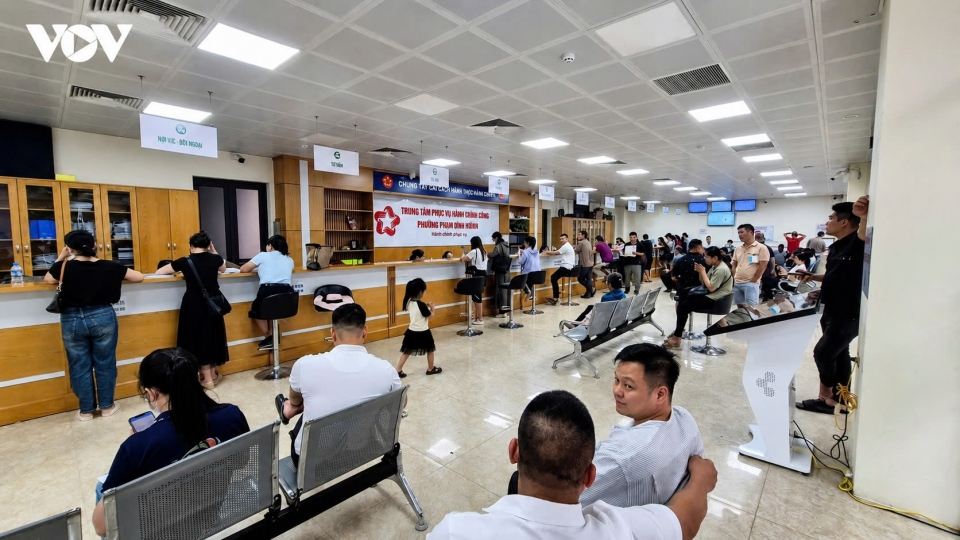
VOV.VN - One year after Vietnam introduced its two-tier local government model, the new administrative structure has helped streamline governance, reduce bureaucratic layers and improve public service delivery in many localities.
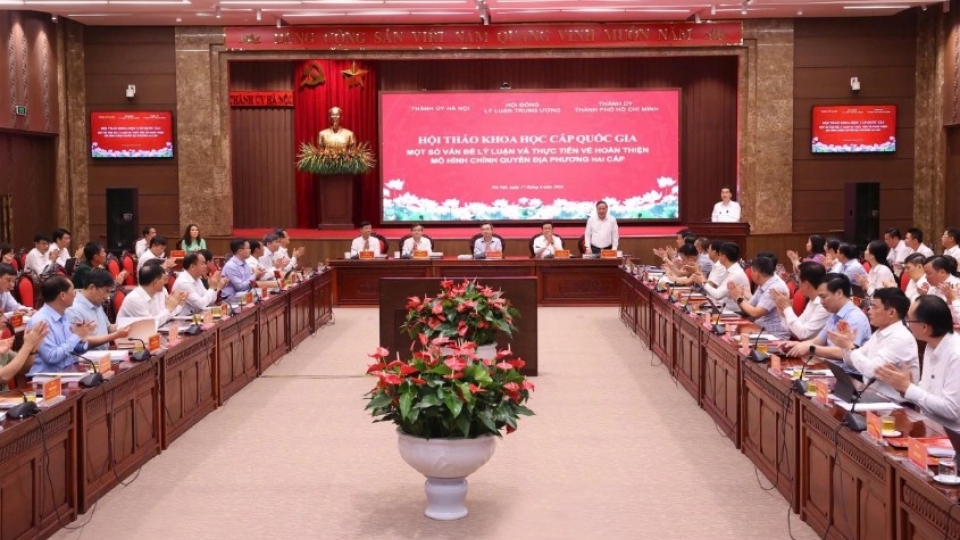
VOV.VN - A national symposium was held in Hanoi on June 17 to review nearly one year of operation of Vietnam's two-tier local government model and discuss measures to further refine the system.
VOV.VN - One year after Vietnam introduced its two-tier local government model, the new administrative structure has helped streamline governance, reduce bureaucratic layers and improve public service delivery in many localities.








.JPG&w=640&q=100)









Bình luận
Bình luận của bạn sẽ được xét duyệt trước khi đăng