
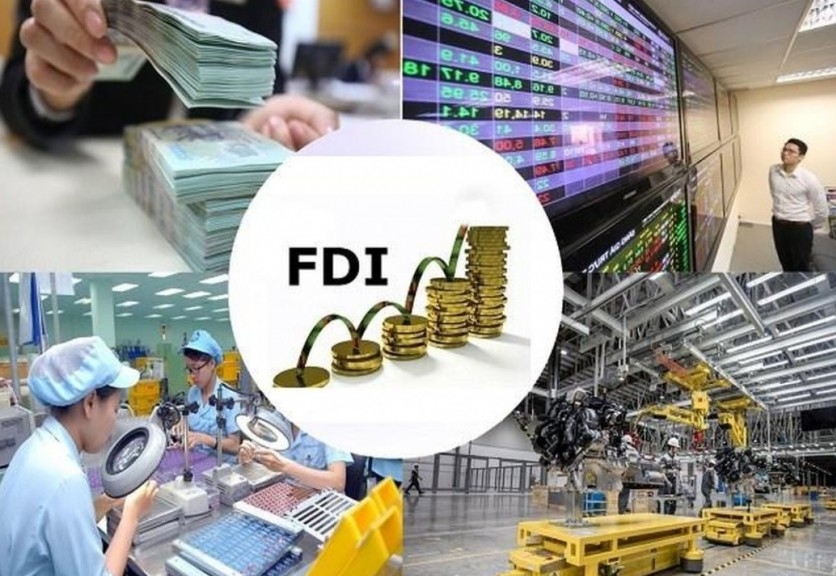

VOV.VN - Registered foreign direct investment (FDI) in Vietnam reached US$50.36 billion during the nine-month period 2026, marking a 76.4% increase year-on-year.
However, turning foreign capital into sustainable growth drivers requires accelerating technology transfer, deepening links with domestic enterprises, and prioritizing high-value-added projects.
Surging FDI, weak domestic linkages
Vietnam’s economy recorded positive momentum in the first nine months of 2026, with GDP expanding by 9.01% year-on-year. Amid this growth, FDI attraction remained a bright spot.
Vietnam’s economy recorded positive momentum in the first nine months of 2026, with GDP expanding by 9.01% year-on-year. Amid this growth, FDI attraction continued to be a bright spot.
According to the General Statistics Office, total registered FDI hit US$50.36 billion in the nine-month period, up 76.4% from a year earlier, while realized FDI reached US$21.07 billion, up 12.1% and hitting a five-year high.
Cumulatively through September 2026, Vietnam attracted over US$571 billion in registered FDI across more than 48,100 valid projects. Notably, large-scale projects in electronics, semiconductors, digital transformation, and artificial intelligence (AI) are opening opportunities to elevate Vietnam’s position in the global high-tech supply chain.
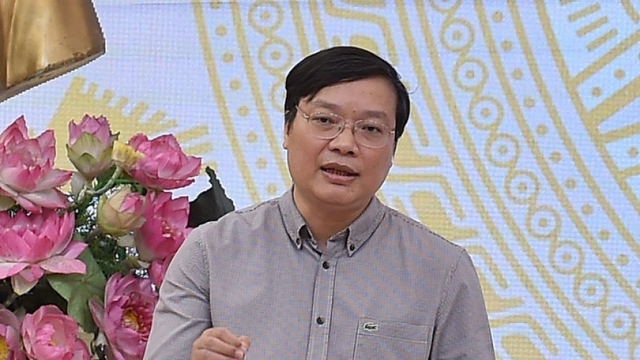
Deputy Minister of Finance Tran Quoc Phuong says that nearly 40 years of attracting FDI has supplemented investment resources, driven economic restructuring, expanded exports, and integrated Vietnam deeper into global value chains.
However, the quality and efficiency of FDI utilization remain below potential. Linkages between domestic enterprises and FDI firms remain limited, while technology transfer and research and development (R&D) fall short of expectations.
Bui Thu Thuy, Deputy Director-General of the Foreign Investment Agency under the Ministry of Finance, acknowledges that the majority of FDI projects remain concentrated on processing and assembly. The proportion of large-scale, high-tech projects with spillover effects and local supply chain linkages remains modest, keeping the sector's substantive contribution to GDP disproportionate.
This reality indicates that the FDI challenge is no longer merely about attracting capital, but about transforming investment resources into technological capacity, added value, and economic competitiveness.
Removing technology bottlenecks, boosting domestic ties
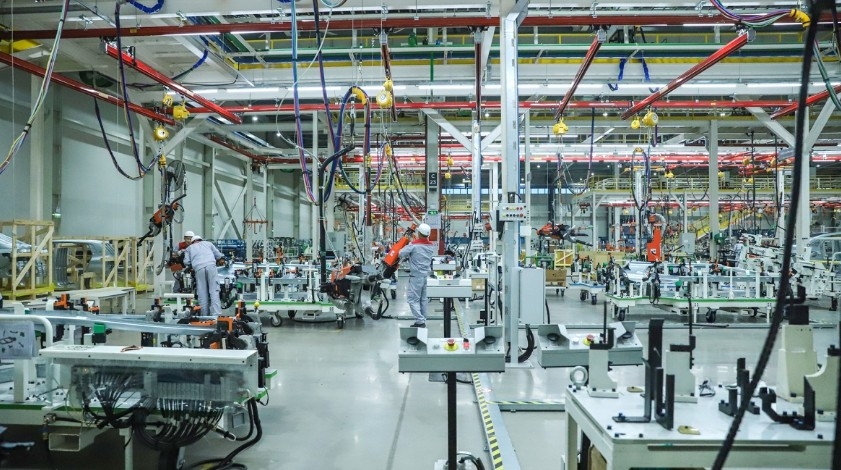
A major bottleneck is the low rate of technology transfer from FDI firms to domestic enterprises. Data from the Ministry of Science and Technology shows that transfer activities primarily revolve around technical support (77%), training (71%), and production processes (73%), whereas intellectual property (IP) transfers account for only 13%.
"This reality limits the absorption and technological upgrading capacity of domestic enterprises, a pivotal factor for driving growth based on internal knowledge and endogenous technology," Thuy points out.
According to Thuy, this stems from both sides. FDI enterprises often bring their established supplier ecosystems, hesitate to expand networks, and harbor doubts about the supply capabilities of Vietnamese firms.
Conversely, domestic enterprises, particularly small and medium-sized enterprises (SMEs), face gaps in technology, governance, quality standards, and supply capacity compared to multinational corporations' requirements.
"Policies supporting capacity building for domestic enterprises stipulated in the Law on Support for Small and Medium-Sized Enterprises and related industrial development policies have been issued, but implementation remains constrained. Adequate incentive mechanisms to enhance linkages between FDI and domestic investment have yet to deliver expected effectiveness," Thuy adds.
Attracting high-quality capital, boosting domestic capacity
To resolve these shortcomings, the Politburo issued Resolution No. 10 on developing foreign-invested economic sectors. The resolution marks a strategic shift in FDI attraction mindsets: prioritizing quality, efficiency, and spillover effects over sheer capital scale.
"Vietnam does not attract FDI at all costs, but selects partners to elevate its position in the global value chain. The country attracts FDI not to replace internal strengths, but to strengthen internal capabilities, productivity, technological competence, and economic competitiveness," Deputy Minister Tran Quoc Phuong stresses.
According to Ministry of Finance leadership, simultaneously developing the state economy, private economy, and FDI sector will build a solid foundation for achieving double-digit growth targets in the 2026-2030 period.
With foreign capital continuing to surge, Vietnam has an opportunity to solidify its position in global supply chains. Nevertheless, future FDI efficiency will depend entirely on turning investment capital into technology, added value, and competitive strength for domestic enterprises.
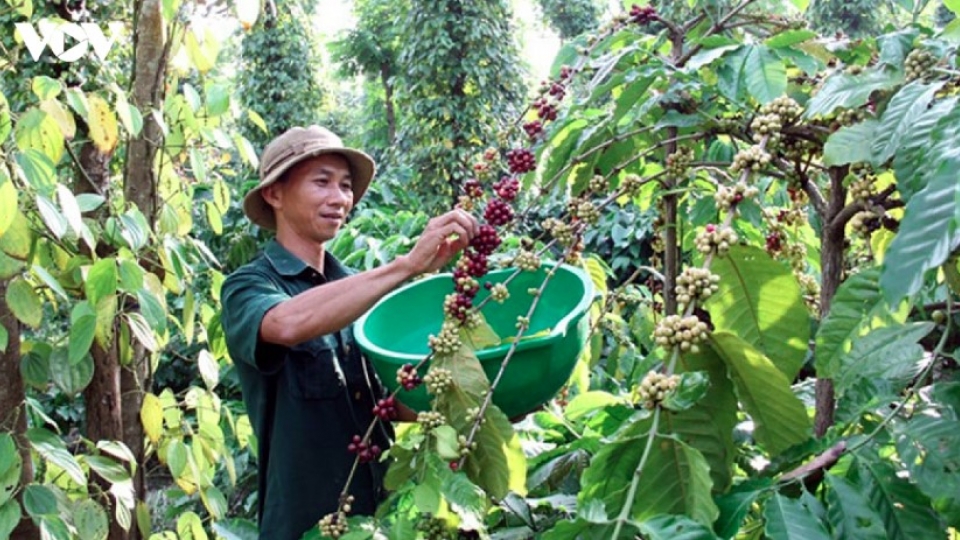
VOV.VN - Vietnam exported 1.45 million tonnes of coffee in the first nine months of 2026, earning US$6.6 billion in revenue, with foreign invested enterprises accounting for two fifths of the total.

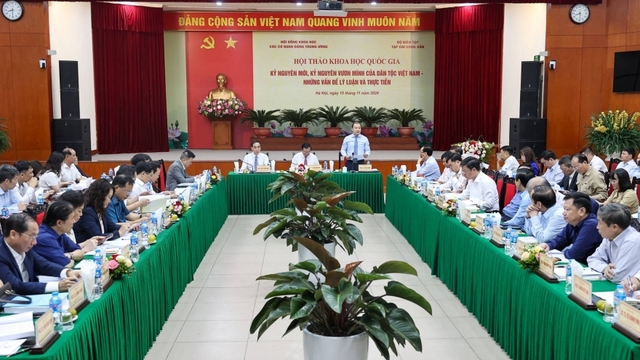
VOV.VN -The Finance and Investment Newspaper organized a seminar on October 8 in Hanoi under the auspices of the Ministry of Finance to discuss strategies for connecting domestic companies with global supply chains.
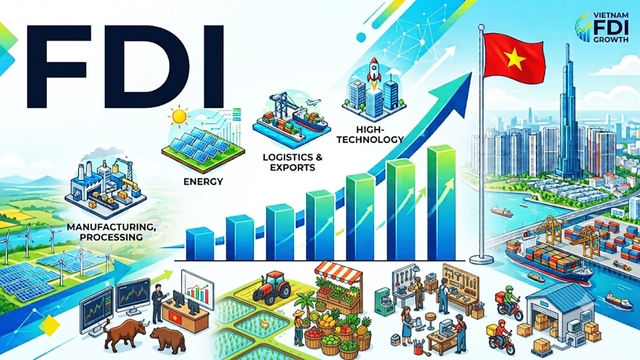
VOV.VN - Vietnam attracted US$50.36 billion in registered foreign direct investment (FDI) in the first nine months of 2026, up 76.4% year on year, with disbursed FDI reaching US$21.07 billion, the highest level for a nine-month period in the past five years.
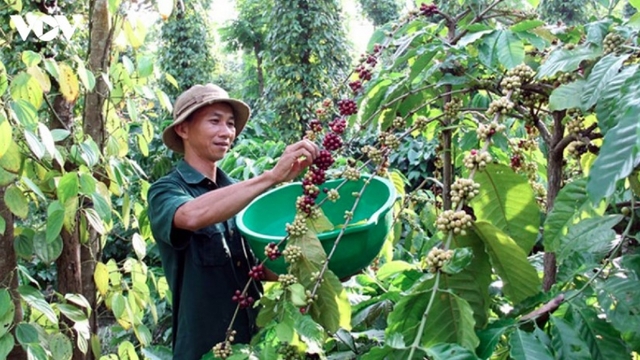
VOV.VN - Vietnam exported 1.45 million tonnes of coffee in the first nine months of 2026, earning US$6.6 billion in revenue, with foreign invested enterprises accounting for two fifths of the total.




.JPG&w=640&q=100)







Bình luận
Bình luận của bạn sẽ được xét duyệt trước khi đăng