French broadcaster spotlights lasting impact of Agent Orange in Vietnam
French television channel France 24 has aired a feature report on the lingering consequences of Agent Orange (AO)/dioxin in Vietnam, highlighting its continuing impact on human health, the environment and communities decades after the war ended.
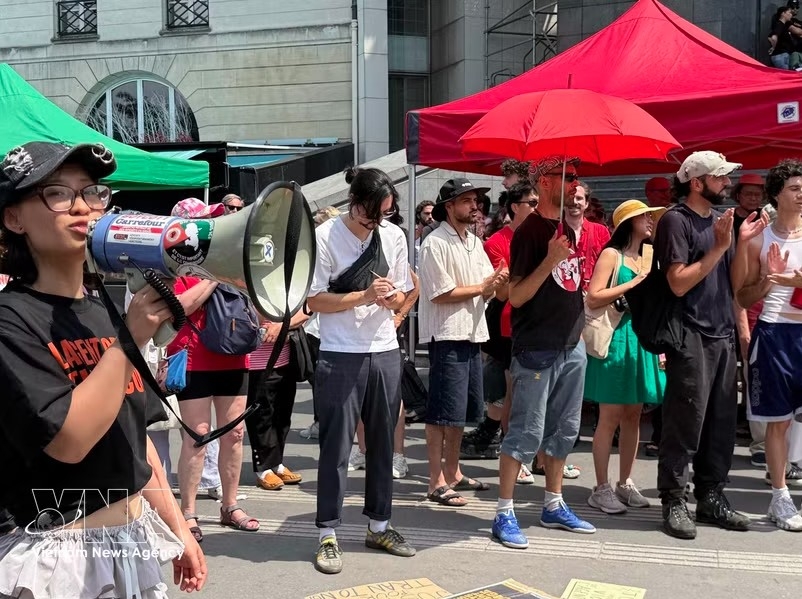
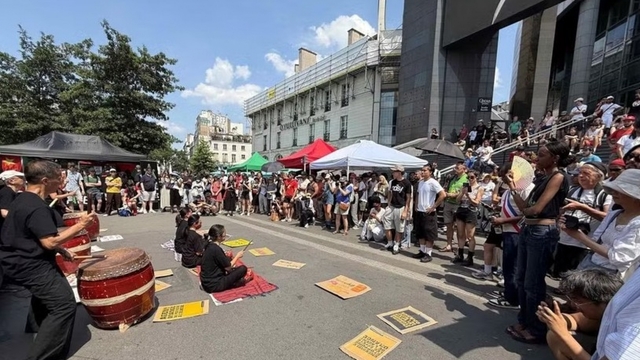
Participants gather at a protest calling for justice for victims of Agent Orange and chlordecone at Bastille Square in Paris on June 20. (Photo: VNA)
The report opens at the Hue Central Hospital in the central city of the same name, where doctors are treating newborns suffering from severe conditions such as hydrocephalus, congenital malformations and developmental disorders. Medical staff said the hospital receives more than 1,700 cases of congenital illnesses each year.
Dr. Le Thi Cong Hoa, head of the hospital’s Paediatric and Neonatal Intensive Care Unit, told France 24 that most of the children come from central Vietnam, one of the areas heavily affected by AO during the war. She noted that numerous health conditions seen today are linked to the war’s consequences.
The report recalled that between 1961 and 1971, the US military sprayed more than 80 million litres of herbicides, including AO containing dioxin, across southern Vietnam. According to France 24, approximately five million people living in the sprayed areas were directly affected.
The broadcaster featured accounts from war veterans and scientists, illustrating how exposure to the toxic chemical continues to affect both people and ecosystems. Scientists interviewed in the programme said dioxin degrades very slowly in nature and can remain in soil for decades, even centuries. In some heavily contaminated areas, toxins continue to enter the food chain through livestock grazing on polluted land.
France 24 also visited communities living in former contamination hotspots, where residents described ongoing difficulties in agricultural production. It highlighted Da Nang Airport, once a major storage and handling site for defoliants.
According to the Vietnam Association for Victims of Agent Orange/Dioxin (VAVA), the area was previously among the country’s most heavily contaminated sites, with dioxin concentrations 300–400 times higher than internationally accepted limits.
The programme further examined efforts by Vietnamese scientists to remediate contaminated soil. One experimental method using microorganisms and fungi has reportedly removed around 55% of dioxin from test samples after three years of treatment. Researchers, however, said progress remains constrained by limited resources and funding.
In addition to environmental damage, the report focused on the hardships faced by AO victims and their families. Rehabilitation centres supported by domestic and international organisations continue to provide care for affected children although staffing shortages remain a challenge.
The broadcaster also noted that many Vietnamese interviewed for the report stressed the importance of focusing on supporting victims and building the future rather than harbouring resentment.
From a legal perspective, France 24 reported that chemical companies that manufactured the chemical have continued to deny liability, arguing that the products were supplied under contracts with the US Government during wartime. Meanwhile, organisations representing Vietnamese victims have continued to seek solutions that will provide support and compensation for those affected.
It concluded that despite significant remediation and assistance efforts, addressing the legacy of AO in Vietnam remains a long-term challenge.
The Villejuif committee for the Van Canh Friendship Village in France’s Val-de-Marne province organised a concert on October 26 to raise funds for victims of Agent Orange (AO)/dioxin in Vietnam.
VOV.VN - Hundreds of people marched in Paris’ Bastille Square on June 20, calling for justice and compensation for victims of Agent Orange/dioxin in Vietnam, Laos and Cambodia, as well as victims of chlordecone pesticide pollution in the French overseas territories of Guadeloupe and Martinique.
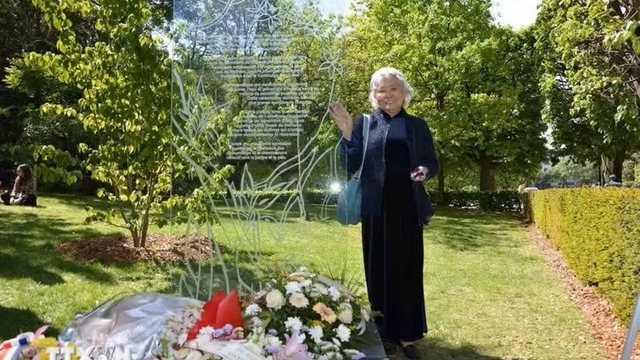
A long-running lawsuit over the use of Agent Orange/dioxin during the war in Vietnam is set to enter a decisive stage, as France’s top court prepares to review the case filed by Tran To Nga, a victim of the toxic chemical, against major US chemical firms.









.JPG&w=640&q=100)











Bình luận
Bình luận của bạn sẽ được xét duyệt trước khi đăng