
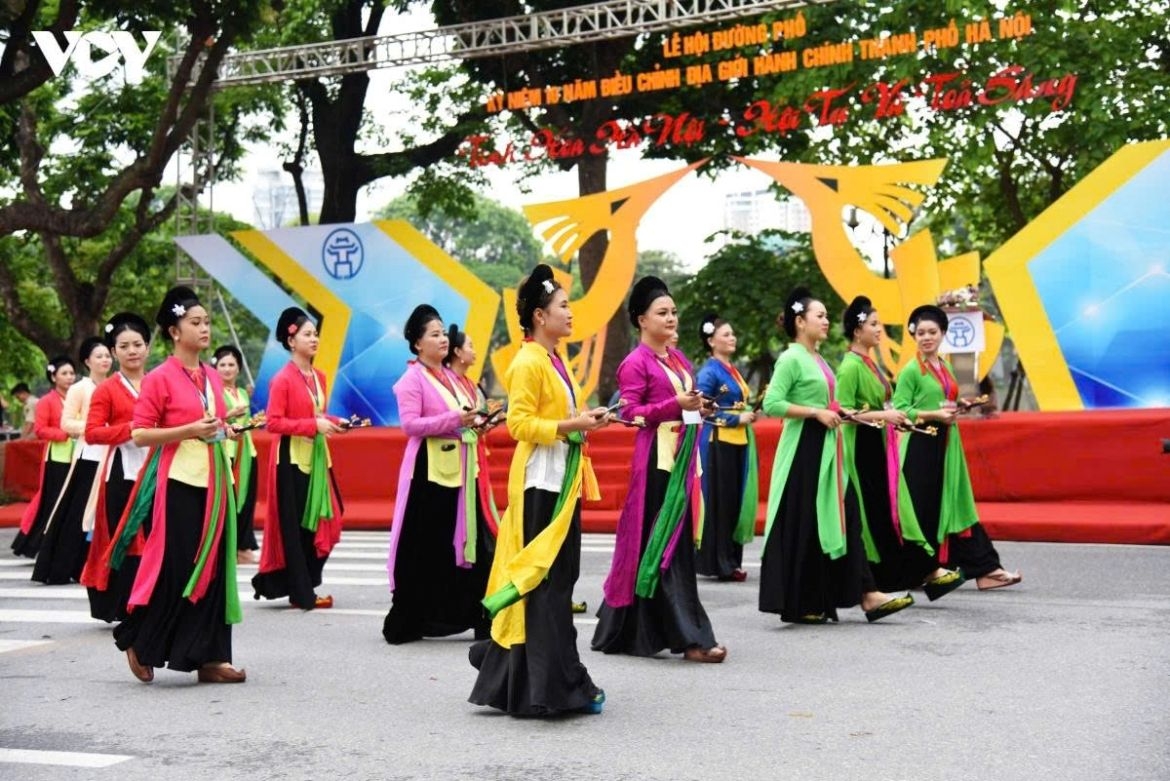

VOV.VN - Vietnam has approved a new external cultural strategy that seeks to strengthen the country's soft power, expand its global cultural presence and position Vietnam as one of the region's leading cultural and creative hubs by 2045.
Deputy Prime Minister Pham Thi Thanh Tra has signed Decision 1306 approving the External Cultural Strategy to 2030, with a vision to 2045, which sets out a long-term roadmap for promoting Vietnamese culture internationally alongside supporting sustainable development and enhancing the country's global profile.
The strategy views culture not only as a foundation of national identity but also as a strategic resource that can contribute to economic development, international cooperation and Vietnam's standing in the world.
It aims to deepen international cultural integration by promoting Vietnamese cultural values abroad and embracing the cultural achievements of other nations to help build an advanced Vietnamese culture rooted in national identity.
Ultimately, the strategy seeks to transform culture into a key source of national soft power, supporting sustainable development and increasing Vietnam's influence in international affairs, contributing to global cultural diversity.
For the 2026–2030 period, the strategy sets a range of measurable targets to expand international cultural cooperation with foreign governments, international organisations and companies operating in the cultural and creative industries.
Priority will be given to sectors where Vietnam has competitive strengths, including cinema, performing arts, cultural tourism and heritage, with the goal of increasing the international competitiveness of Vietnamese cultural products.
Vietnam aims to win at least five prestigious international awards in fields such as music, film and literature during this period.
The strategy also calls for the establishment and sustainable operation of five internationally recognised arts festivals carrying distinctive local identities, with the ambition of developing them into major cultural destinations in the region.
In heritage preservation, Vietnam targets securing international recognition from UNESCO and other organisations for at least five additional cultural heritage sites or titles, while developing ten cultural and heritage tourism destinations into globally competitive national brands.
Another objective is to establish between one and three new Vietnam Cultural Centres overseas in strategically important partner countries to expand the country's cultural presence abroad.
Looking further ahead, Vietnam aims to become one of Asia's leading cultural and creative centres by 2045, leveraging the digital economy and digital society to strengthen its cultural soft power.
By then, the country hopes to win at least 15 additional prestigious international awards in culture, arts and creative industries, host at least one major global event such as a World Expo, Specialised Expo or world-class sporting or cultural event, establish at least five more Vietnam Cultural Centres overseas, secure international recognition for another 15 heritage titles, and rank among ASEAN's top three countries and the world's top 30 in the Global Soft Power Index.
To achieve these ambitions, the strategy places strong emphasis on modernising cultural diplomacy and diversifying approaches to promoting Vietnam's cultural identity globally.
Cultural promotion activities will continue to play a larger role in high-level diplomatic visits by Vietnamese leaders abroad as well as visits by foreign leaders to Vietnam.
The government also plans to upgrade programmes such as Vietnam Culture Weeks and Vietnam Culture Days overseas through closer cooperation with host countries, broader audience engagement and stronger international media outreach.
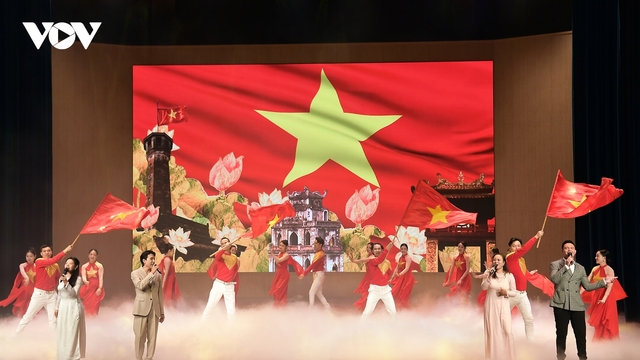
Promotional activities will increasingly incorporate traditional performing arts, martial arts, folk games and sports to introduce Vietnam's cultural heritage to international audiences.
The strategy also encourages greater Vietnamese participation in major international film festivals, art exhibitions, book fairs and cultural events. It seeks to integrate cultural promotion into major international political and economic forums.
Sports diplomacy will be an important pillar, with Vietnam seeking to host and participate in more regional and international sporting events as a means of showcasing the country's traditional sports and cultural heritage.
The strategy identifies human resource development as a critical factor in strengthening Vietnam's external cultural engagement.
Vietnam plans to gradually assign cultural officers to overseas representative missions where appropriate and deploy cultural counsellors or attachés at diplomatic missions in strategic partner countries.
Priority will initially be given to comprehensive strategic partners by 2030 before expanding to other strategic partners by 2045.
Officials working in external cultural affairs will receive specialised training in Vietnamese culture, world cultures, international law and intellectual property, alongside practical skills in event management, multimedia communications and digital cultural governance.
The strategy also highlights the importance of equipping future cultural professionals with knowledge of emerging technologies, including artificial intelligence (AI), big data and virtual and augmented reality (VR/AR), enabling them to promote Vietnamese culture more effectively in digital environments.
In addition, students, researchers, professionals and workers preparing to study or work overseas will receive training in Vietnamese history, culture and international communication to help them become effective cultural ambassadors while strengthening national identity among younger generations in an increasingly interconnected world.
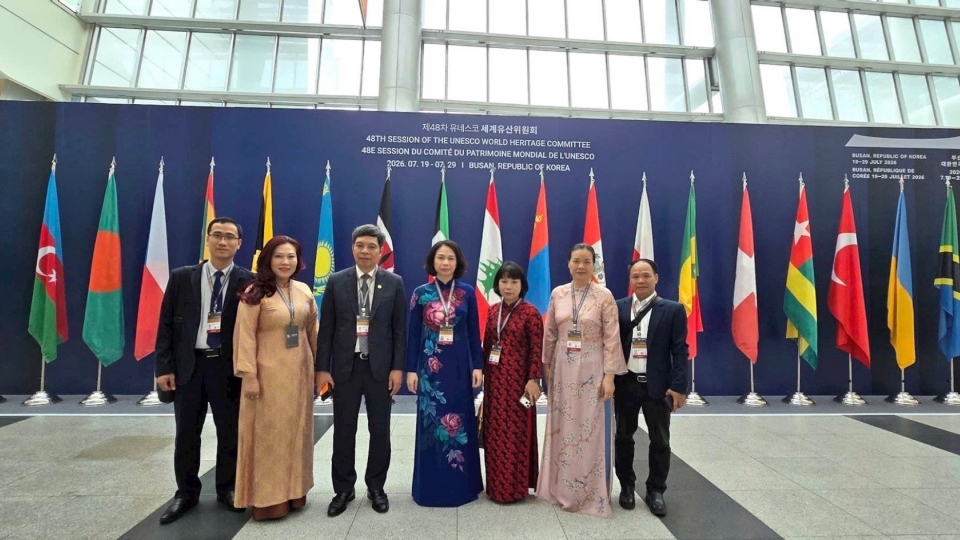
VOV.VN - A delegation of Hanoi has held meetings with UNESCO representatives, international organisations and heritage experts to strengthen cooperation in preserving and promoting cultural heritage on the sidelines of the ongoing 48th session of the World Heritage Committee in Busan, the Republic of Korea.

VOV.VN - Vietnam and the United Arab Emirates (UAE) discussed ways to strengthen cooperation in culture and tourism while also discussing the UAE's nomination of Wadi Wurayah for UNESCO World Heritage status during a meeting in Hanoi on July 14.

VOV.VN - Three Vietnamese water puppets have embarked on a new cultural mission after years of captivating audiences on stage, joining the collection of Russia’s State Museum of Oriental Art and helping showcase one of Vietnam’s best-known traditional performing arts to international visitors.

VOV.VN - Chau Buu Nghi, founder of the "Soul of Vietnam" art project, represented Vietnam's younger generation to introduce the country's cultural beauty, people, and landscapes to local and international friends at the 36th Hong Kong Book Fair on July 17.



.JPG&w=640&q=100)




Bình luận
Bình luận của bạn sẽ được xét duyệt trước khi đăng