Digital technology powers Vietnam's high-quality FDI attraction
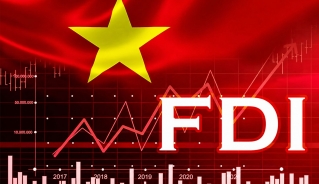
VOV.VN - Digital technology is fast emerging as a magnet for high-quality foreign direct investment (FDI) into Vietnam, prompting fresh structural demands as the economy pivots from low-cost advantages toward innovation-led growth.
Digital transformation is no longer a trend but a mandatory path for Vietnam to enhance its competitiveness. (Photo source: FPT)
Realized FDI in Vietnam reached approximately $15.2 billion during the seven-month period of 2026, marking an 11.8% increase year-on-year, while the first half alone recorded US$13.03 billion, the highest figure in years.
This upward trajectory shows international investors' growing confidence in the country's business climate and long-term economic prospects. Notably, the investment structure is skewing heavily toward high-tech sectors such as electronics, data management, artificial intelligence (AI), and digital services, which demand robust innovation ecosystems and skilled human resources.
Speaking on the shift, FPT Chairman Truong Gia Binh notes that digital transformation has ceased to be a mere trend and become a mandatory pathway for Vietnam to elevate its competitiveness, serving as an effective filter for high-caliber capital.
Similarly, the Organisation for Economic Co-operation and Development (OECD) sees FDI as a critical conduit for spilling over technology, skills, and knowledge across economies, a role of paramount importance as Vietnam pursues innovation-led development.
Despite these tailwinds, turning capital inflows into long-term competitive advantages requires resolving structural bottlenecks. Regulatory frameworks governing emerging domains such as data, digital assets, and cybersecurity remain under development, while workforce readiness and technological absorption capacity pose ongoing challenges.
According to Can Van Luc, Chief Economist at the Joint Stock Commercial Bank for Investment and Development of Vietnam (BIDV), attracting next-generation FDI extends far beyond tax incentives or low costs, hinging instead on the domestic corporate sector's absorptive capacity, interconnectivity, and innovation drive.
In the context of intensifying competition for capital, cost advantages and tax perks will gradually narrow, while the quality of the investment climate and internal economic resilience will dictate success.
In particular, connectivity between the FDI sector and domestic enterprises must be improved to create spillover effects in technology, management, and supply chains.
Luc stresses that unless domestic enterprises acquire the capacity to integrate deeply into value chains, substantial FDI inflows will struggle to generate sustainable value-added growth. Therefore, Vietnam must simultaneously upgrade its human resources, promote innovation, and complete institutional frameworks to effectively leverage high-quality capital.
From a long-term perspective, digital technology is not merely a sector for attracting investment but also the foundation for economic restructuring. As technology-linked FDI grows, Vietnam gains the opportunity to access knowledge, boost productivity, and progressively move up to higher-value segments.
Ultimately, while digital technology acts as a magnet for investment, it simultaneously raises the bar for growth quality. Effectively capitalizing on this capital inflow will determine Vietnam's breakthrough capacity in its new development period.
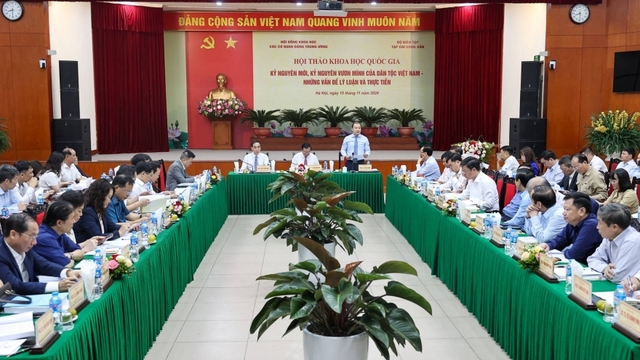
VOV.VN - Vietnam is reshaping its foreign investment strategy under the Politburo’s Resolution 10, shifting from attracting as much foreign direct investment (FDI) as possible to selectively targeting high-quality projects that can drive technology transfer, innovation and long-term economic competitiveness.
Vietnam is entering a new phase in attracting foreign direct investment (FDI) with a double challenge - securing larger capital inflows while ensuring that new projects deliver higher technological value.
VOV.VN - Vietnam is reshaping its foreign investment strategy under the Politburo’s Resolution 10, shifting from attracting as much foreign direct investment (FDI) as possible to selectively targeting high-quality projects that can drive technology transfer, innovation and long-term economic competitiveness.
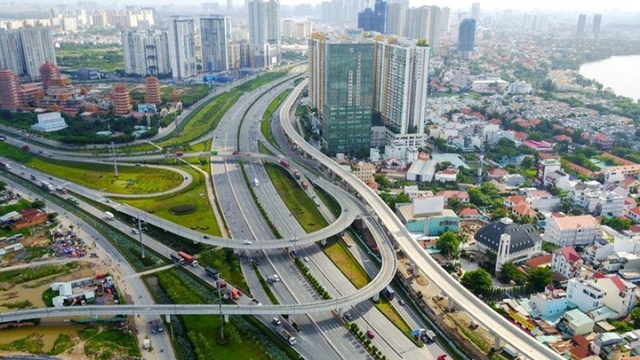
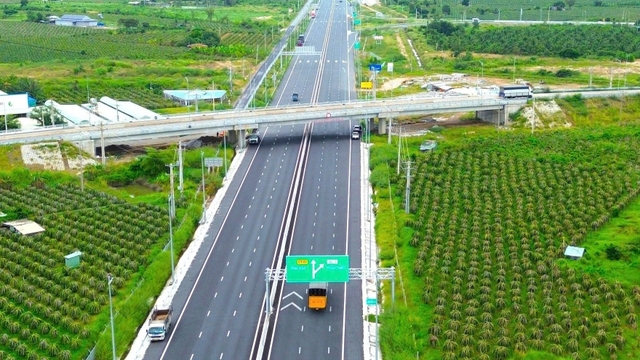
VOV.VN - Vietnam is actively pursuing a selective foreign direct investment attraction strategy, prioritizing green and environmentally friendly projects. However, achieving this objective requires a concrete strategic blueprint to remove infrastructure and institutional bottlenecks, rather than relying on incentives at all costs.












.JPG&w=640&q=100)







Bình luận
Bình luận của bạn sẽ được xét duyệt trước khi đăng