
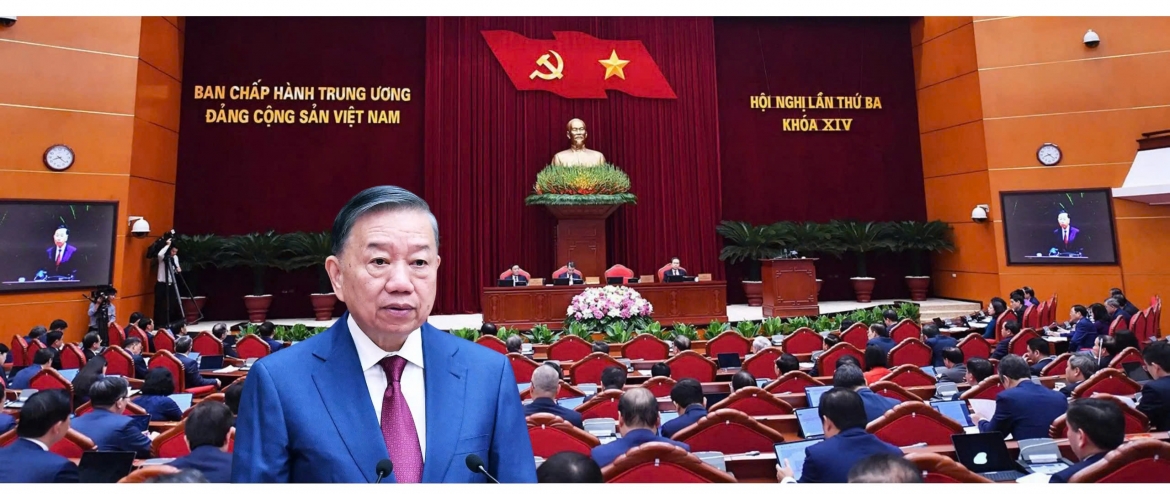

VOV.VN - Vietnam’s next stage of economic development should be driven by productivity, innovation, technology and high-quality human resources rather than traditional cost advantages, with foreign investment playing a greater role in technology transfer and strengthening domestic capabilities.
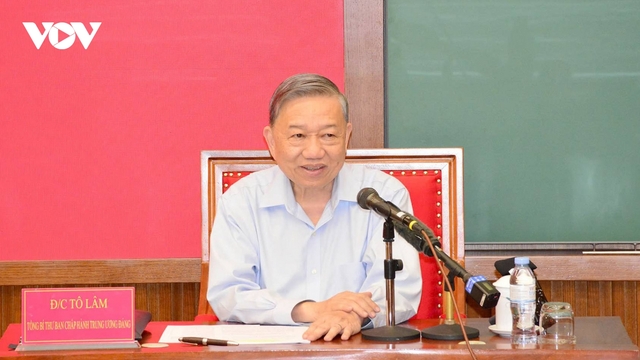
At the third plenum of the 14th Party Central Committee, Party General Secretary and State President To Lam called for a strategic shift in Vietnam's growth model, urging the economy to move beyond expansion driven primarily by labour and capital toward development powered by productivity, knowledge, technology, innovation and high-quality human resources.
He also stressed that foreign direct investment (FDI) should be more closely linked to technology transfer and the strengthening of Vietnam’s domestic capabilities.
According to experts, the direction reflects not only a development strategy for the country’s next stage of growth but also a significant evolution in the Communist Party of Vietnam's economic thinking as the global economy undergoes profound structural changes.
Nearly four decades after launching its economic reforms, Vietnam has achieved substantial socio-economic progress.
The economy has expanded many times over compared with the early years of Doi Moi (Renewal), per capita income has surpassed US$5,000, trade has grown to rank among the world's largest, and a network of 17 free trade agreements (FTAs) has opened wider opportunities for economic integration.
These achievements demonstrate that the country's growth model built on economic openness, foreign investment, abundant labour and international integration, has successfully fulfilled its role during the early stages of industrialisation and modernisation.
However, the global economic landscape has changed fundamentally. Strategic competition among major economies has intensified, global supply chains are being reshaped, while digital transformation, the green transition and the rapid development of artificial intelligence are redefining production methods and business models worldwide.
Meanwhile, Vietnam’s traditional competitive advantages, including low-cost labour, natural resource exploitation and investment incentives, are gradually diminishing and can no longer guarantee sustainable growth.
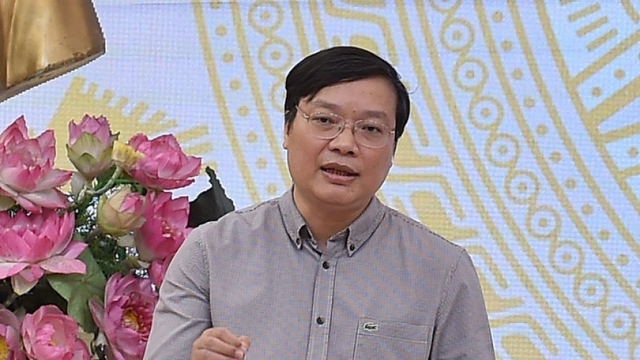
According to Hoang Quang Phong, vice chairman of the Vietnam Chamber of Commerce and Industry (VCCI), the strategic direction outlined by the top leader represents far more than an adjustment to economic policy.
“It marks a new stage in the Party's strategic thinking on Vietnam's growth model," he said.
Phong argued that future national competitiveness will depend less on the amount of investment capital or natural resources and more on the ability to transform capital, knowledge and technology into higher productivity, greater value creation and stronger innovation capacity.
“The task is not simply to fine-tune economic policy, but to fundamentally transform the way growth is generated, strengthen national competitiveness and build an economy capable of adapting to an increasingly volatile global environment,” he told VOV.VN.
He added that Vietnam's new growth model should be driven by science and technology, innovation, digital transformation, green development and, above all, high-quality human resources that are priorities featured prominently in recent Party resolutions and further reinforced at the third plenum.
The transition to a new growth model places demands not only on policymakers but also on the business community. If low labour costs and investment incentives once formed the basis of many Vietnamese companies' competitiveness, those advantages are no longer sufficient in today's economic environment.
According to Phong, Vietnamese enterprises need to shift from competing on costs to competing through productivity, quality, technology, branding and management capability.
Only by gradually mastering technology, improving labour productivity and integrating more deeply into global value chains can businesses enhance their resilience, strengthen competitiveness and achieve sustainable growth.
Such transformation is also essential if Vietnam is to move from an input-driven growth model toward one based on knowledge, innovation and higher value-added production, in line with the strategic vision outlined by the top leader.
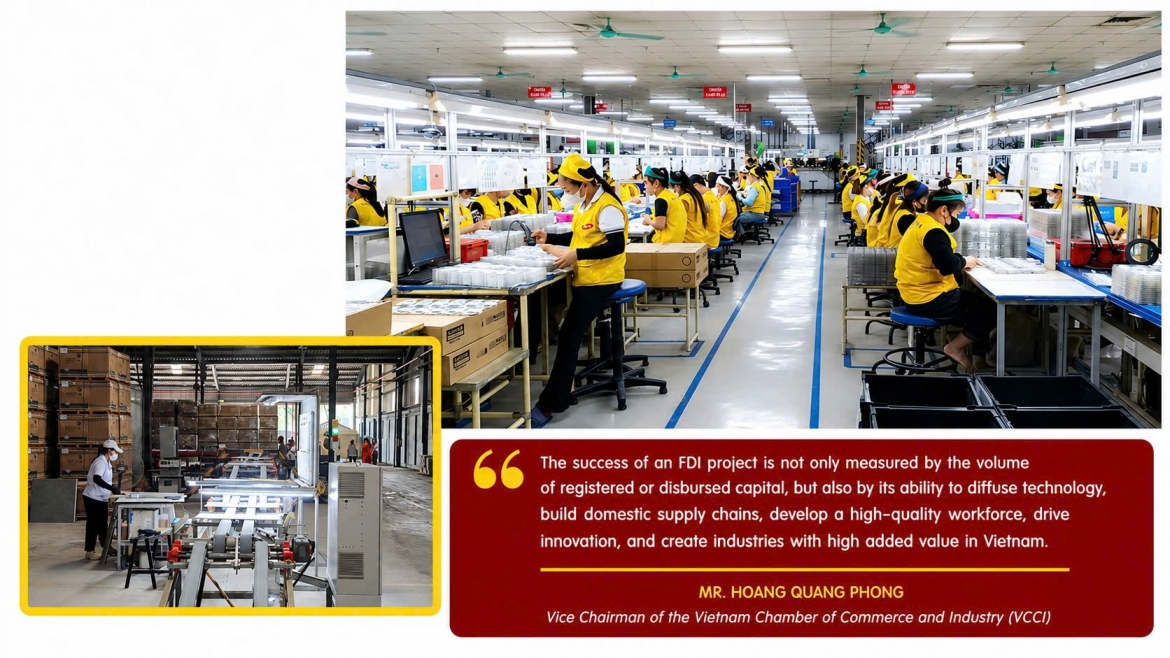
Reforming the growth model also requires a new approach to foreign direct investment. In previous decades, Vietnam focused primarily on attracting investment, creating jobs and expanding exports. FDI attraction is however expected to contribute to technology transfer, workforce development and stronger domestic capabilities.
This is one of the priorities highlighted by the top leader at the third plenum, where he called for foreign investment to be more closely linked with technology transfer and the enhancement of Vietnam's internal economic strength.
Phong noted that after nearly four decades of attracting FDI, Vietnam has become home to thousands of projects by multinational corporations, with cumulative registered investment exceeding US$500 billion.
The foreign-invested sector now accounts for about 20% of GDP, employs millions of workers and generates more than 70% of Vietnam's exports.
While acknowledging the sector's major contribution to industrialization, modernisation and international integration, Phong argued that the effectiveness of FDI should no longer be measured solely by investment volume or the number of projects.
“What Vietnam needs in the next stage is not simply more investment capital, but more advanced technologies, stronger management expertise, greater research and development (R&D) activity, deeper participation of Vietnamese enterprises in global value chains and a larger share of value creation retained within the domestic economy," he said.
In his view, this also reflects Vietnam's long-standing policy of attracting higher-quality and more selective foreign investment.
As global competition for investment intensifies, many countries are no longer competing primarily through tax incentives or low production costs. Instead, they are seeking to attract investment by offering a high-quality business environment and a well-connected innovation ecosystem. Phong suggested that Vietnam should adopt a similar approach.
The success of an FDI project should not be measured solely by its registered capital or export value, but also by its ability to generate technology spillovers, develop domestic supplier networks, train highly skilled workers, promote innovation and create industries with higher value-added.
In other words, a new generation of FDI should complement the domestic business sector, contributing not only to short-term growth but also to the economy's long-term competitiveness.
The VCCI official also emphasised that successful technology transfer cannot depend solely on the willingness of foreign-invested enterprises. The decisive factor is the absorptive capacity of Vietnamese businesses.
That capacity is determined not only by company size but also by management quality, workforce skills, research and development (R&D) capability, the adoption of science and technology, digital transformation, and compliance with international standards on quality, environmental protection and supply chain management.
Once these capabilities are strengthened, Vietnamese companies will be better positioned to become trusted partners of multinational corporations, allowing technology transfer to take place in a more meaningful and sustainable way.
To achieve that goal, Phong called for a more comprehensive technology transfer ecosystem. He held that Vietnam should continue improving incentives for foreign-invested enterprises to expand research and development activities and establish innovation, design and engineering centers in the country.
He also urged faster development of supporting industries, particularly in strategic sectors such as semiconductors, electronics, precision engineering, digital technology, biotechnology, clean energy and modern logistics, helping raise local content and create more value within Vietnam.
Another priority, he suggested, is to strengthen collaboration among businesses, universities, research institutes and innovation centers to narrow the gap between research and commercial production, as well as between education and labour market demand.
At the same time, stronger partnerships between foreign-invested enterprises and Vietnamese companies should be encouraged through supplier development, technical training, management know-how transfer and support for domestic firms in meeting international standards.
“Vietnam needs to move beyond simply attracting technology and instead develop the capability to master it,” Phong stressed.
“That does not mean creating every technology independently, but building the capacity to absorb, improve, innovate and ultimately generate new value based on global knowledge. Only then can FDI truly become a catalyst for strengthening the economy's domestic capabilities.”
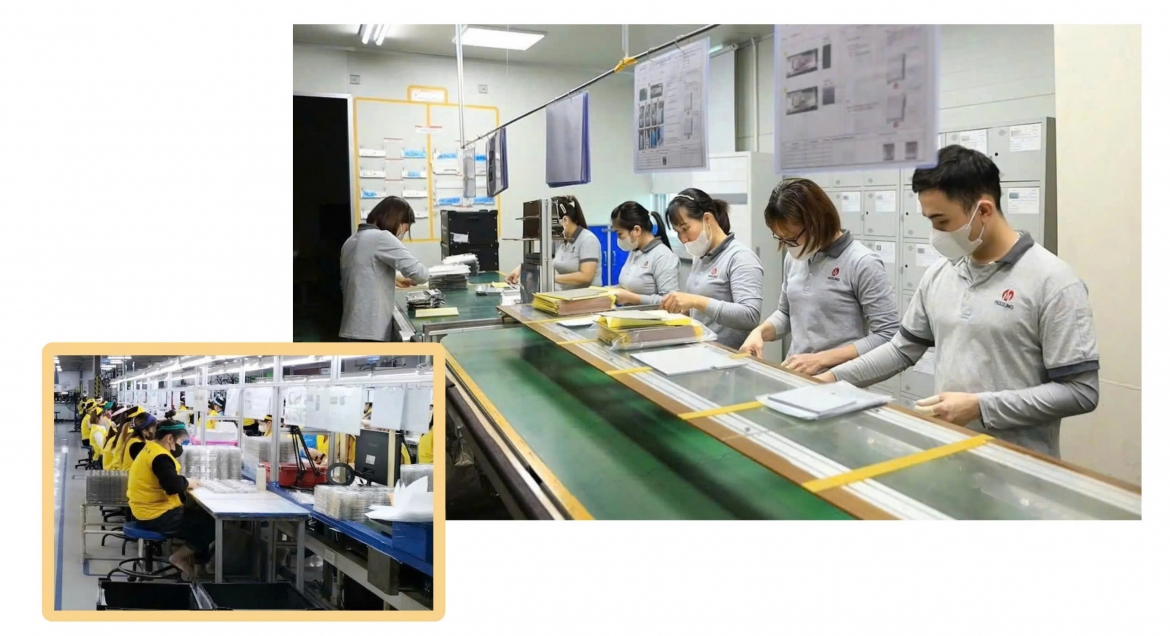
Achieving the vision outlined by Party General Secretary and State President To Lam will require translating strategic policy directions into tangible improvements in institutions, the business environment and corporate performance.
The VCCI official therefore identified three priorities, namely institutional reform, stronger business competitiveness and the development of high-quality human resources supported by a vibrant innovation ecosystem.
In his view, institutions should be regarded not only as a regulatory framework but also as a strategic development resource in a knowledge-based and innovation-driven economy.
Businesses are more likely to make long-term investments in technology, research and development, and new business models when the legal environment is transparent, predictable and stable, while ensuring the protection of property rights, intellectual property rights and the freedom to conduct business.
He therefore called for continued institutional reforms aimed at improving the investment climate, simplifying administrative procedures and reducing compliance costs.
Given the rapid pace of technological change, Vietnam should also provide space for emerging technologies and business models to be tested and developed under a risk-based regulatory approach rather than restricting innovations simply because they lack precedent.
“In a knowledge-based and innovation-driven economy, institutions themselves are a vital development resource,” Phong stated.
Alongside institutional reform, businesses themselves must become the driving force behind Vietnam's transition to a new growth model, Phong stressed.
As global competition increasingly revolves around productivity and innovation, companies should view science and technology, digital transformation, green transition and workforce development not as costs, but as long-term strategic investments.
He encouraged businesses to expand the use of digital technologies and artificial intelligence (AI), invest in automation, improve productivity and management capacity, strengthen branding, and gradually build their own research and development capabilities.
Green transformation has also become increasingly important as carbon emissions standards, traceability requirements, circular economy principles, corporate social responsibility and sustainable governance become prerequisites for participation in global supply chains.
Phong maintained that digital and green transformation should therefore advance together as two key drivers of Vietnamese enterprises' competitiveness.
He also stressed the importance of stronger cooperation among domestic businesses, noting that collaboration would help small and medium-sized enterprises meet larger orders, integrate more deeply into supply chains and compete more effectively in international markets.
Despite rapid technological advances, Phong affirmed that people are the decisive factor in Vietnam's new growth model.
“Technology can be purchased and machinery can be imported, but the ability to master, improve and innovate technology must be built through people,” he told VOV.VN.
Vietnam should therefore strengthen cooperation among government agencies, businesses, universities and research institutes to build an integrated innovation ecosystem.
Education and training programmes also need to align more closely with labour market demand, particularly in high-growth sectors such as semiconductors, artificial intelligence, automation, digital technology, biotechnology, new energy and smart logistics.
Only when institutional reform, business development and human resource development reinforce one another can the new growth model operate effectively and generate sustainable momentum for the economy, Phong stated.
Turning development ambitions into reality
Looking ahead, Phong affirmed that VCCI will continue promoting dialogue between the government and the business community to help improve institutions, support businesses in digital and green transformation, strengthen links between Vietnamese firms and the FDI sector, and foster greater cooperation with universities, research institutes, international organisations and global value chains.
The objective, he said, is not merely to attract more investment projects but to create greater opportunities for Vietnamese enterprises to integrate more deeply into global value chains, improve workforce quality and gradually master advanced technologies.
From the strategic direction outlined by Party General Secretary and State President To Lam at the third plenum of the 14th Party Central Committee to the recommendations put forward by the business community, a common message emerges that reforming Vietnam's growth model is not simply about changing how wealth is created, but about comprehensively upgrading the economy's capabilities.
When institutions are strengthened, businesses become more innovative, high-quality human resources are developed and FDI generates genuine technology spillovers, Vietnam will be better positioned to move beyond growth driven by cost advantages toward a model based on productivity, knowledge and innovation, supporting its ambition of becoming a high-income developed country by 2045.
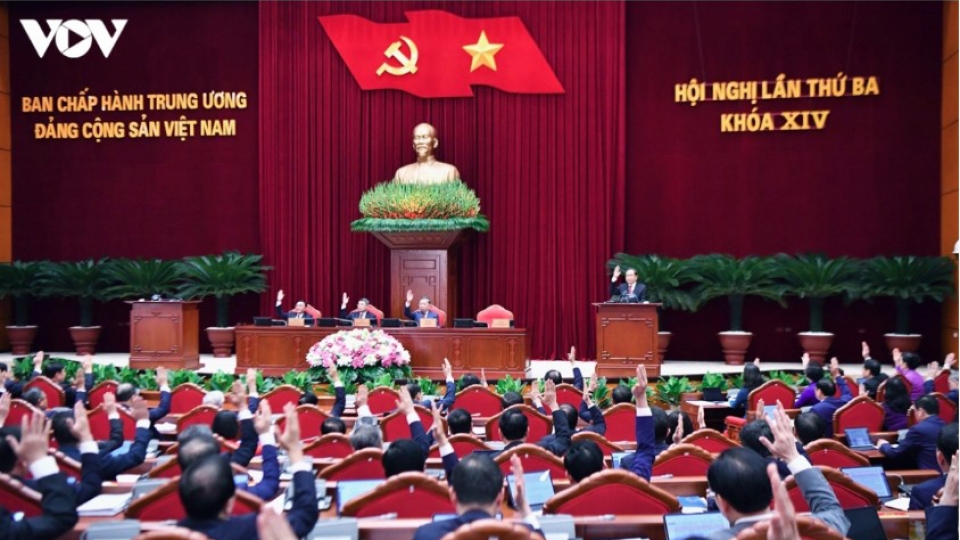
VOV.VN - Establishing a new growth model, restructuring the economy, and boosting industrialization and modernization on the foundation of science, technology, innovation, and digital transformation represent core, key tasks for the 14th National Party Congress tenure, aiming toward double-digit annual GDP growth during the 2026-2030 period.

VOV.VN - Vietnam will need a fundamental shift in development thinking, institutional reform and innovation-driven growth to achieve its target of annual economic expansion of more than 10% during the 2026-2030 period, Prime Minister Le Minh Hung said on June 13.

VOV.VN - Vietnam and Singapore are seeking to build a model partnership for a new era in which national competitiveness is shaped not only by trade or investment flows, but increasingly by technology, innovation, clean energy and regional connectivity.

VOV.VN - Prime Minister Le Minh Hung has called on Dong Thap province to develop a new growth model based on science and technology, innovation, digital transformation, and processing industries in order to achieve higher economic growth targets in the coming years.





.JPG&w=640&q=100)







Bình luận
Bình luận của bạn sẽ được xét duyệt trước khi đăng