Three-tier government reform puts citizens at the heart of governance
VOV.VN - Vietnam's three-tier local government system marks a fundamental shift in governance, with experts saying the reform aims to place citizens and businesses at the center of public administration rather than simply streamline the state apparatus.
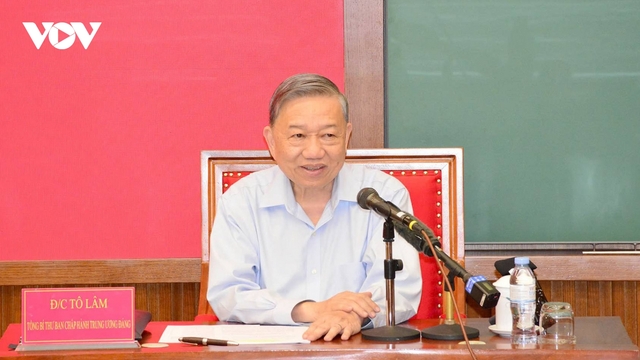
The assessment follows the conclusion of the Communist Party of Vietnam Central Committee’s recent third plenum, where Party General Secretary and State President To Lam called for the rapid implementation of newly adopted policies and a clearer division of responsibilities among the three levels of government to ensure a streamlined, efficient administration that better serves the public.
Beyond streamlining the state apparatus
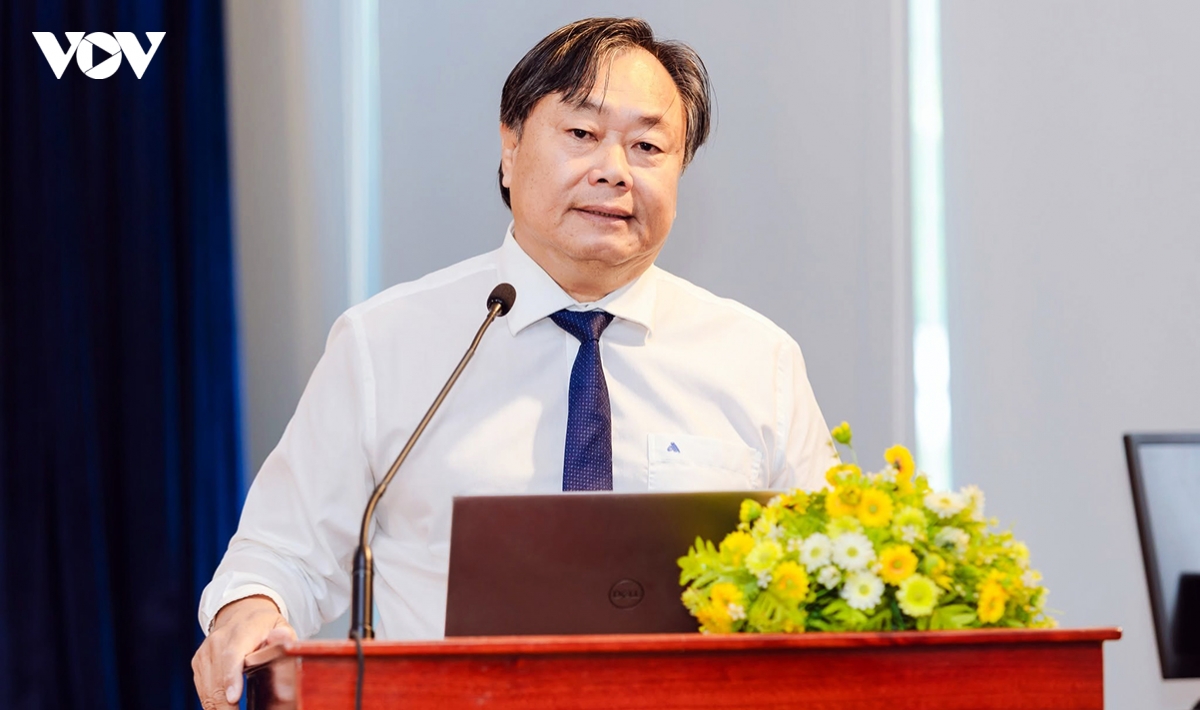
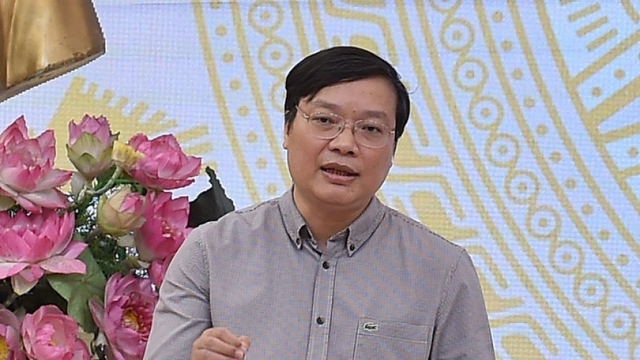
Assoc. Prof. Dr. Nguyen Quoc Dung, former director of the Ho Chi Minh National Academy of Politics' Region II branch, says Governance reform must go beyond restructuring
Experts agreed the reform is not simply about reducing bureaucracy but about changing how government operates. Assoc. Prof. Dr. Nguyen Quoc Dung, former director of the Ho Chi Minh National Academy of Politics' Region II branch, said the key message from the Party Central Committee meeting was the need to move quickly from institutional restructuring to improving implementation.
"Restructuring the administrative system is only the starting point. If the organisation changes but the way officials work remains the same, little will improve. What matters now is implementation quality, with effective policymaking and public trust serving as the ultimate benchmarks," he noted.
According to Dr. Dung, Vietnam's ambition to achieve double-digit economic growth requires a more responsive governance model.
Clearly defining the responsibilities of each level of government, he said, will reduce overlapping authority, enhance local autonomy and improve administrative efficiency.
From administration to public service
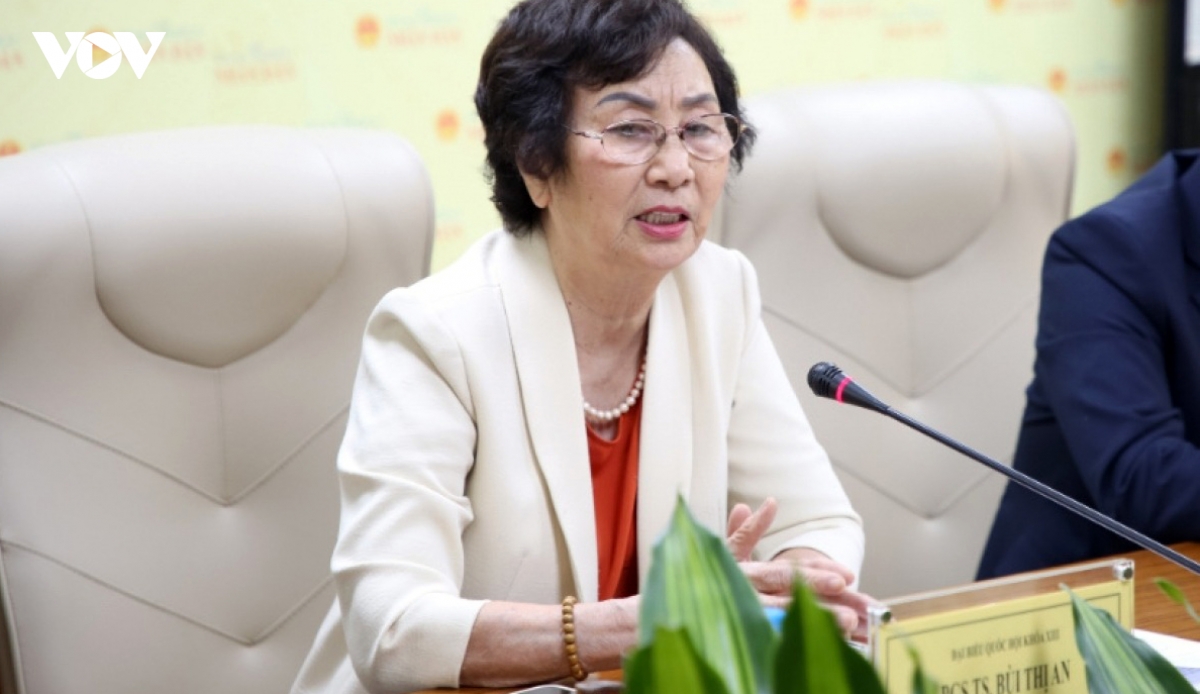
According to Assoc. Prof. Dr. Bui Thi An, president of the Institute of Natural Resources, Environment and Community Development, public service should define the new governance model
Another key transformation highlighted by experts is the gradual shift from a management-oriented government toward a service-oriented administration.
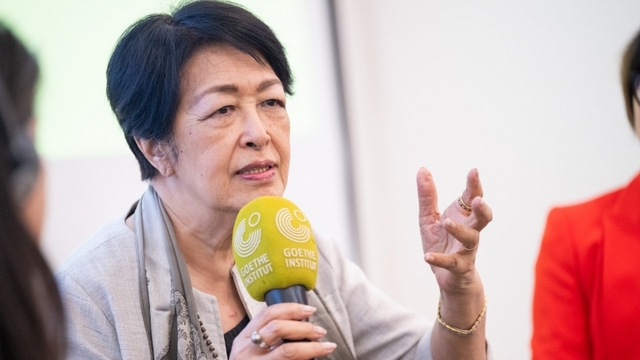
Assoc. Prof. Dr. Bui Thi An, president of the Institute of Natural Resources, Environment and Community Development, agreed that the new model has already produced encouraging results since its implementation.
Reducing administrative layers has accelerated decision-making, clarified accountability and delegated greater authority to local governments, enabling them to respond more effectively to the needs of citizens and businesses.
Equally important, she noted, is the changing mindset within public administration.
"In the past, there was sometimes a tendency to prohibit what could not be managed. Today, many local authorities are placing greater emphasis on improving public services, accelerating digital transformation and measuring success through citizens' satisfaction."
According to Dr. An, this reflects the foundations of a modern public administration in which citizens are no longer viewed merely as objects of governance but as the central focus of policymaking and public service delivery.
Decentralisation must be backed by authority and resources
While acknowledging the progress achieved so far, experts also believed further improvements are needed to ensure the new governance model functions effectively.
Dr. An said that in some localities, institutional restructuring has moved faster than administrative capacity, while decentralisation has not always been accompanied by sufficient financial resources or effective accountability mechanisms.
"Delegating responsibilities must go hand in hand with real authority, adequate resources and clear accountability. Assigning new tasks without providing the necessary capacity makes it difficult for local governments to deliver results," she said.
Former Deputy Minister of Home Affairs Nguyen Tien Dinh shared a similar view, arguing that the effectiveness of any institutional reform ultimately depends on people and governance quality.
He called for continued legal reforms alongside the development of a professional civil service equipped with strong ethics, modern management skills and a genuine commitment to serving the public.
Digital infrastructure, he added, will also play an increasingly important role in strengthening governance capacity.
Citizens become the ultimate measure of governance
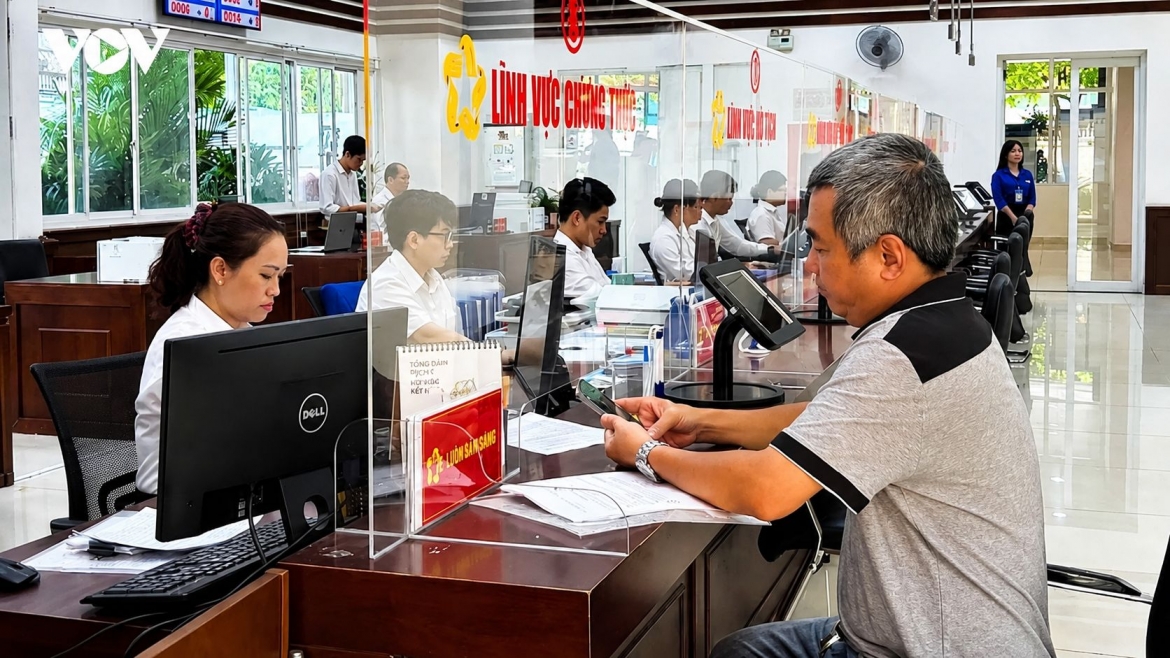
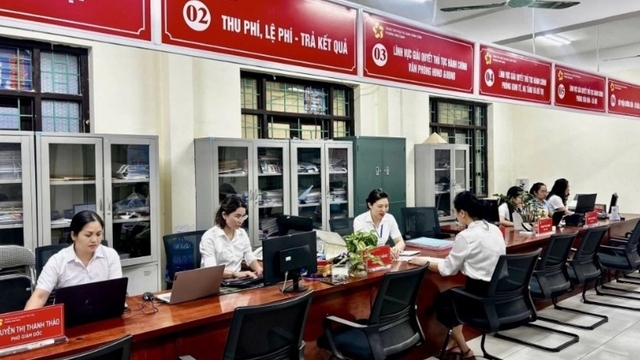
Vietnam's three-tier government reform aims to improve public services, clarify responsibilities and place citizens and businesses at the centre of governance
Experts agreed that the significance of the three-tier government model lies not in its organisational structure but in how effectively it operates.
Under the new approach, the central government is expected to focus on strategic policymaking and institutional development, provincial governments on coordinating resources and regional development, while commune-level authorities become the frontline providers of public services.
Ultimately, the success of the reform will not be measured by the number of administrative units consolidated or agencies streamlined, but by how effectively local governments resolve practical issues and how satisfied citizens and businesses are with public services.
According to experts, that people-centred approach will be essential to translating the Party's policies into tangible improvements while creating stronger momentum for Vietnam's next stage of development.
VOV.VN - Party General Secretary and State President To Lam chaired a national conference on July 1 to review one year of operations under the overall model of the political system and the three-tier government model.
VOV.VN - A national symposium was held in Hanoi on June 17 to review nearly one year of operation of Vietnam's two-tier local government model and discuss measures to further refine the system.
VOV.VN - Vietnam’s two-tier local government model is a bold administrative reform effort that demonstrates the Vietnamese Government’s determination to streamline and simplify public administration.
VOV.VN - One year after Vietnam introduced its two-tier local government model, the new administrative structure has helped streamline governance, reduce bureaucratic layers and improve public service delivery in many localities.










.JPG&w=640&q=100)








Bình luận
Bình luận của bạn sẽ được xét duyệt trước khi đăng