Vietnam rethinks personnel work to better identify, develop and use talent
VOV.VN - Renewing personnel work requires more than selecting and training officials, with experts calling for capable people to be tested through major and difficult tasks, given sufficient authority and resources, and assessed through their contributions and results.
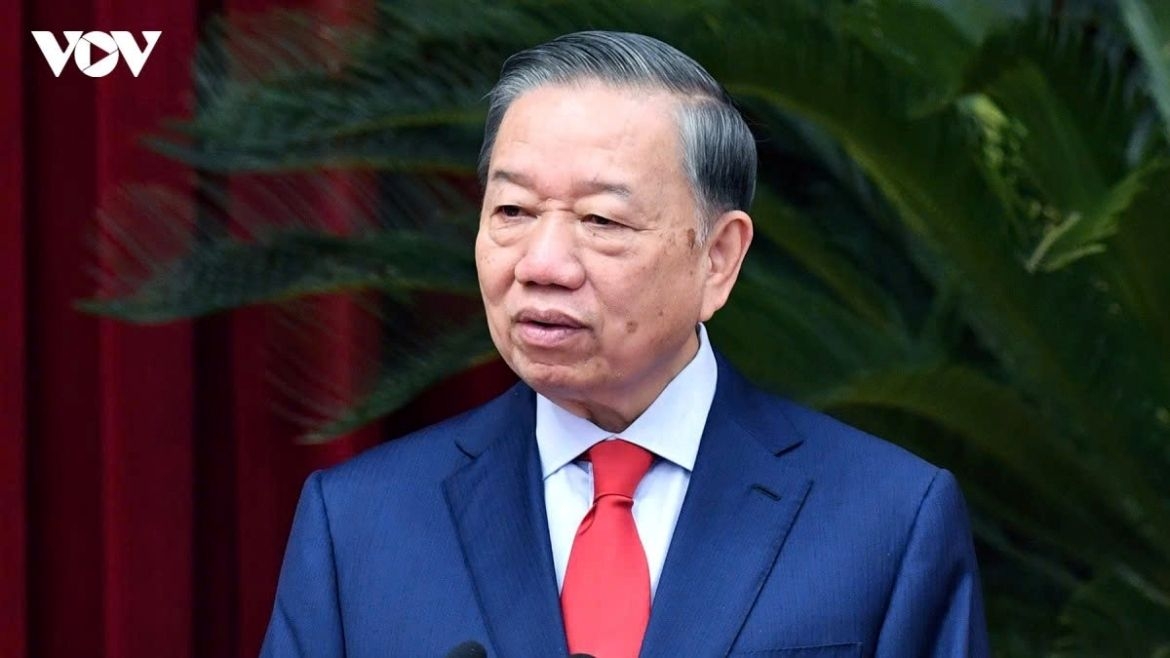
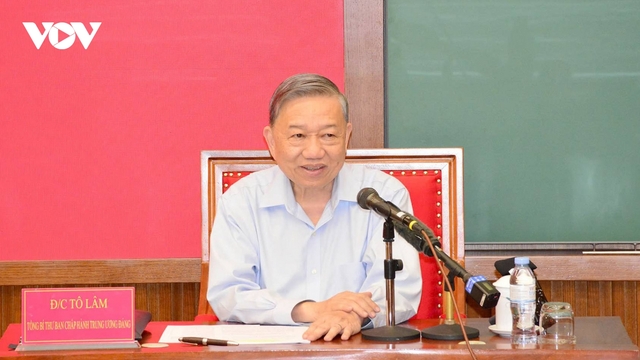
General Secretary of the Communist Party of Vietnam Central Committee and President of Vietnam To Lam speaks at the 4th plenum of the 14th Party Central Committee in Hanoi from October 5-8, 2026
At the 4th plenum of the 14th Party Central Committee from October 5-8, 2026 in Hanoi, General Secretary of the Communist Party of Vietnam Central Committee and President of Vietnam To Lam raised the need to renew personnel work and make effective use of talent to meet the country’s development requirements.
He suggested that the review of Politburo Resolution 26 on building a contingent of officials at all levels, particularly those in leadership and management positions should open a new phase in personnel work by building the cadre contingent around the country’s tasks and long-term development needs. This requires unified and interconnected management of officials, linking political tasks and job positions with recruitment planning, training, assessment, placement and screening, while overcoming fragmentation across different stages, levels and terms of office.
The General Secretary and President also called for discussion of mechanisms to assign major tasks, grant substantive authority, ensure adequate resources and assess officials based on their contributions, while creating an environment that respects innovation and accepts controlled risks in research.
Experts and scholars agreed that these suggestions point not only to the need to change how officials are selected and used, but also to a new approach to valuing talent. Officials should not simply be selected, trained and appointed; they must also be given opportunities, authority and resources to deliver results.
Major tasks as a test of the capacity of officials
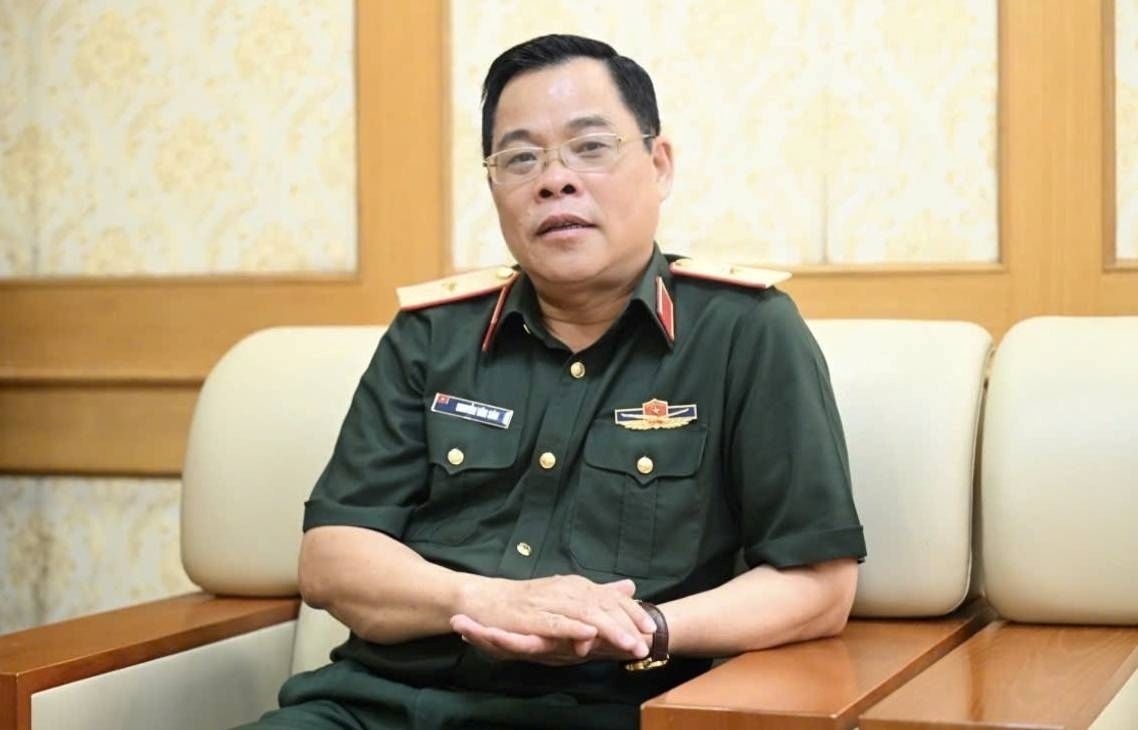
Major General Assoc. Prof. Dr Nguyen Van Sau, deputy director of the Institute for Defence Strategy and History under the Ministry of National Defence
Major General Assoc. Prof. Dr Nguyen Van Sau, deputy director of the Institute for Defence Strategy and History under the Ministry of National Defence, said the review of Resolution 26 should go beyond assessing achievements already made. More importantly, it must answer whether personnel work has produced a cadre contingent capable of taking on the country’s major, difficult, new and long-term tasks.
He agreed with the approach of assigning major tasks, granting substantive authority, ensuring adequate resources and assessing officials through their concrete results and contributions. If officials are given responsibility without sufficient authority or resources, he said, it would be difficult for them to carry out their tasks or create breakthroughs.
At the same time, the delegation of authority must go hand in hand with power control, stronger inspection and supervision, and greater accountability. Officials should be assessed in relation to the tasks assigned to them, the authority and resources available to them, and the results they actually deliver, particularly their ability to deal with new and difficult tasks as the country’s development goals become increasingly demanding.
“I hope that personnel work will shift strongly from managing people to developing and using people; from selecting officials according to set criteria to identifying, testing and assessing them through practice. Instead of preparing officials for individual terms of office, we need to move towards preparing a leadership workforce for the country’s strategic and long-term tasks,” Maj. Gen. Sau told VOV.VN.
According to the Deputy Director of the Institute for Defence Strategy and History, the most important thing is to establish mechanisms that allow capable people to take on major tasks, those who can deliver to be given greater authority, and those who create value to receive due recognition. At the same time, those who fail to meet the requirements of their positions must be properly assessed and replaced in a timely manner.
This, he said, represents a shift from being “procedurally correct” to having “the right person, the right job, the right responsibility and the right results”.
When such a mechanism is established, the capacity of officials can be translated into effective governance and tangible results in practice, helping turn the country’s development aspirations into real capacity, improve people’s living standards and realise the goal of a prosperous people, a strong country and a civilised society.
Strategic-level officials must be given major and difficult tasks
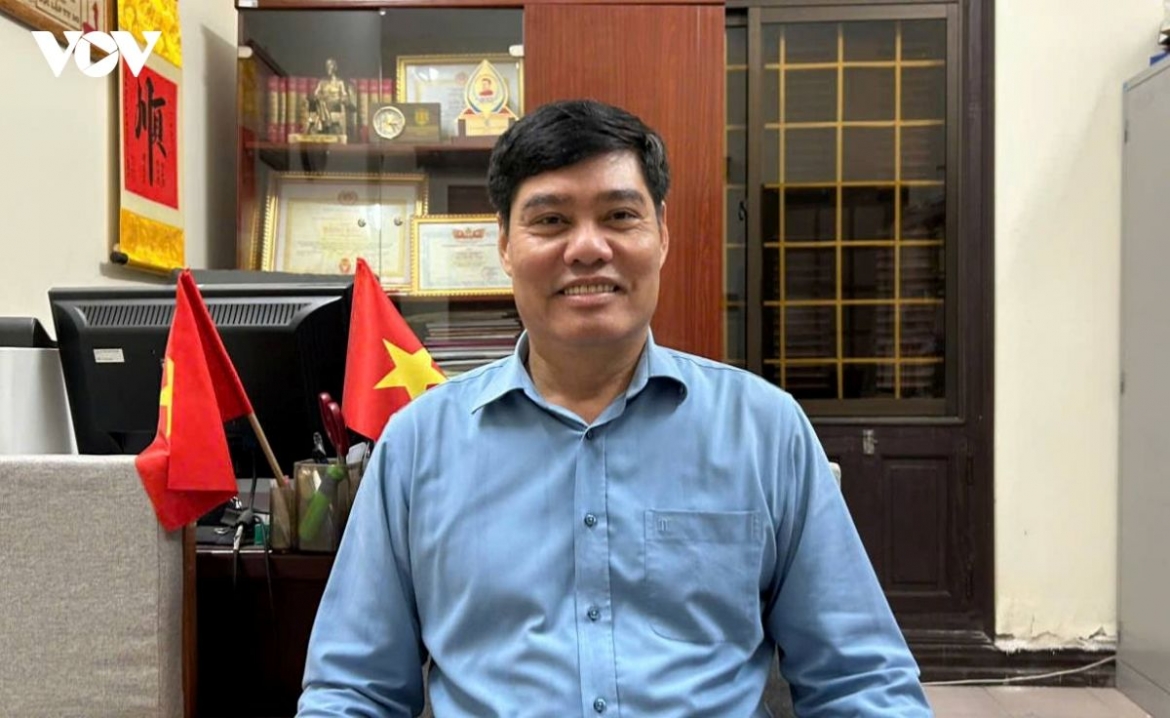
Assoc. Prof. Dr Le Van Cuong, deputy director of the Institute of Party Building under the Ho Chi Minh National Academy of Politics
Assoc. Prof. Dr Le Van Cuong, deputy director of the Institute of Party Building under the Ho Chi Minh National Academy of Politics, remarked that personnel work today must place greater emphasis on building a contingent of strategic-level officials. They are the “architects” who play a key role in shaping policies, providing direction, creating development and generating momentum for the country.
At the 14th National Party Congress, 200 members of the Party Central Committee, including 180 full members and 20 alternate members, were selected as officials in whom the Party, its members and the people have placed their trust and expectations to help generate new drivers and breakthroughs for national development.
Therefore, strategic-level officials must be given major and difficult tasks requiring comprehensive thinking, a broad perspective and a national vision. It is important to avoid a short-term, term-based mindset and a narrow approach confined to a particular locality, sector or region.
Alongside the strategic-level cadre contingent, Assoc. Prof. Dr Le Van Cuong hoped the 4th Plenum of the 14th Party Central Committee would give due attention to grassroots officials.
Under the two-tier local government model, many tasks previously handled at district level, together with some responsibilities delegated from the provincial level, have now been transferred to the commune level, the level of government closest to the people.
This places major demands on grassroots officials, requiring them to raise their capacity, thinking and sense of responsibility. According to him, they need to possess at least two important qualities.
First, they must have a broad and forward-looking vision and the ability to formulate and organise the implementation of development tasks on a wider scale. Second, despite taking on more responsibilities, grassroots officials must remain close to the people, listen to them and understand their voices and aspirations.
“Grassroots authorities are not only where the Party’s guidelines and the State’s policies are implemented, but also where their correctness and suitability are directly tested in people’s daily lives. Grassroots officials, with their advantage of being close to and understanding the people and directly witnessing changes in their lives, must be responsible for identifying issues, reflecting them and making timely recommendations so that the Party and State can continue to improve their guidelines and policies,” Assoc. Prof. Dr Le Van Cuong said.
This, he stressed, is a particularly important requirement for grassroots officials today that they must have the vision to drive development and stay close to the people so that policies can take root in everyday life and be tested through practice.
VOV.VN - The fourth plenum of the 14th Party Central Committee opened in Hanoi on October 5, with General Secretary of the Communist Party of Vietnam Central Committee and President To Lam outlining key issues for discussion at the five-day meeting.
VOV.VN - General Secretary of the Communist Party of Vietnam Central Committee and President To Lam has demanded the renewal of leadership methods, the enhancement of official quality, the addressing of root causes of bottlenecks, and the creation of momentum for acceleration and breakthroughs in 2027.
VOV.VN - The Politburo has said that the assessment and classification of collectives and individuals must shift from subjective assessment to substantive evaluation, based on data, criteria, results and verified work outputs.









.JPG&w=640&q=100)







Bình luận
Bình luận của bạn sẽ được xét duyệt trước khi đăng