

VOV.VN - A senior cultural scholar says Vietnam must move beyond preserving heritage to turning culture into a driver of innovation, economic growth and national soft power.
Vietnam's cultural industries are entering a new phase of development as recent policy directions place culture at the heart of the country's long-term growth strategy. Rather than treating culture solely as a sector requiring public investment, Vietnam is seeking to transform it into an engine of economic development, innovation and international influence.
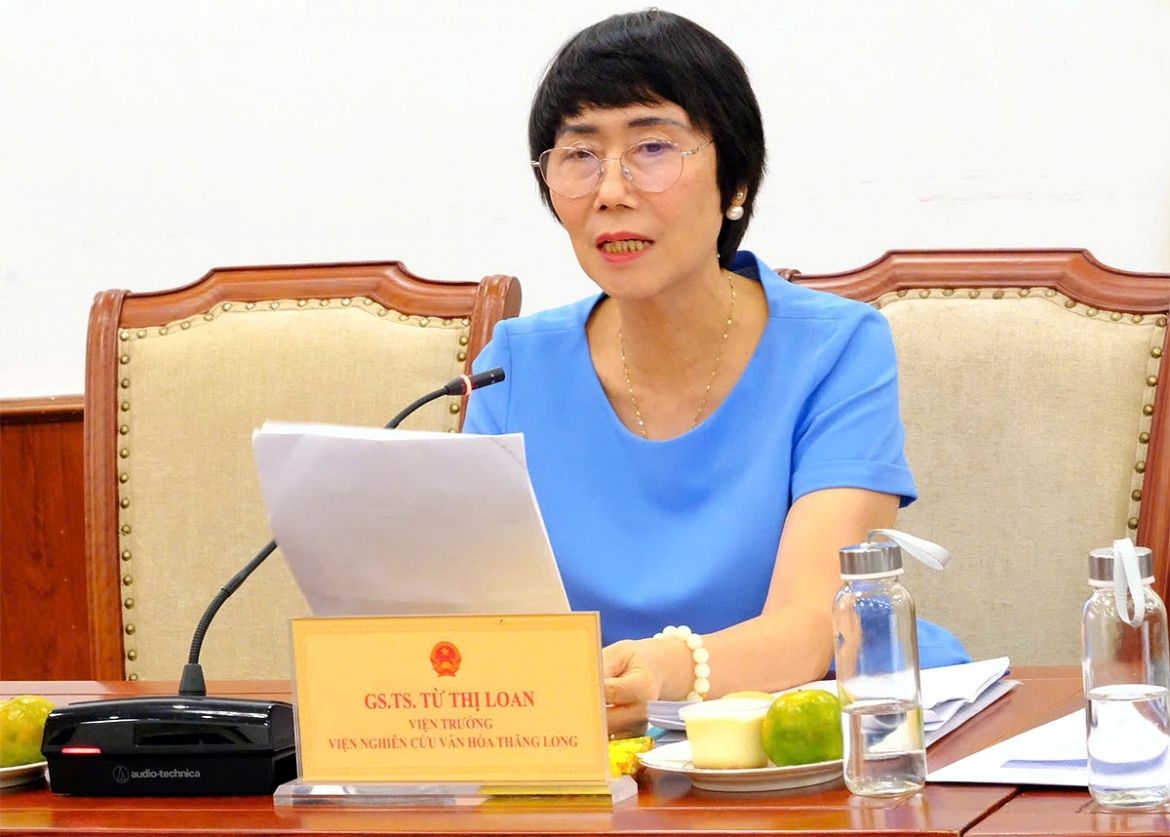
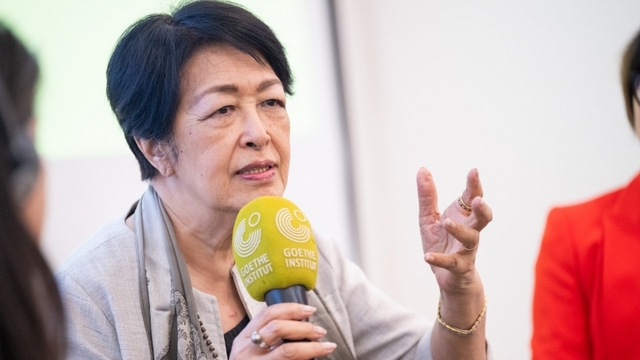
Prof. Dr. Tu Thi Loan, president of the Thang Long Institute for Cultural Studies, said the "four gaps" identified by Party General Secretary and State President To Lam, together with his proposed "three strategic transformations," represent far more than a diagnosis of existing challenges. Instead, they provide a roadmap for building a modern cultural ecosystem in which creativity, technology, institutions and markets reinforce one another to generate sustainable value.
According to Prof. Dr. Loan, Vietnam's cultural sector has entered a fundamentally different era as digital technologies and global online platforms reshape the creation, distribution and consumption of cultural content.
"The challenge today is no longer simply how to protect culture, but how to proactively shape Vietnam's cultural presence in the digital age," she said.
Rather than adopting a defensive approach, Vietnam should strengthen its capacity to create original cultural content, develop competitive digital platforms and expand the country's influence in global cultural spaces.
"Preserving cultural identity in the digital era does not mean building cultural walls," Prof. Loan said. "It means creating Vietnamese values that are attractive enough to compete, resonate and spread globally."
In her view, digital space should no longer be regarded merely as technological infrastructure but as a new cultural arena where ideas, identities and values are continuously created and contested.
This requires a fundamental shift from simply digitising existing heritage to developing entirely new cultural products designed specifically for digital audiences.
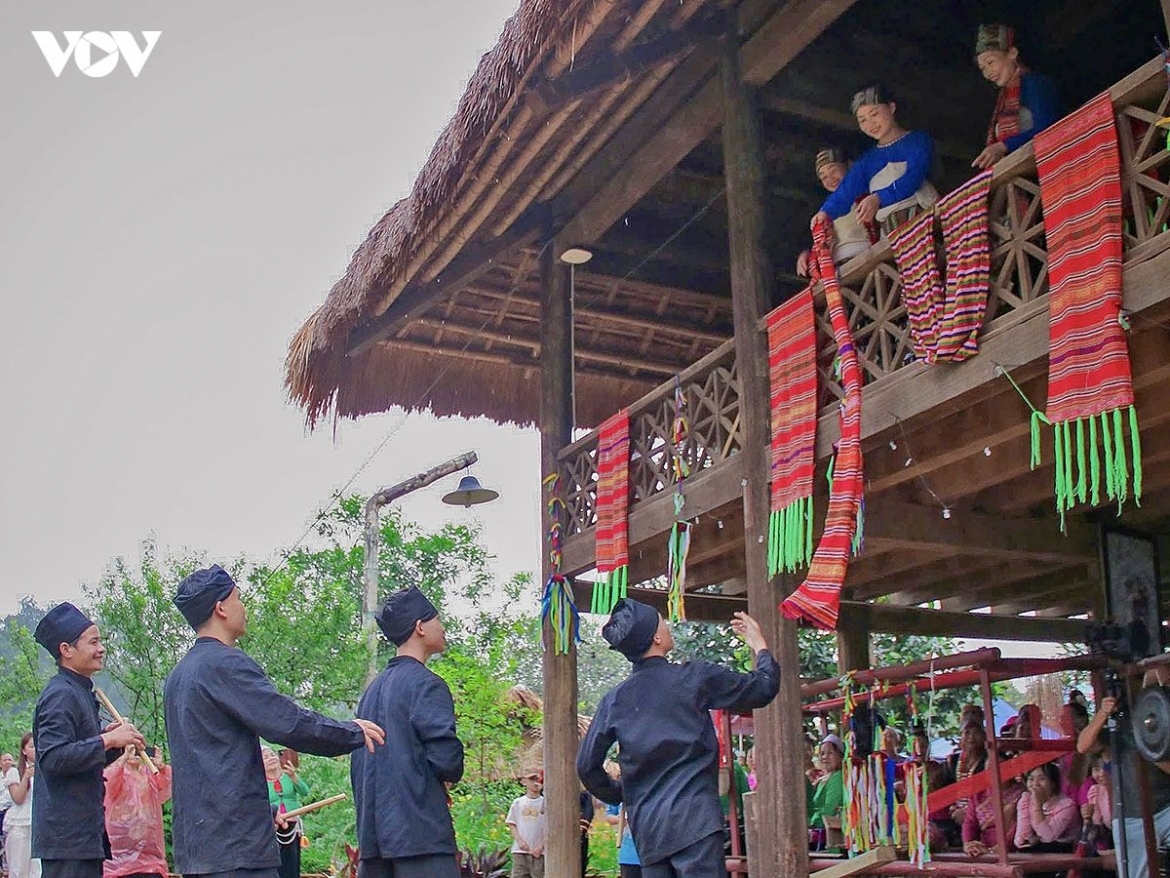
Historical heritage and traditional culture should become inspiration for films, music, games, animation, fashion, interactive media, virtual reality experiences and AI-powered cultural applications, she suggested.
"Cultural identity is truly preserved only when it becomes a source of new creativity rather than remaining frozen in its original form."
Prof. Dr. Loan believed Vietnam possesses abundant cultural heritage and creative potential. What remains missing, however, is a complete ecosystem capable of transforming cultural resources into economic value.
She described the process as a continuous value chain in which heritage generates data, data becomes knowledge, knowledge develops into intellectual property, and intellectual property is ultimately commercialised through cultural products and services.
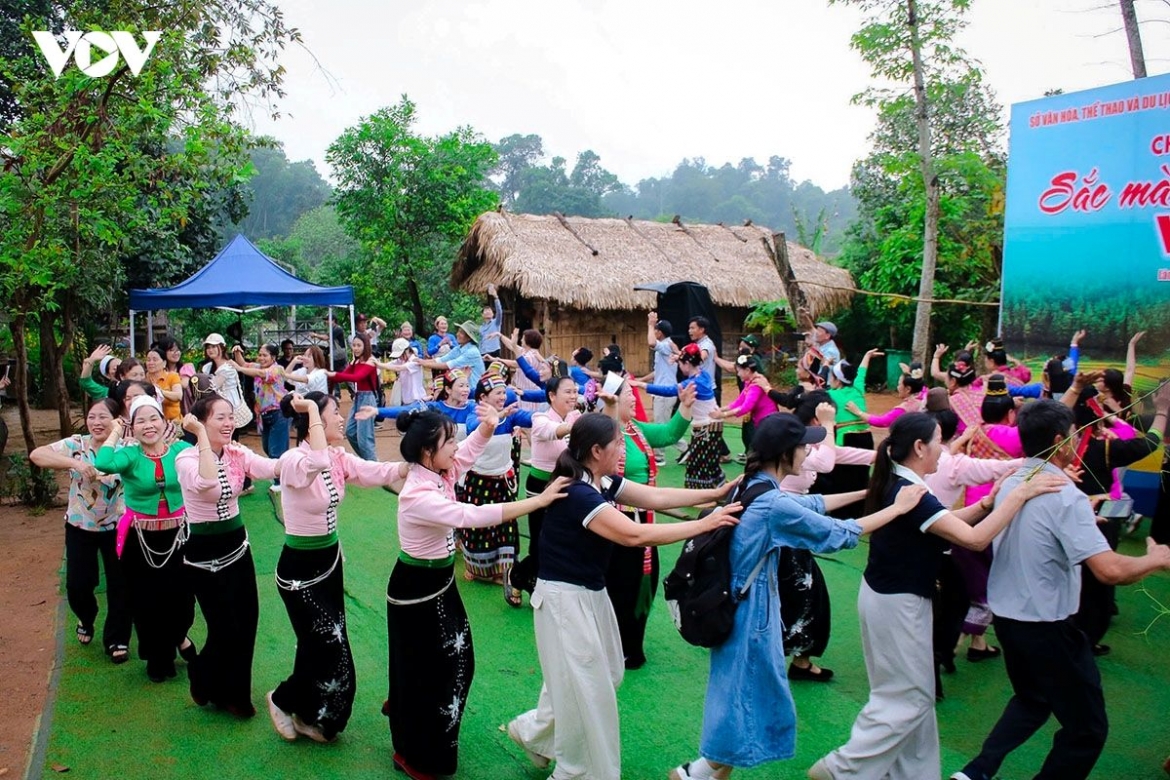
Many current digitisation projects are limited to documentation and archiving, while cultural databases are fragmented and poorly connected across sectors and localities.
Equally important, legal frameworks governing ownership, copyright, benefit-sharing and community rights remain incomplete, preventing cultural data from becoming commercially valuable assets.
"Digitisation should not be viewed as the final destination," Prof. Dr. Loan said. "It should become the starting point for creating entirely new value."
She called for the development of an integrated national cultural database supported by common standards, interoperability and comprehensive governance mechanisms balancing public interests, community ownership and creative rights.
Equally important, Vietnam needs more enterprises capable of combining culture with technology, design, business innovation and digital transformation. Only then can cultural data evolve into films, music, games, digital publishing, online education, immersive tourism experiences and AI-enabled cultural products.
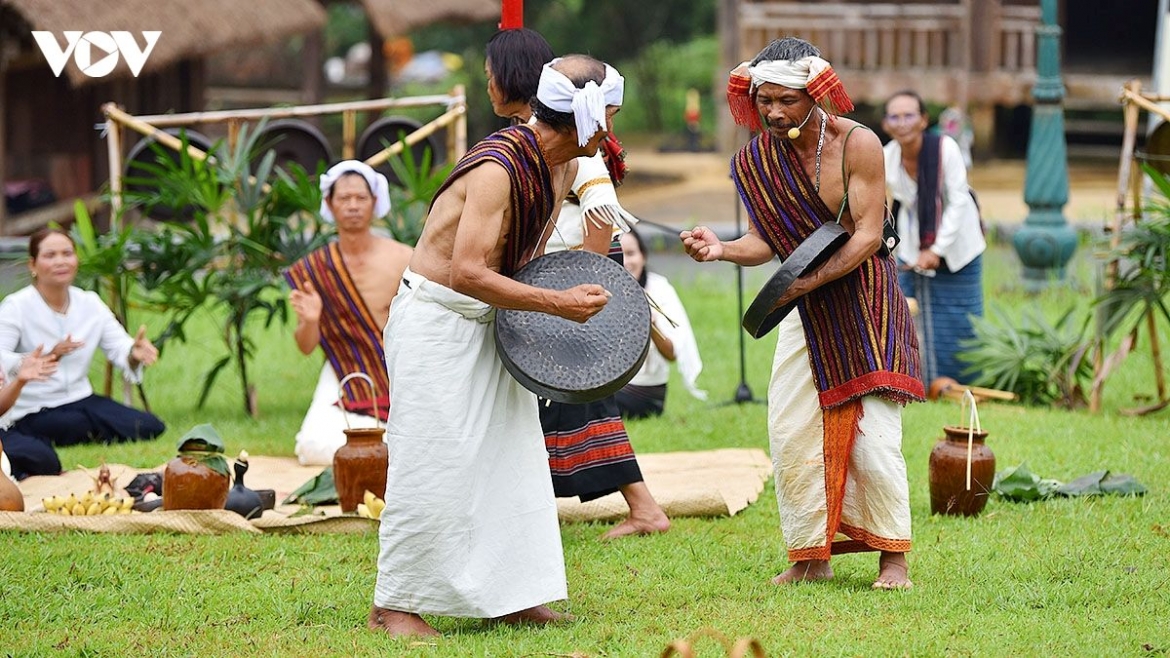
While digital transformation creates new opportunities, Prof. Dr. Loan argued that institutional reform will ultimately determine whether those opportunities can generate sustainable growth.
Vietnam has set ambitious targets of increasing cultural industries' contribution from roughly 4% of GDP today to 7% by 2030 and 9% by 2045. Achieving these objectives, she said, requires moving beyond fragmented sectoral management toward an integrated cultural industry ecosystem.
Currently, film, music, publishing, performing arts, advertising, fashion, design and gaming are governed by different legal frameworks and policy mechanisms, limiting coordinated development. Instead, cultural industries should be managed as an interconnected ecosystem where culture, technology, finance, education and markets jointly create value.
Financial mechanisms also require substantial improvement. Unlike traditional manufacturing, the most valuable assets of cultural enterprises are often ideas, copyrights and other intangible assets. Vietnam therefore needs dedicated cultural investment funds, stronger public-private partnerships, preferential tax and financing policies, and better support for production, distribution and international promotion.
Intellectual property protection, she added, must become one of the fundamental pillars of cultural industry development.
Only when creative assets receive effective legal protection can they generate investment, licensing opportunities and long-term business growth.
"The government does not need to replace the market," Prof. Dr. Loan said. "It needs to build institutions, invest in infrastructure, reduce early-stage risks and create an enabling environment where creativity can flourish."
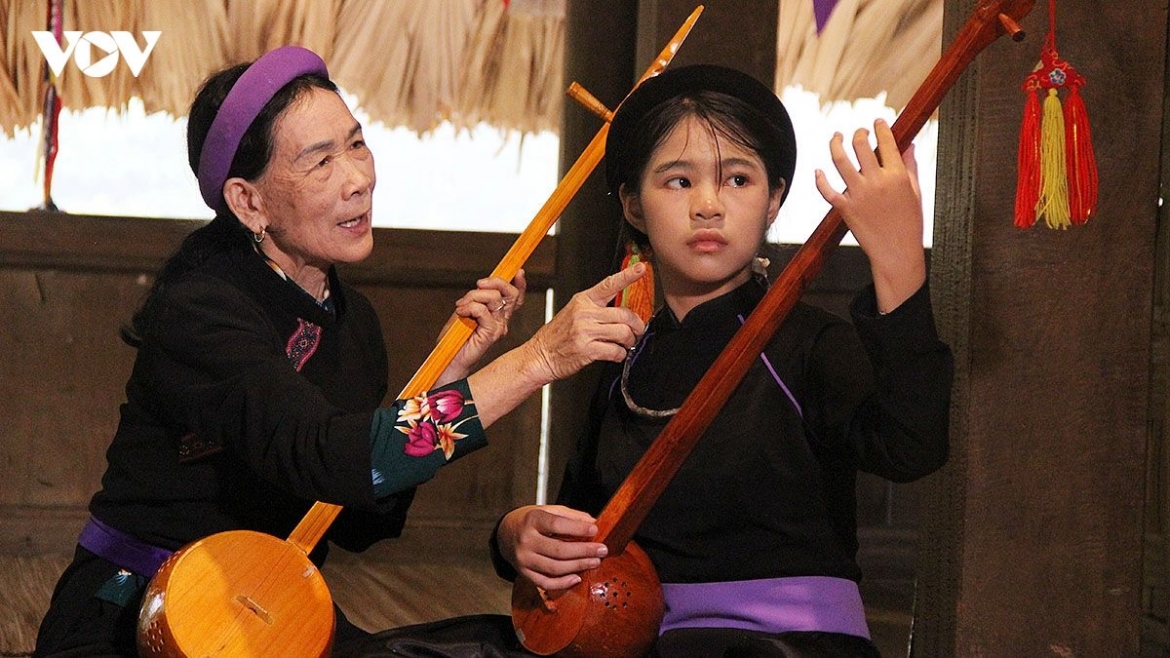
Ultimately, Prof. Dr. Loan believed Vietnam's greatest breakthrough must come from changing its development mindset. Instead of viewing culture primarily as a beneficiary of public spending, policymakers should recognise it as an investment capable of generating economic returns, national competitiveness and soft power.
Such a transformation would require cultural considerations to become an integral part of policymaking across economic planning, education, science and technology, urban development and foreign affairs.
Success should therefore be measured not only by GDP growth, but also by the country's creative capacity, social cohesion, cultural confidence and ability to generate internationally competitive cultural products.
"The greatest transformation is not simply preserving what already exists," she concluded. "It is turning cultural values into development resources—not merely helping culture adapt to change, but enabling culture to lead change."
As Vietnam works to address the structural gaps identified by Party General Secretary and State President To Lam and implement the proposed strategic transformations, the country has an opportunity to reposition culture from a supporting sector into one of its key engines of sustainable development.
If successfully implemented, cultural industries will contribute not only to economic growth but also to strengthening Vietnam's international competitiveness, expanding its global cultural influence and enhancing the country's soft power in the digital era.
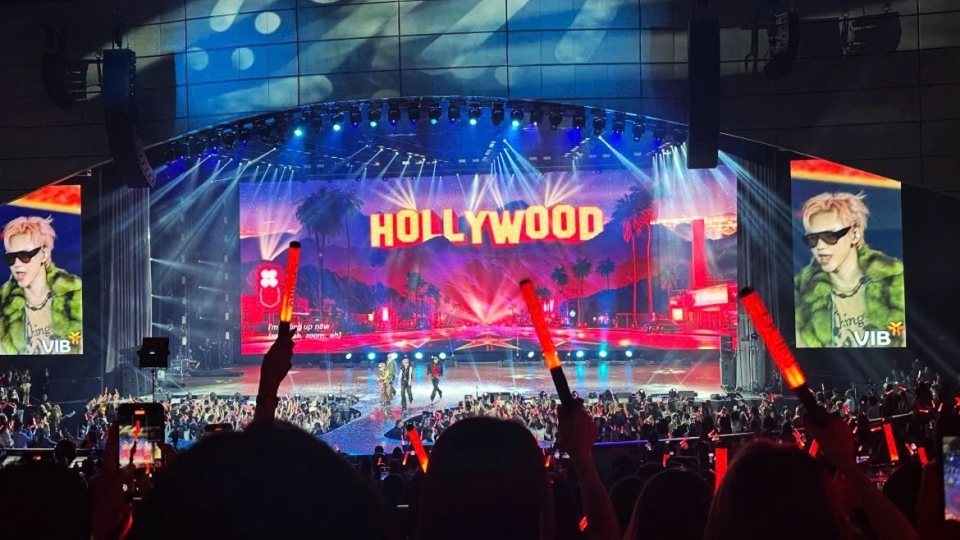
VOV.VN - After years of identifying cultural industries as a new engine of economic growth, Vietnam is now shifting its focus from recognising the sector’s potential to unlocking its commercial value on the global stage.

VOV.VN - A delegation of Hanoi has held meetings with UNESCO representatives, international organisations and heritage experts to strengthen cooperation in preserving and promoting cultural heritage on the sidelines of the ongoing 48th session of the World Heritage Committee in Busan, the Republic of Korea.

VOV.VN - Vietnam has approved a new external cultural strategy that seeks to strengthen the country's soft power, expand its global cultural presence and position Vietnam as one of the region's leading cultural and creative hubs by 2045.

VOV.VN - Through live performances and hands-on activities, weekend performances by Hanoi's West Lake are making centuries-old art forms such as ca trù (ceremonial singing) and water puppetry more accessible to a wider audience.




.JPG&w=640&q=100)





Bình luận
Bình luận của bạn sẽ được xét duyệt trước khi đăng