Vietnam tourism bookings surge 72% as travelers seek more experiences
VOV.VN - Tourism bookings in Vietnam on Klook surged 72% in the first half of 2026, putting the country among the platform’s fastest-growing markets in Asia-Pacific as travelers increasingly look beyond destinations for more tailored experiences.
According to Klook’s Corporate Development Vice President CS Soong, the strong performance reflects a broader shift toward intra-regional travel in Asia-Pacific, with travelers opting for destinations closer to home while continuing to seek a wider range of experiences.
Around 88% of travelers surveyed by Klook said they planned to maintain or increase their travel frequency over the coming year. Against a backdrop of rising travel costs and geopolitical uncertainties, demand for destinations within the Asia-Pacific region is continuing to grow.
Vietnam is well positioned to benefit from this trend, given its proximity to major source markets including China, the Republic of Korea, Taiwan (China), Southeast Asia and India, as well as its competitive balance between service quality and travel costs.
Phu Quoc emerges as an experience-rich destination
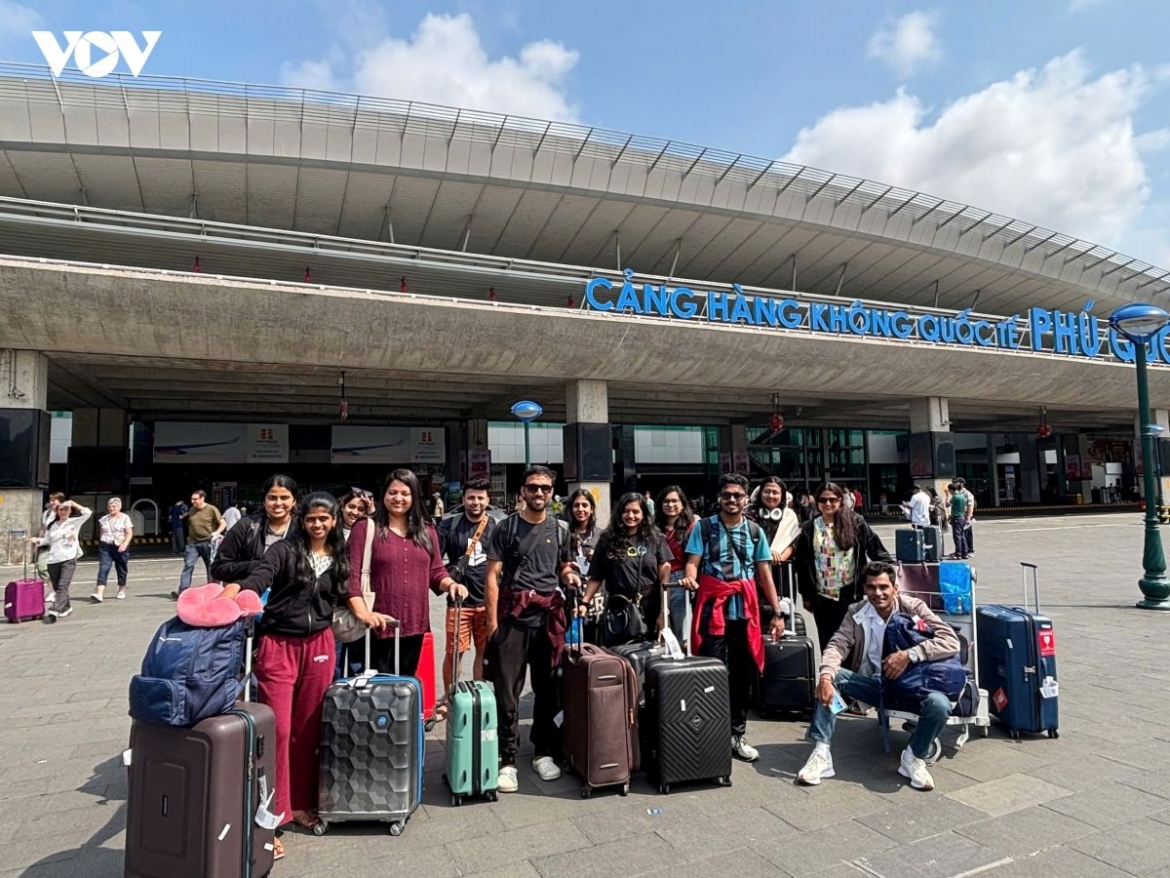
An increasing number of Indian travelers are choosing Phu Quoc Island, southern Vietnam, adding to the island’s growing international visitor base
Alongside Hanoi and Ho Chi Minh City, booking data indicates growing interest in other destinations across Vietnam. Phu Quoc Island in the south has emerged as one of the notable destinations, supported by the continued development of hotels, resorts, entertainment facilities and new travel experiences.
Improved infrastructure and an expanding tourism ecosystem are making the island more accessible to different groups of travelers, from families and leisure tourists to younger visitors looking for new experiences.
CS Soong told thanhnien.vn that different traveler groups have different priorities. Young families may favour resorts and entertainment complexes in Phu Quoc, while younger and independent travelers may be more interested in Sapa and experiences centred on nature, adventure and local culture.
This is creating a need for tourism businesses to go beyond simply expanding accommodation capacity or adding attractions and instead develop products tailored to different traveler segments, ranging from leisure and entertainment to cultural, nature-based and culinary experiences.
Klook suggested destinations and tourism businesses in Vietnam should continue developing products rooted in local culture, heritage, nature and identity, rather than relying primarily on traditional tourism offerings.
From destinations to experiences
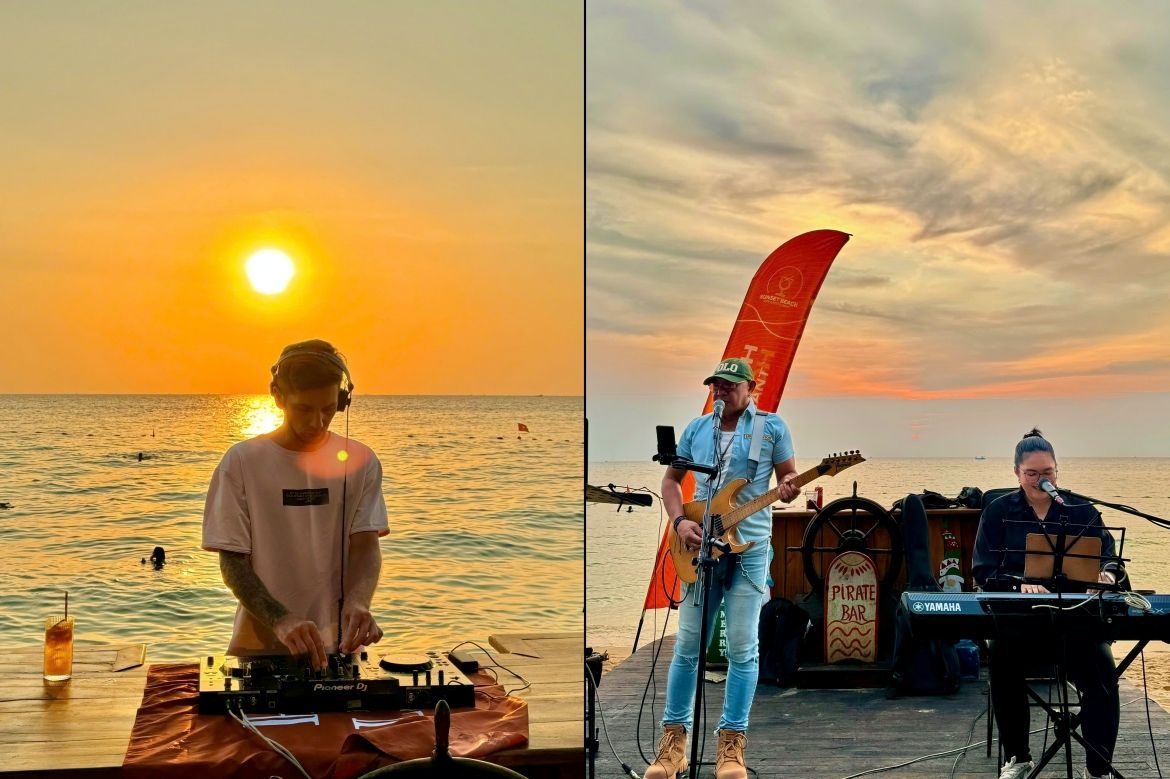
Live music and cultural experiences by the sea add to Phu Quoc’s growing range of attractions for visitors
Another notable change is the behaviour of younger travelers. Millennials and Gen Z make up a major share of Klook users, ranging from young families to independent travelers in their 20s and 30s.
This is making demand increasingly segmented. Travelers visiting the same destination may look for very different experiences depending on their age, spending power and purpose of travel.
For Vietnam, this creates an opportunity to move from selling destinations to selling specific experiences - whether nature-based adventures, cultural activities, family-oriented attractions or short trips designed for transit passengers and repeat visitors.
Such an approach could also give emerging destinations more opportunities to compete. As travelers increasingly search for distinctive experiences rather than simply famous landmarks, more localities can reach visitor segments that may previously have been difficult to attract.
Content creators bring destinations to life
Klook is also placing greater emphasis on having content creators experience destinations firsthand, rather than simply providing them with ready-made images and videos for promotional purposes.
The platform has a network of around 30,000 content creators across nearly 90 countries. During Vietnam’s National Day holiday period this year, hundreds of creators from different countries visited destinations including Da Nang, Hoi An and Phu Quoc.
According to Klook’s Global Marketing Vice President Marcus Yong, the same destination can generate very different stories depending on who experiences it.
A family with young children may focus on convenience, accommodation and child-friendly activities, while independent travelers may pay more attention to scenery, costs and the flexibility to build their own itineraries. This makes firsthand experience increasingly valuable in destination marketing.
As AI makes it easier to produce images, videos and other promotional content at scale, Klook believes real-world experiences are difficult to replace. Content created by people who have actually visited a destination and tell stories from their own perspectives can offer greater authenticity and reach different audiences.
For Vietnam, this presents another avenue for international promotion. Rather than relying on a single standardised message about a destination, multiple creators can tell different stories about the same place, reaching different traveler communities and interests.
Turning growth into deeper engagement
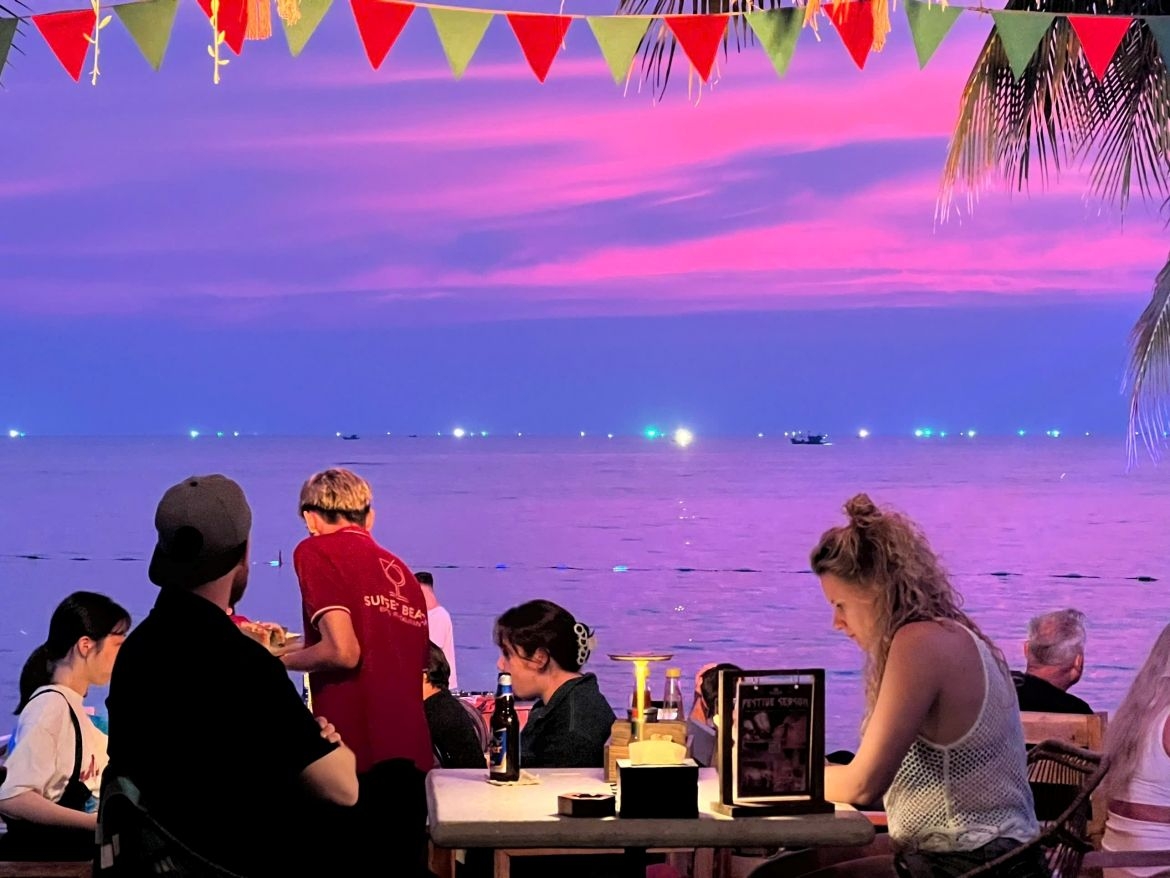
International visitors enjoy the sunset at Sunset Beach in Phu Quoc, one of the island’s popular leisure experiences
The 72% increase in bookings in the first half of 2026 points to Vietnam’s growing appeal on digital travel platforms. But the more significant shift may be in what travelers are looking for once they choose a destination.
The traditional model of promoting a destination through a list of landmarks is increasingly being supplemented by more specific experiences that what visitors can do, taste, explore, learn and share.
For tourism businesses, this means understanding individual traveler segments and turning local advantages into bookable experiences that can be discovered online.
For destinations such as Phu Quoc, the opportunity lies not only in attracting more visitors, but also in creating a broader ecosystem of experiences that encourages travelers to stay longer, spend more and discover different aspects of the destination.
Vietnam’s tourism opportunity therefore extends beyond attracting more visitors. As travelers increasingly seek experiences tailored to their interests, the ability to turn culture, nature and local identity into distinctive, bookable products could become an important source of future growth.
The 72% rise in Klook bookings suggests that demand is already moving in that direction, from simply asking where to go to deciding what they want to experience once they get there.
VOV.VN - The Phu Quoc Special Zone has completed three key power projects with total investment of around VND2.165 trillion, raising the island’s power supply capacity to 500 MVA and strengthening its infrastructure ahead of the 2027 APEC Economic Leaders’ Week.
VOV.VN - Bãi Sao (Starfish) Beach on Phu Quoc Island, southern Vietnam, has been ranked 12th among the world’s 50 most beautiful beaches on a 2026 list compiled by global travel website Big 7 Travel.
VOV.VN- Building on a strong recovery in Russian tourist arrivals, travel operators will expand flight connections between Russia and Vietnam for the 2026-2027 winter season, with Nha Trang and Phu Quoc serving as key destinations.
VOV.VN - Russian airline Aeroflot is set to launch a twice-weekly scheduled service between Moscow and Phu Quoc from October 15, using wide-body aircraft, while charter flights from Russia to the island are expected to resume in late September, several weeks earlier than last year.












.JPG&w=640&q=100)









Bình luận
Bình luận của bạn sẽ được xét duyệt trước khi đăng