
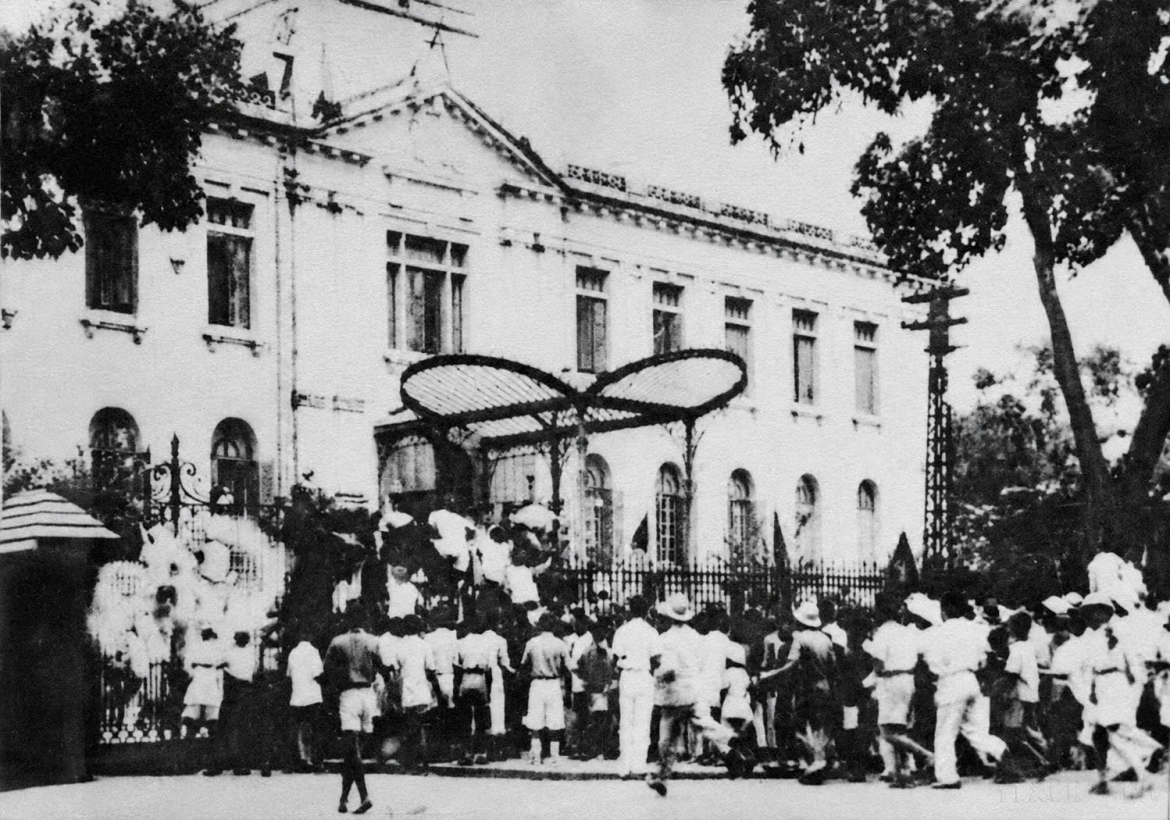

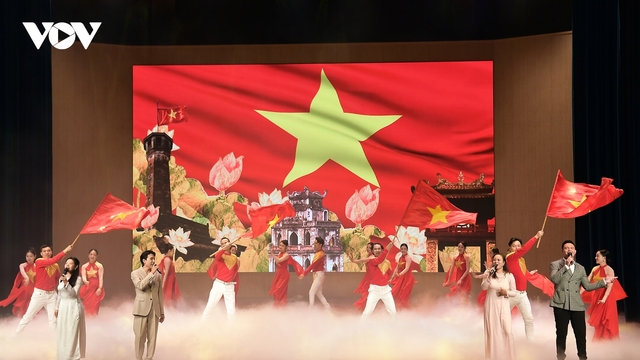
VOV.VN - Eighty-one years after the August Revolution, its spirit of seizing historic opportunities, mobilising national strength and pursuing transformation continues to resonate in Vietnam’s new era of development, now expressed through institutional reform, innovation, greater productivity and the unleashing of the country’s creative potential.
The August Revolution of 1945 was a defining turning point in Vietnam’s history, opening an era of national independence and the pursuit of socialism. Under the leadership of the Indochinese Communist Party (now Communist Party of Vietnam) and President Ho Chi Minh, the strength of the entire nation was mobilised, a historic opportunity was recognised and seized, and a decisive victory was achieved that shaped the country’s destiny.
Yet the enduring significance of the August Revolution lies not only in the victory of 81 years ago. Its deeper legacy is found in the lessons of seizing opportunities, harnessing the strength of national unity, preserving independence and self-reliance, and having the courage to act in the national interest.
Historian Duong Trung Quoc said one of the key factors behind the success of the August Revolution was the ability to recognise and seize the historic opportunity. When that moment arrived, Vietnam acted decisively, relying primarily on its own strength, with the power of national unity at its core.
That spirit continued to shape the country’s subsequent journey. From the struggle for independence and national reunification to the Đổi mới (Renewal) process, Vietnam repeatedly faced difficult circumstances that demanded adaptation and change. Each advance required the ability to assess circumstances correctly, mobilise resources and choose an appropriate course of action.
Four decades into Đổi mới, Vietnam has undergone profound socio-economic transformation, integrated more deeply into the world and steadily enhanced its international stature and reputation. These achievements demonstrate that the nation’s determination to change and its aspiration for development did not end with historic victories. Rather, they became part of an ongoing national journey.
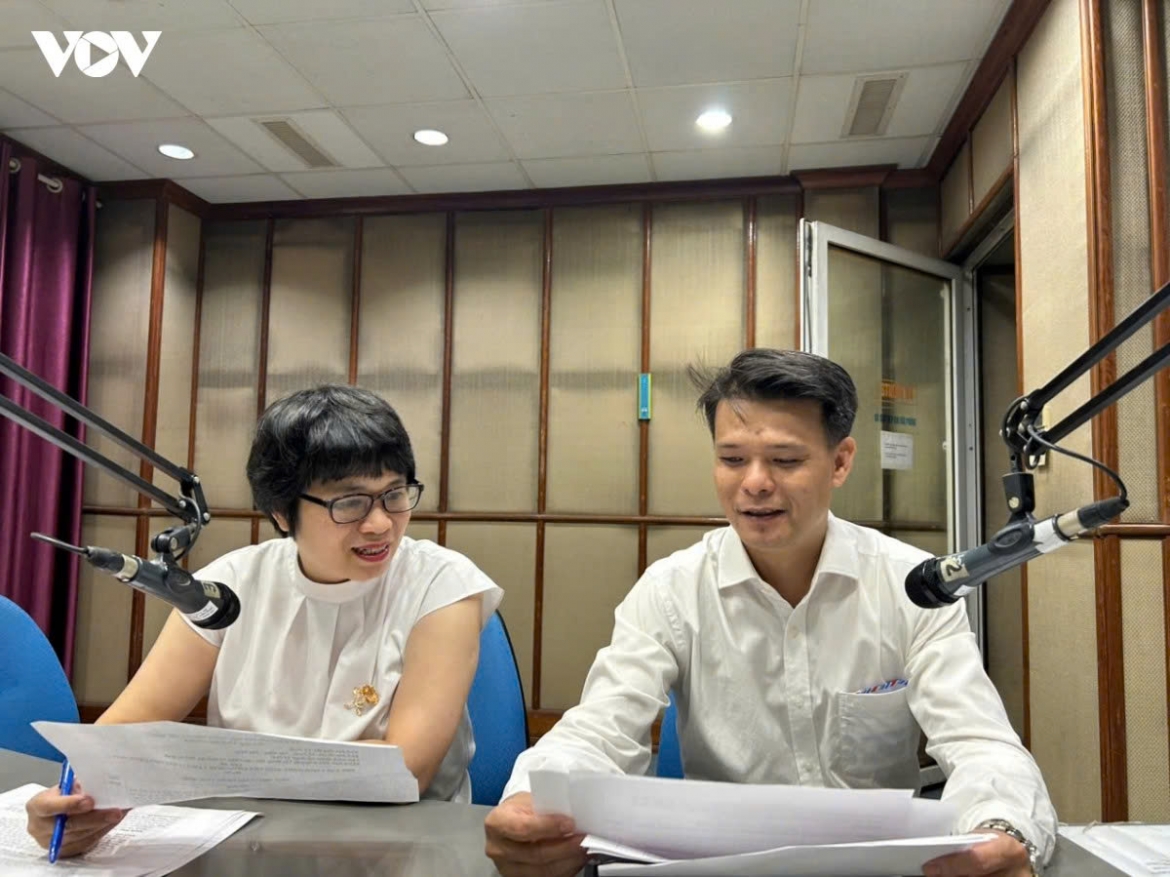
Today, the challenge is no longer to seize power, but to build the capacity to develop. According to Dr. Nguyen Van Dang of the Ho Chi Minh National Academy of Politics, the enduring resonance of the August Revolution lies in its determination to act in order to change the country and create a better future.
That spirit is reflected today in sweeping changes to the organisation of the political and administrative system, the restructuring of administrative units and efforts to reform governance to meet the demands of a new stage of development.
Seen from this perspective, the reforms now under way are not simply about restructuring institutions or changing administrative procedures. At a deeper level, they are about liberating resources constrained by outdated thinking, old mechanisms and bottlenecks in implementation, thereby creating greater space for development.
If the August Revolution mobilised millions of Vietnamese people to win independence, today’s challenge is to unleash the creative potential of millions of people in education, research, production, business and technological innovation.
This imperative is becoming increasingly clear as Vietnam enters a new phase of development. Science and technology, innovation, digital transformation, the quality of human resources and national competitiveness are emerging as decisive factors in determining the country’s position.
The year 2026 marks the first year of implementing the Resolution of the 14th National Party Congress and an important period for laying the foundations to achieve the goals for 2030 and the vision through 2045. It is also a time when Vietnam must move decisively from aspiration to the capacity to deliver measurable results.
The lesson of the August Revolution, therefore, is not simply to recognise an opportunity, but to translate opportunity into action and action into results. In today’s context, that means turning policies and Party guidelines into workable solutions, translating policies into implementation, converting resources into productivity, and transforming the aspiration for development into tangible improvements in people’s lives.
Against this backdrop, the spirit of the August Revolution can be understood in a new light, with a renewed emphasis on unleashing human creativity and unlocking resources for development.
Dr. Nguyen Van Dang said the revolutionary spirit today is reflected in the determination to pursue far-reaching changes across the system, including streamlining organisations, restructuring administrative units and renewing national governance.
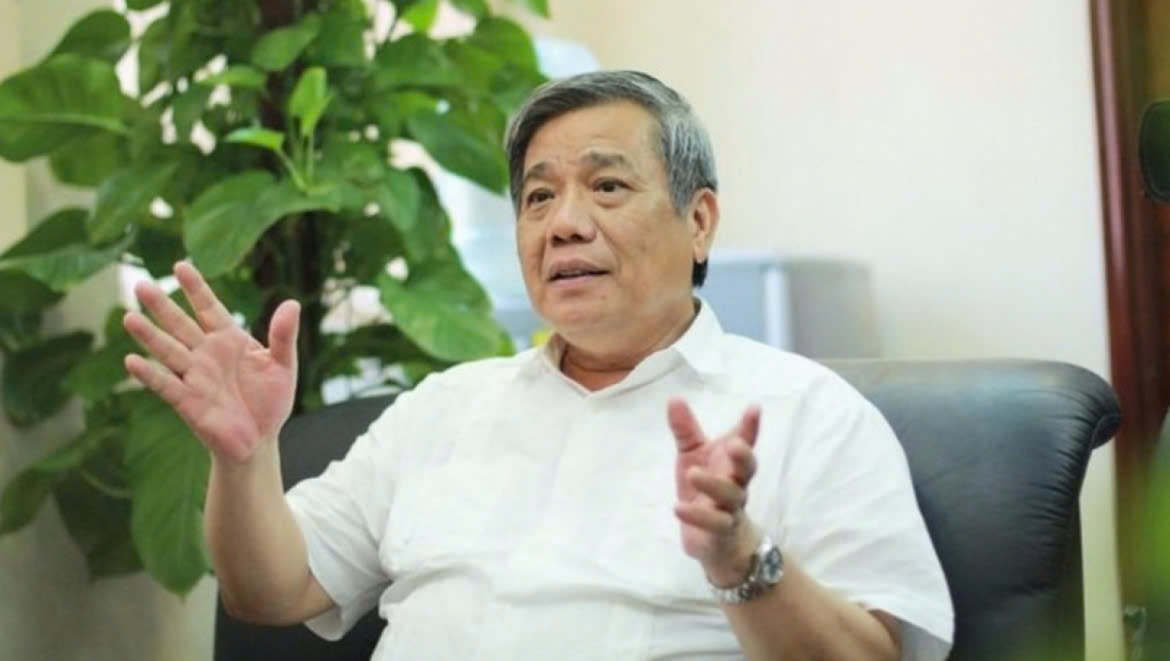
Professor and Dr. Vu Minh Giang, former vice president of Vietnam National University, Hanoi, emphasised that achieving Vietnam’s development goals in the years ahead will require the country to sustain high growth, remain committed to the Đổi mới path and nurture the aspiration to build a strong and prosperous nation.
That requires a spirit of thinking boldly, acting boldly, embracing change and pushing beyond self-imposed limits.
Party members and officials must take the lead in renewing their thinking and strengthening implementation capacity. State agencies must continue reforming to create a more enabling environment for people and businesses, while society as a whole should be encouraged to innovate and contribute to national development.
If the strength of the nation was once mobilised to create a historic turning point in 1945, today that same strength must be translated into productivity, technology, knowledge, innovation and national competitiveness.
The goal of building a strong and prosperous Vietnam by the middle of the 21st century will therefore depend not only on the resources the country possesses today, but also on its ability to create new sources of strength.
Eighty-one years after the historic autumn of 1945, the spirit of the August Revolution can still serve as a source of momentum for the journey ahead: from seizing power to shaping development, from national liberation to unleashing human creativity, and from winning independence to building a strong and prosperous Vietnam.
That is how the spirit of the autumn of 1945 can continue to be carried forward in Vietnam’s new era.
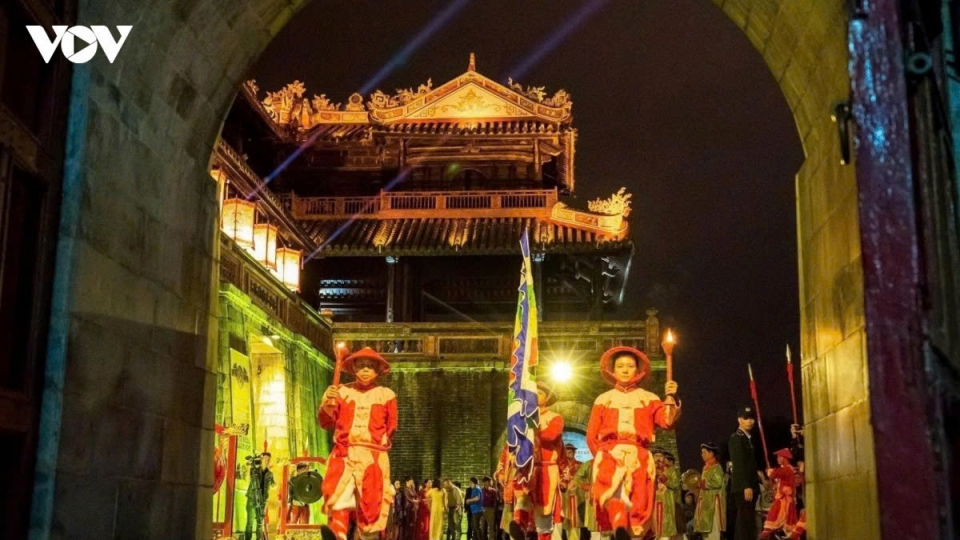
VOV.VN - Hue is rolling out a series of cultural and tourism activities and offering free admission at major heritage sites to attract visitors during the 81st anniversary of Vietnam’s August Revolution (August 19) and National Day (September 2).
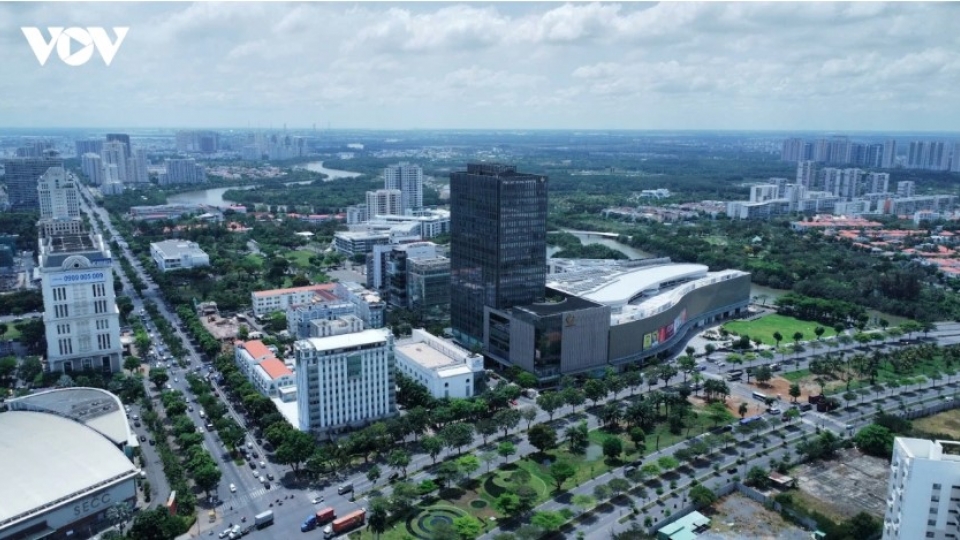
VOV.VN - The state and private economic sectors are not opposing forces, but complementary pillars within a unified development ecosystem.
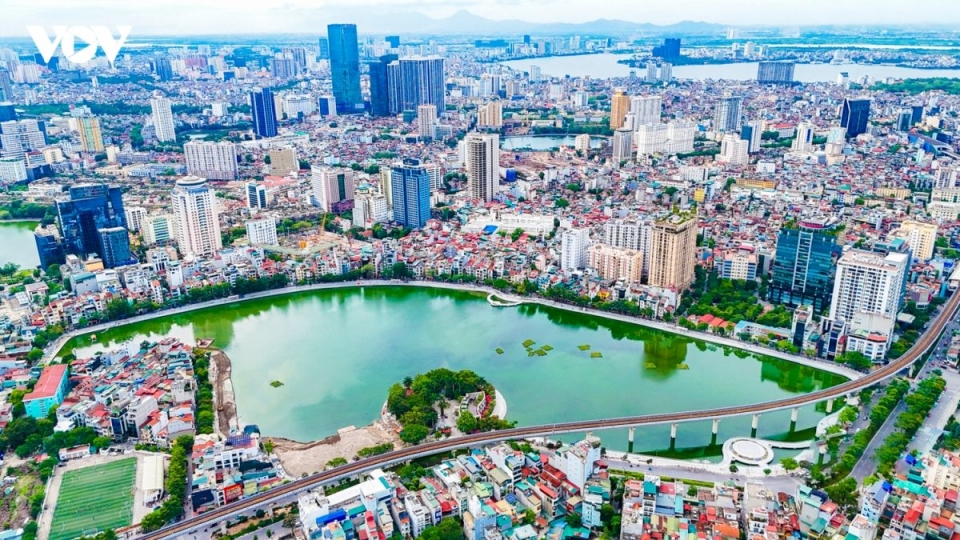
VOV.VN - Vietnam is positioning green growth as a key driver of sustainable development, competitiveness and its goal of becoming a high-income economy by 2045.

VOV.VN - Vietnam sees a major opportunity as artificial intelligence (AI), robotics, and smart manufacturing develop alongside one another. If the country makes good use of this period, it can fully participate in global technology value chains.

VOV.VN - Building on President Ho Chi Minh's vision of human rights, the Communist Party of Vietnam has progressively developed a people-centred approach that views human beings as the driving force, the primary actor and the ultimate goal of national development.

VOV.VN - Vietnam's 14th National Party Congress has for the first time designated diplomacy and international integration as a core, long-term responsibility of the entire Party, people and armed forces, marking a significant evolution in the Party's foreign policy thinking, Foreign Minister Le Hoai Trung has said.



.JPG&w=640&q=100)




Bình luận
Bình luận của bạn sẽ được xét duyệt trước khi đăng